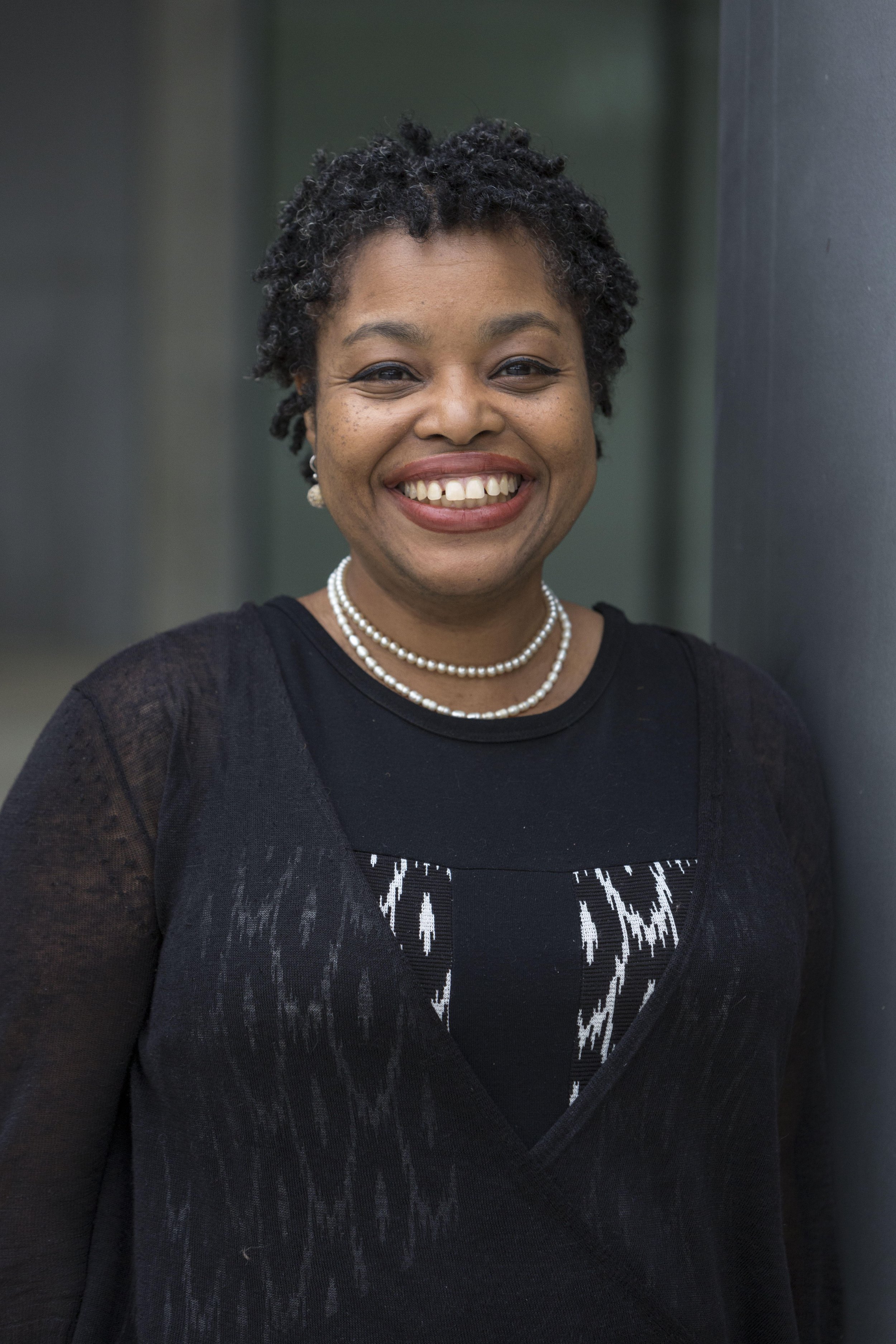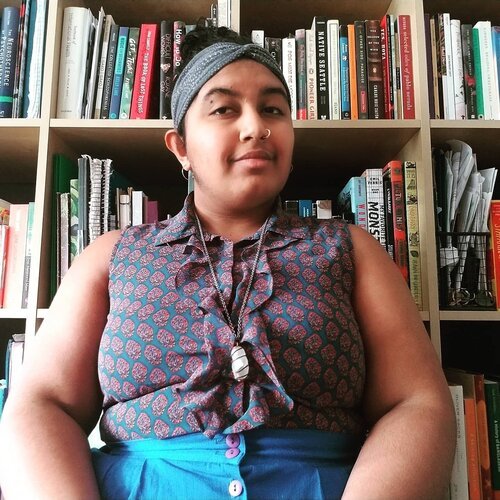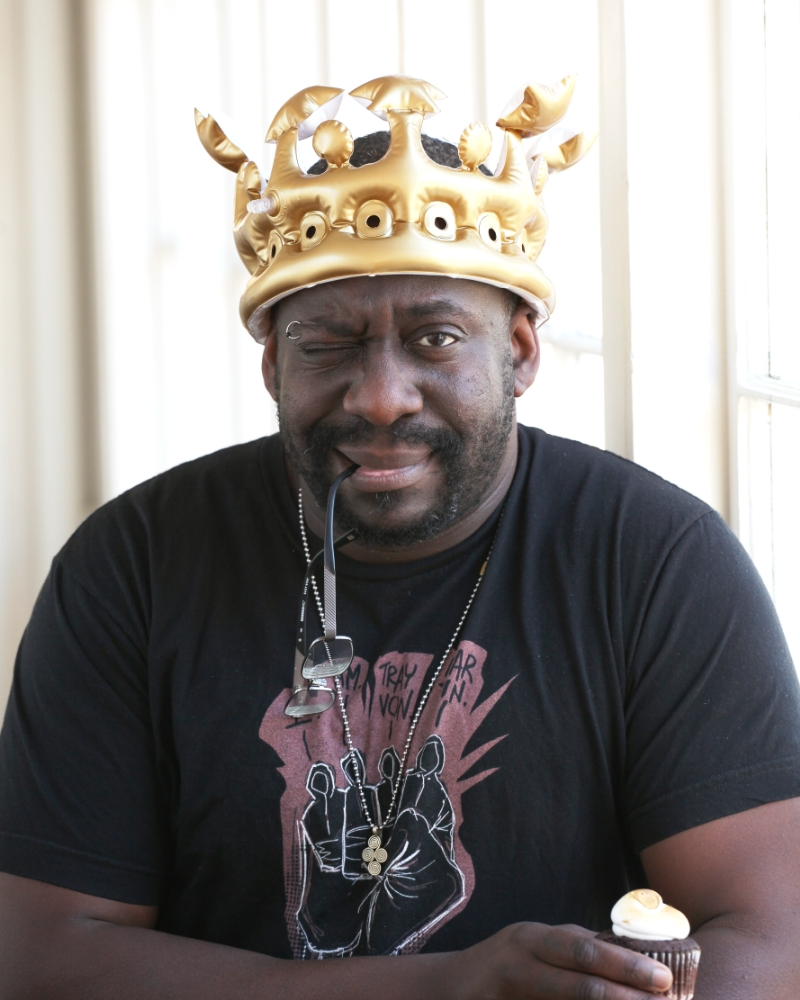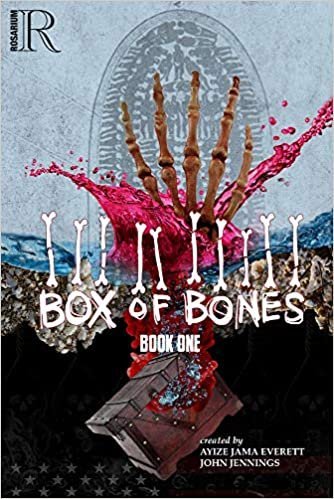
HAPPY HOLIDAYS FROM MCWC!

This holiday season, we want to make sure you know how much we appreciate you. Thank you for being a part of our community!
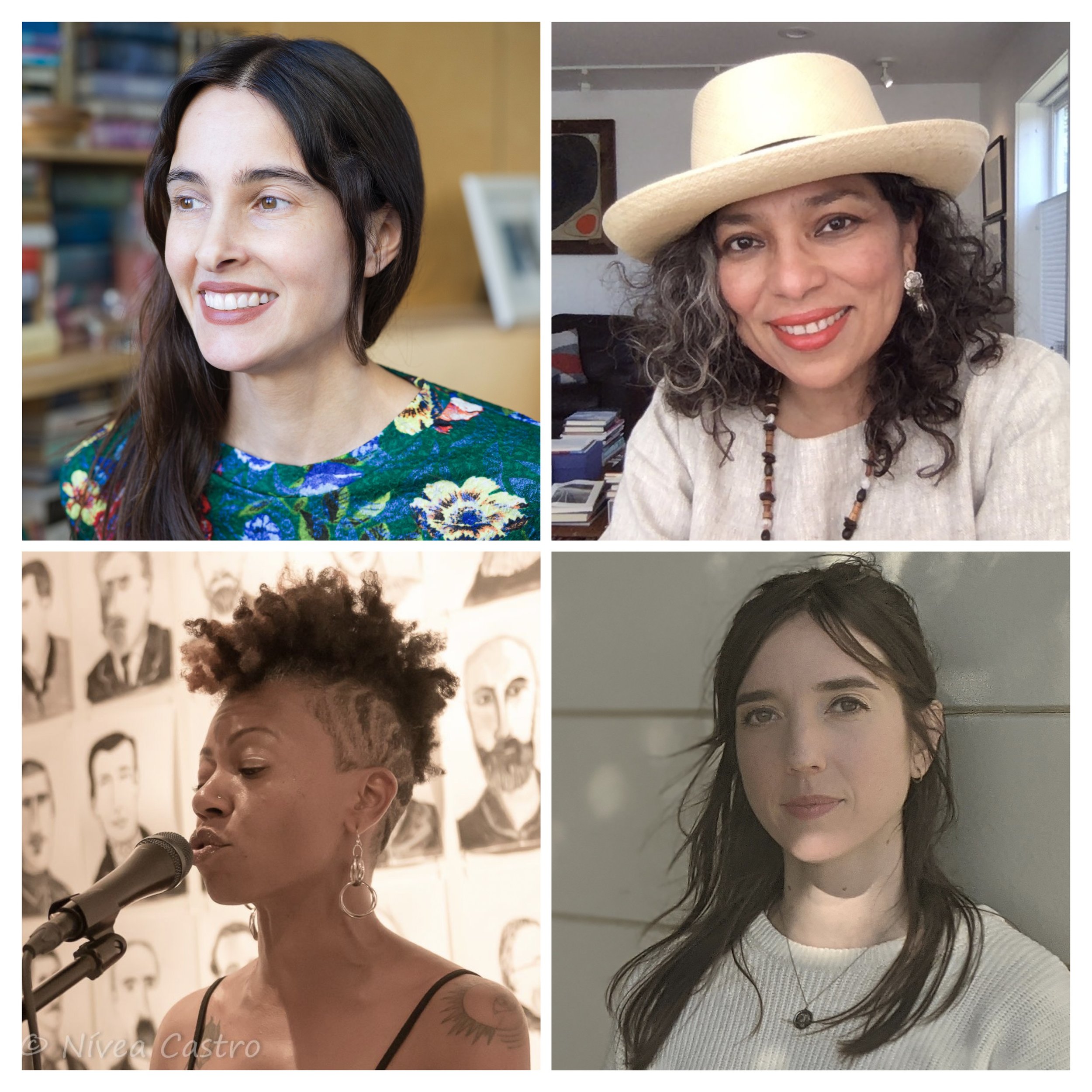
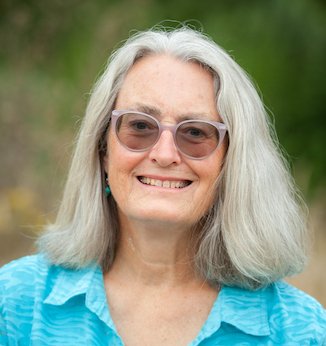
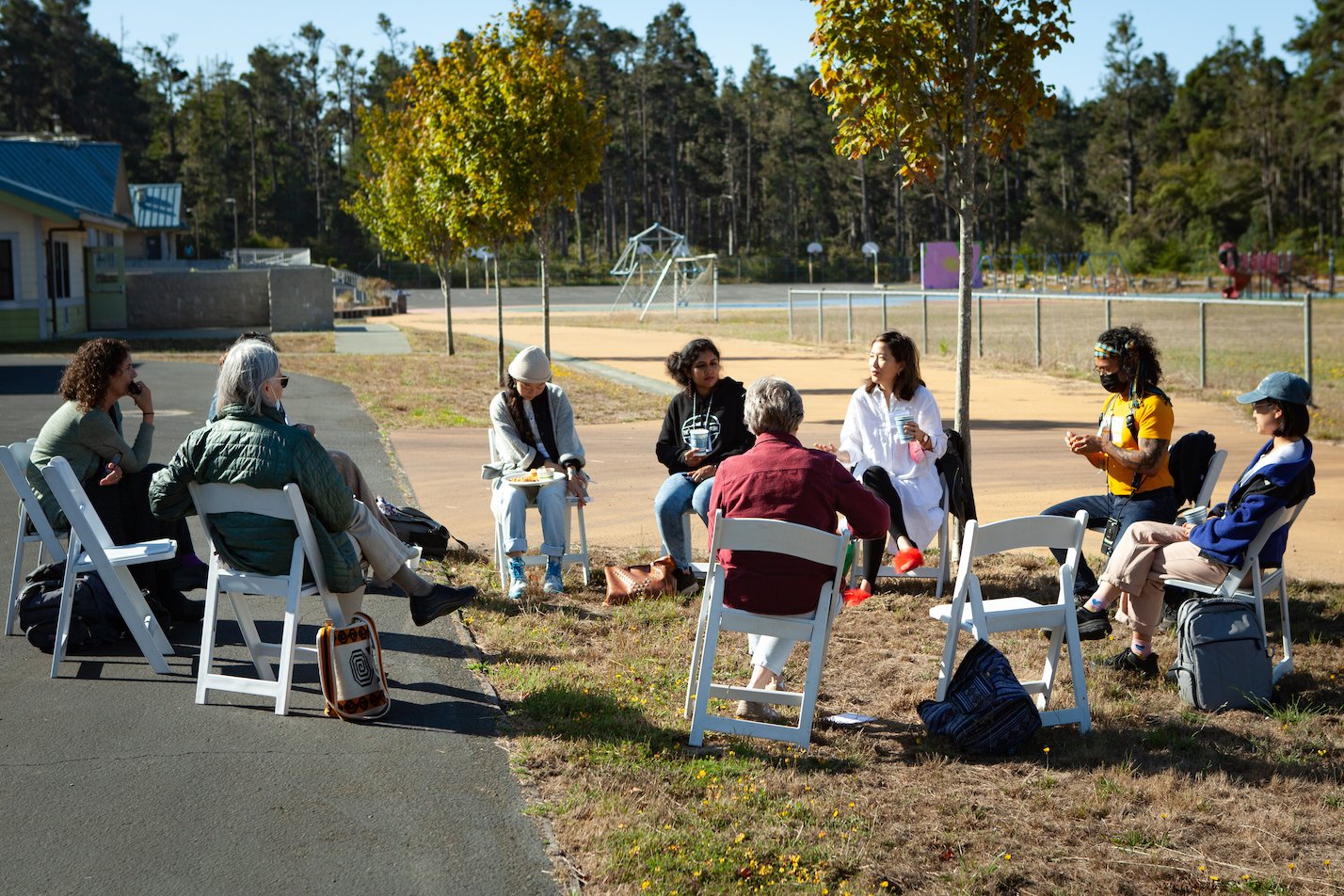
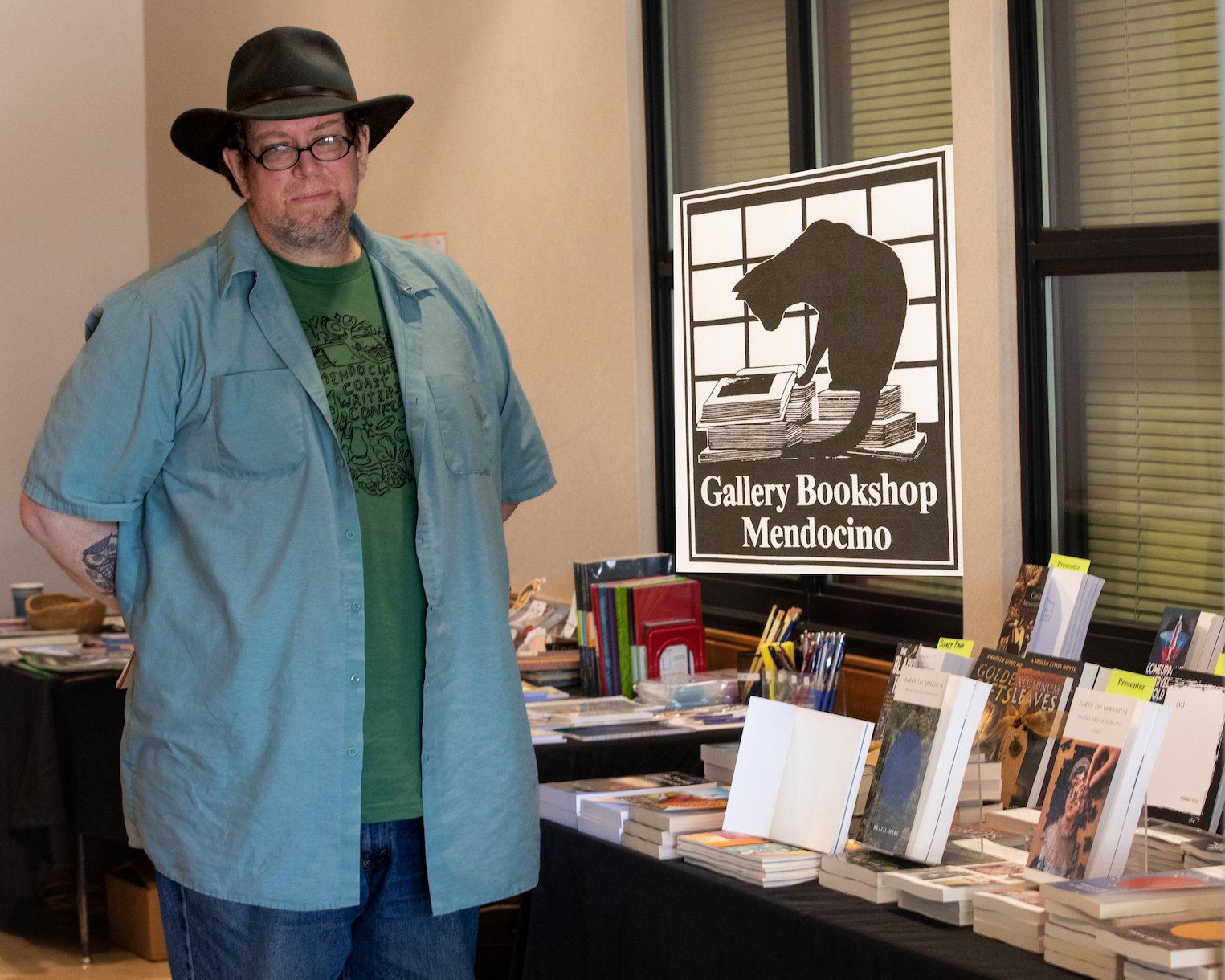
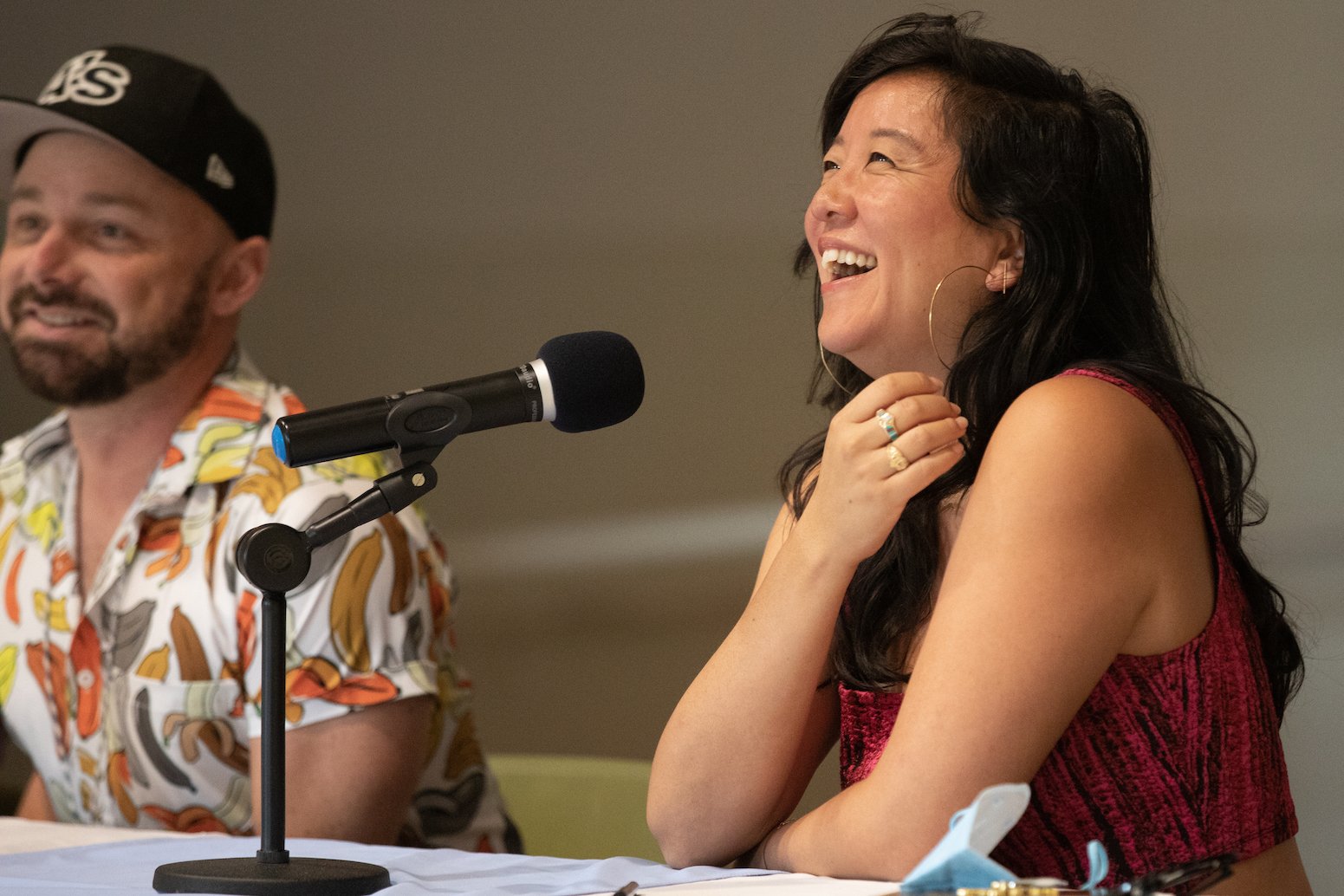
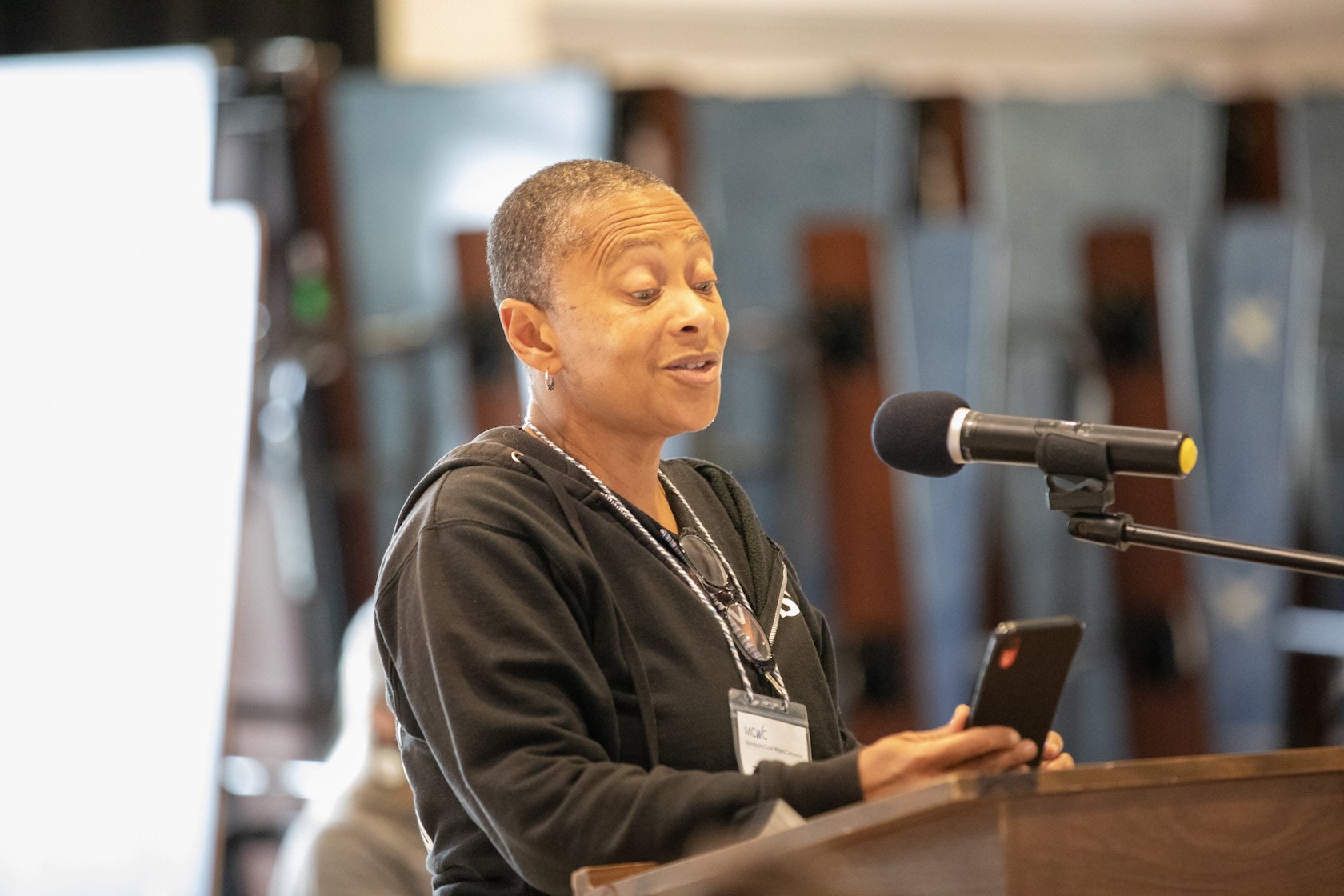
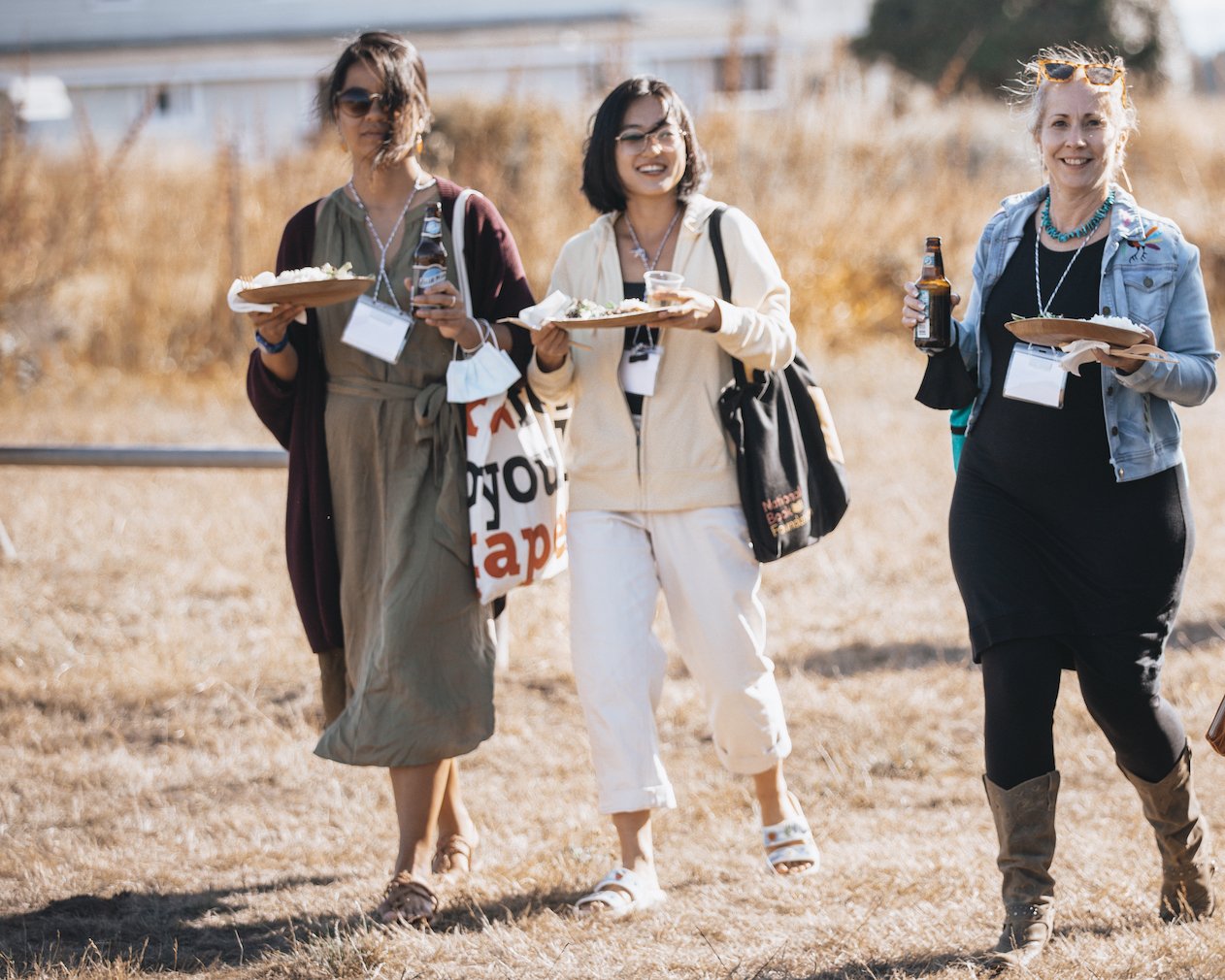
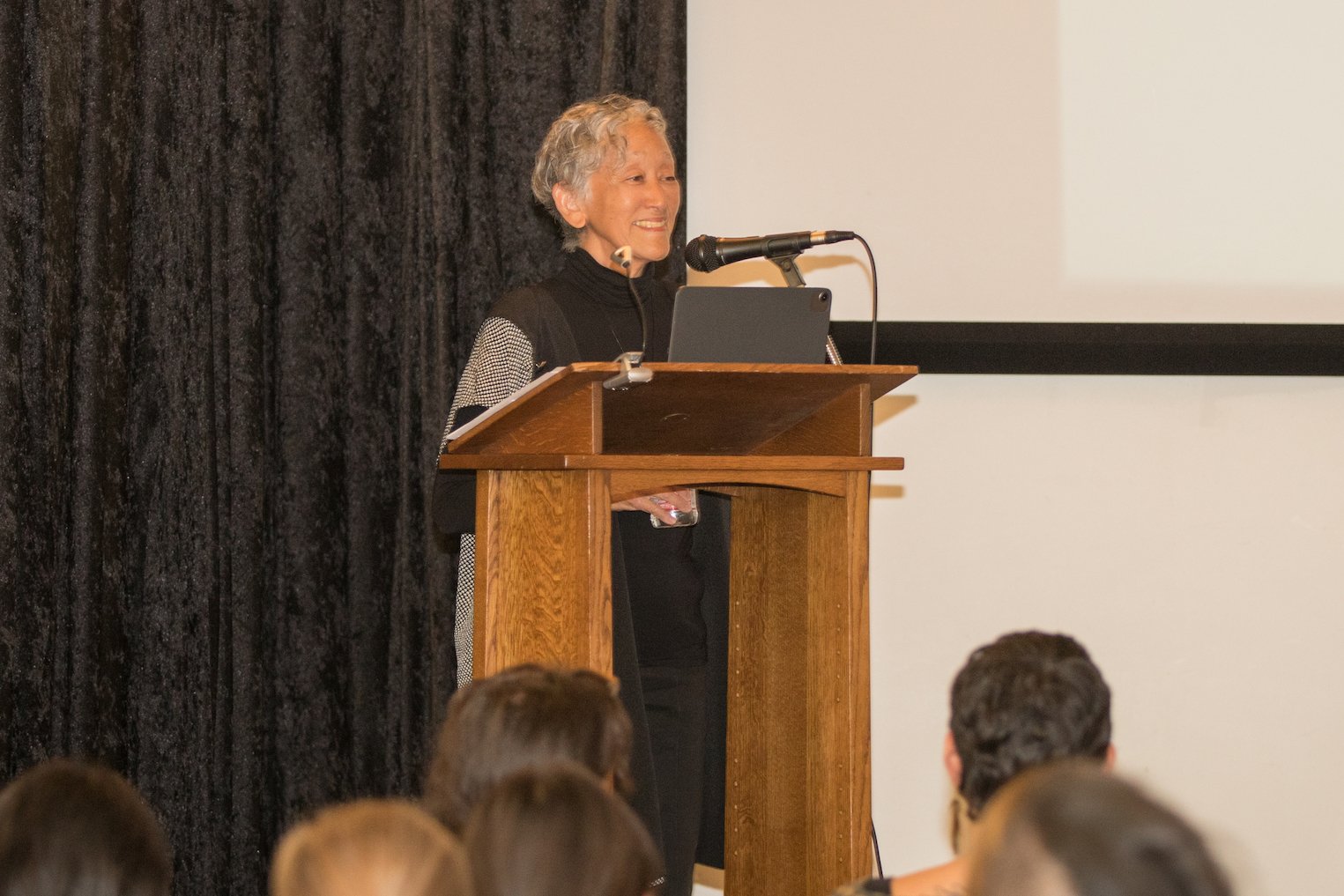
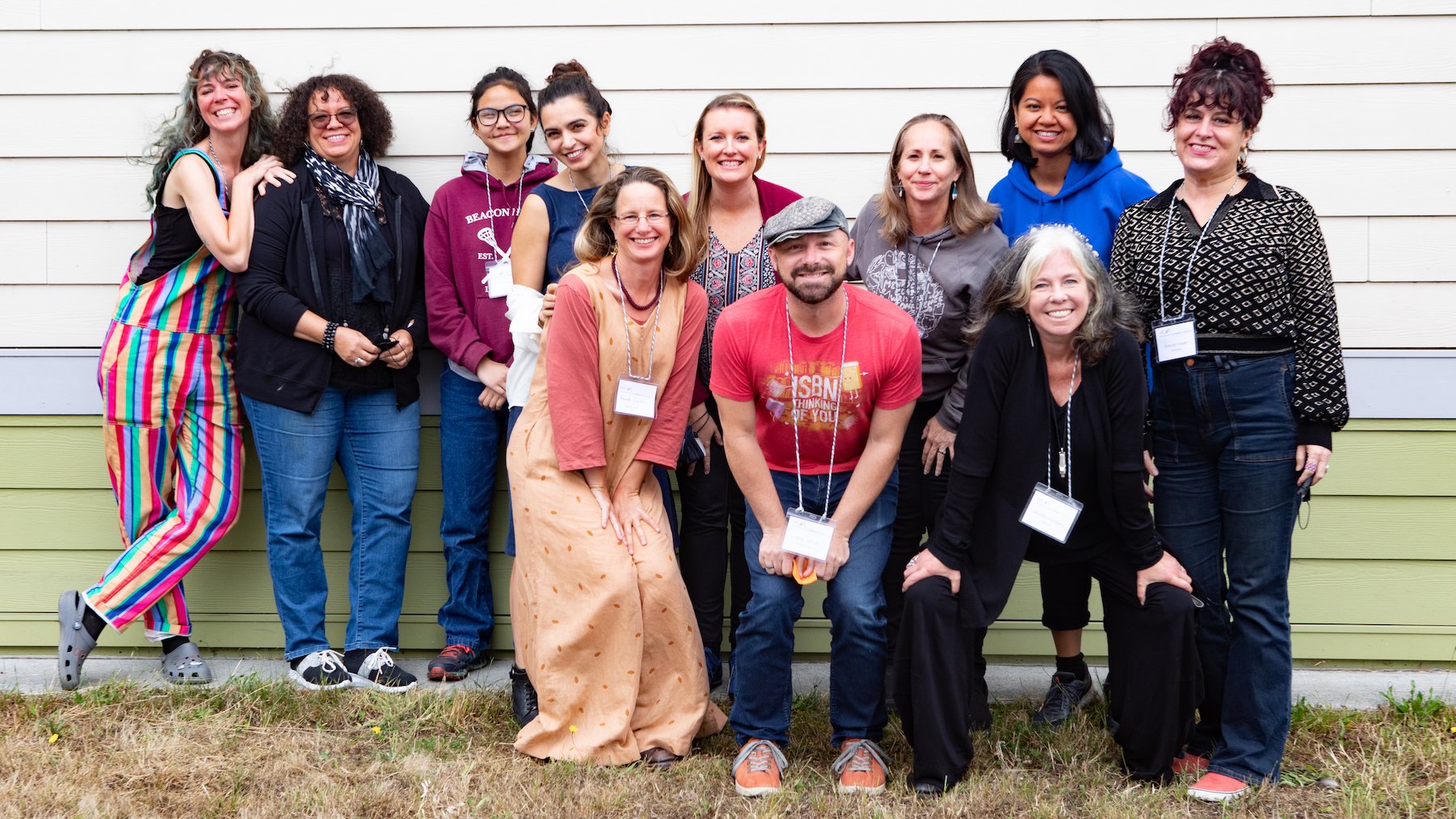
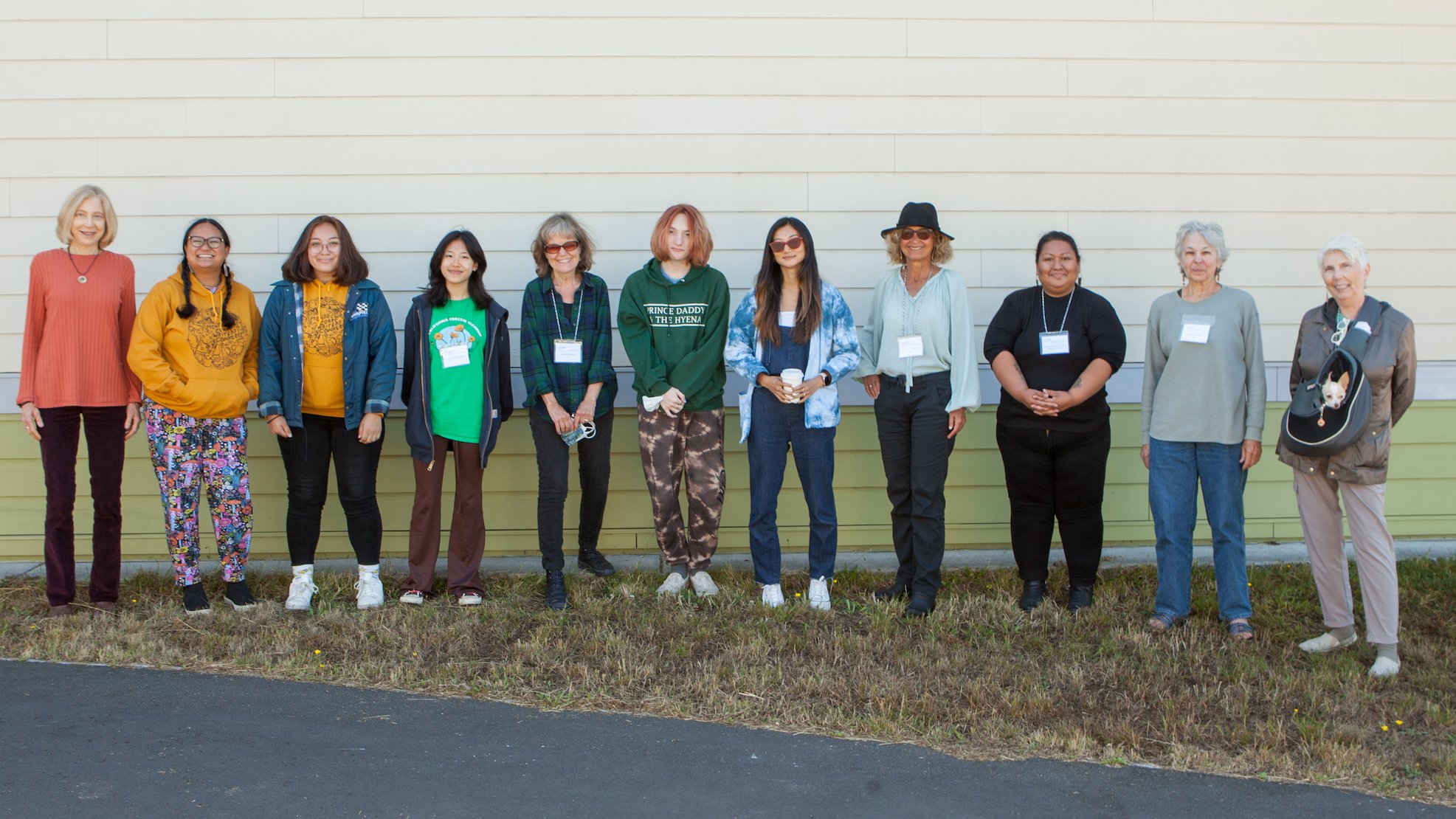
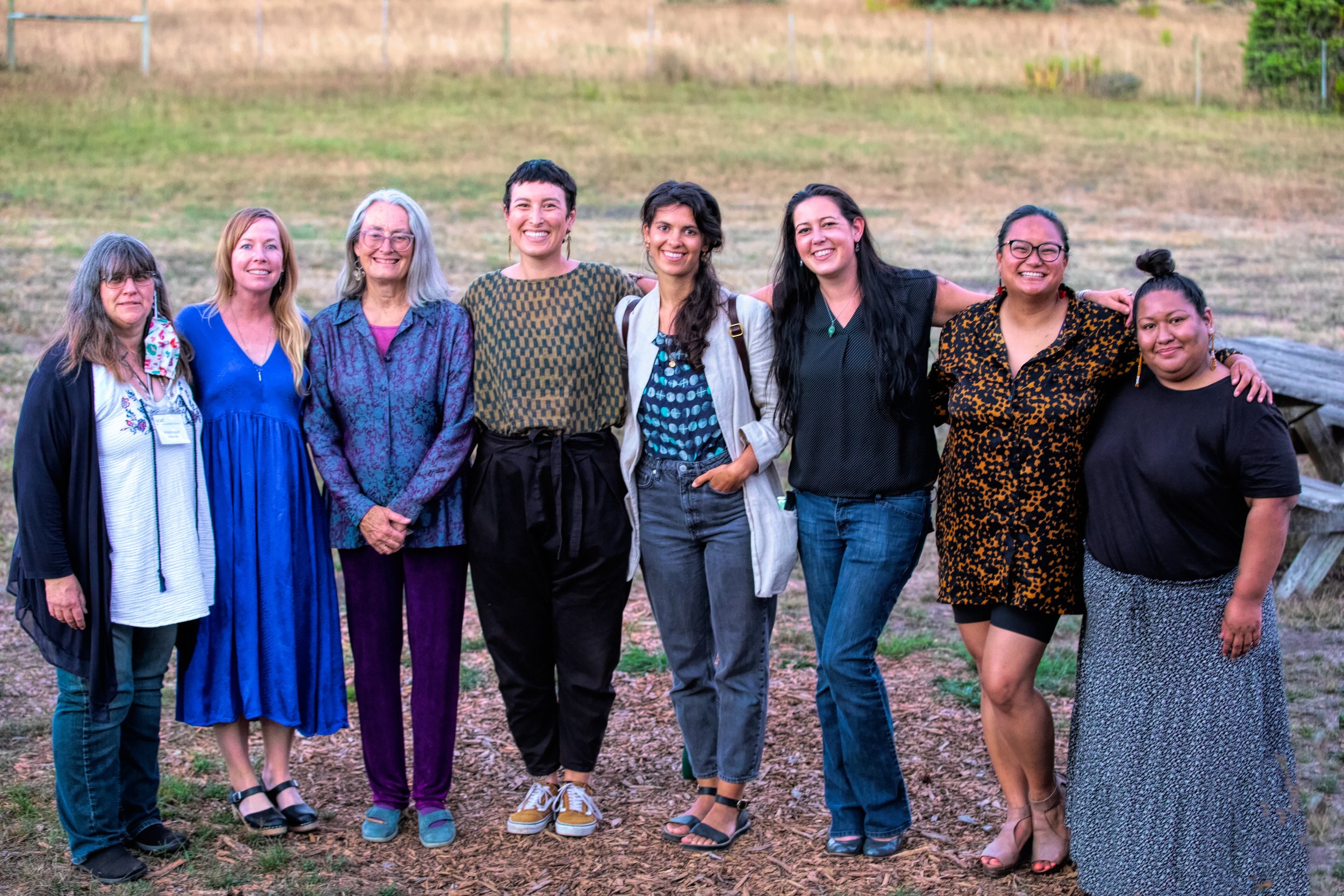
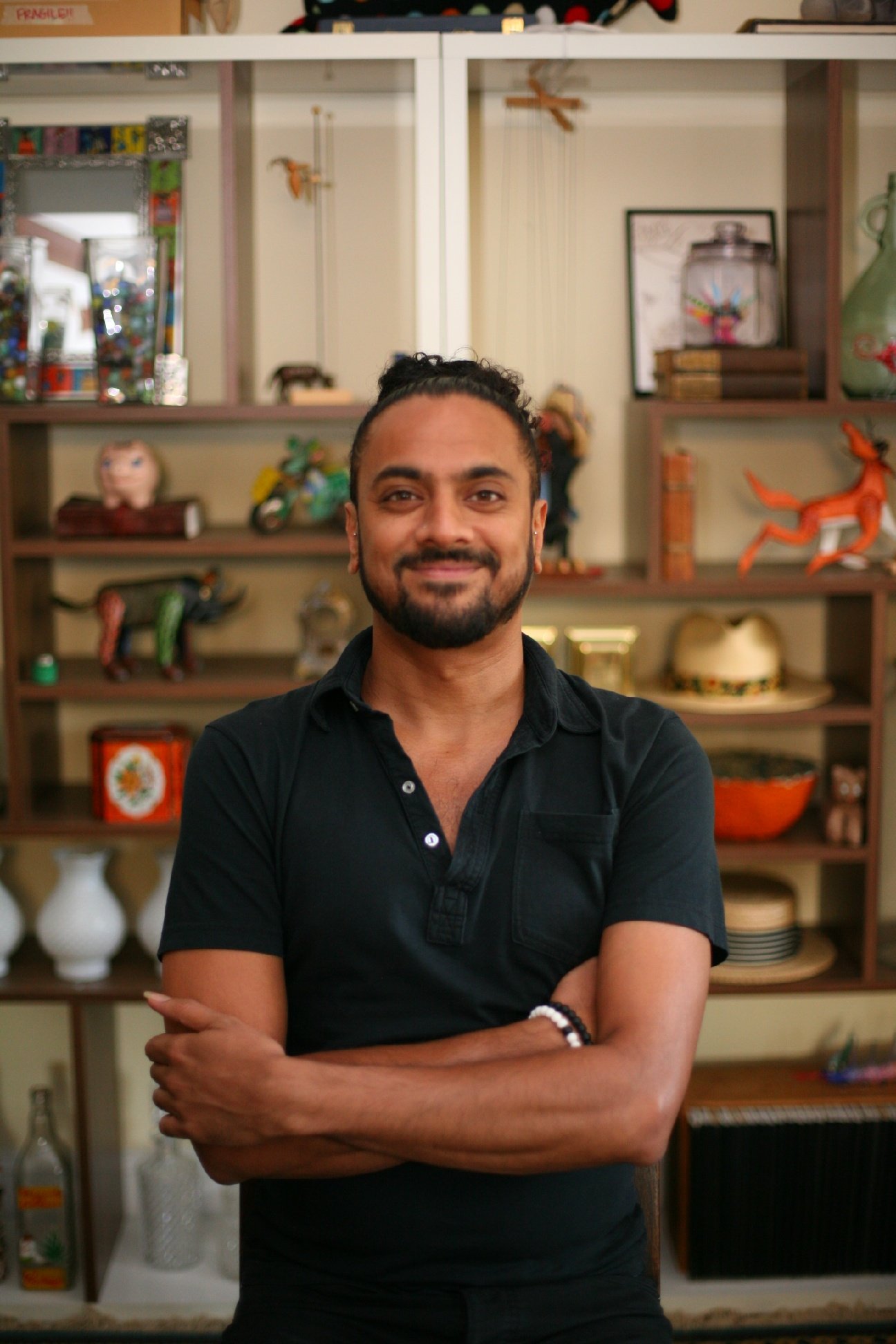
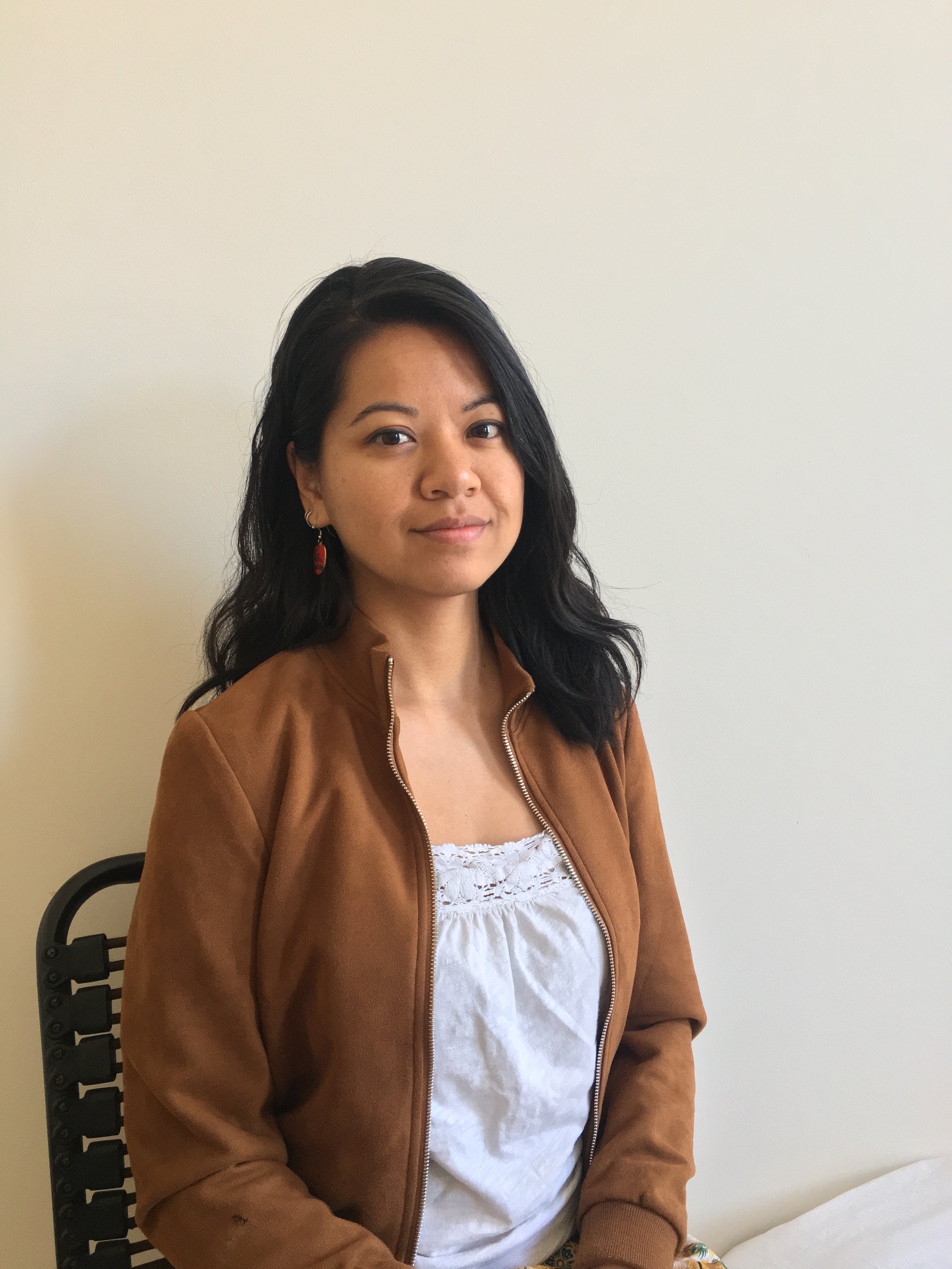
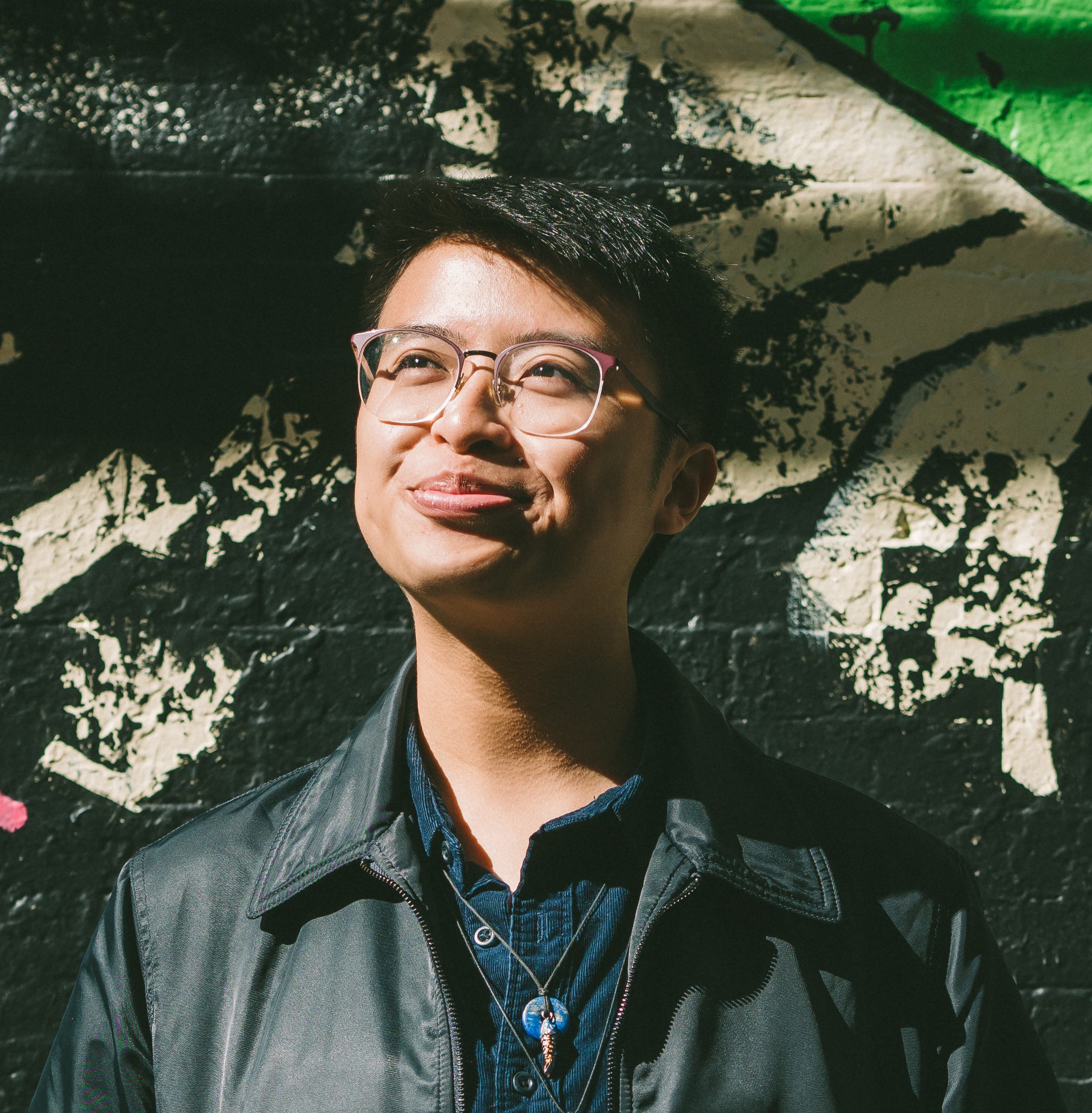
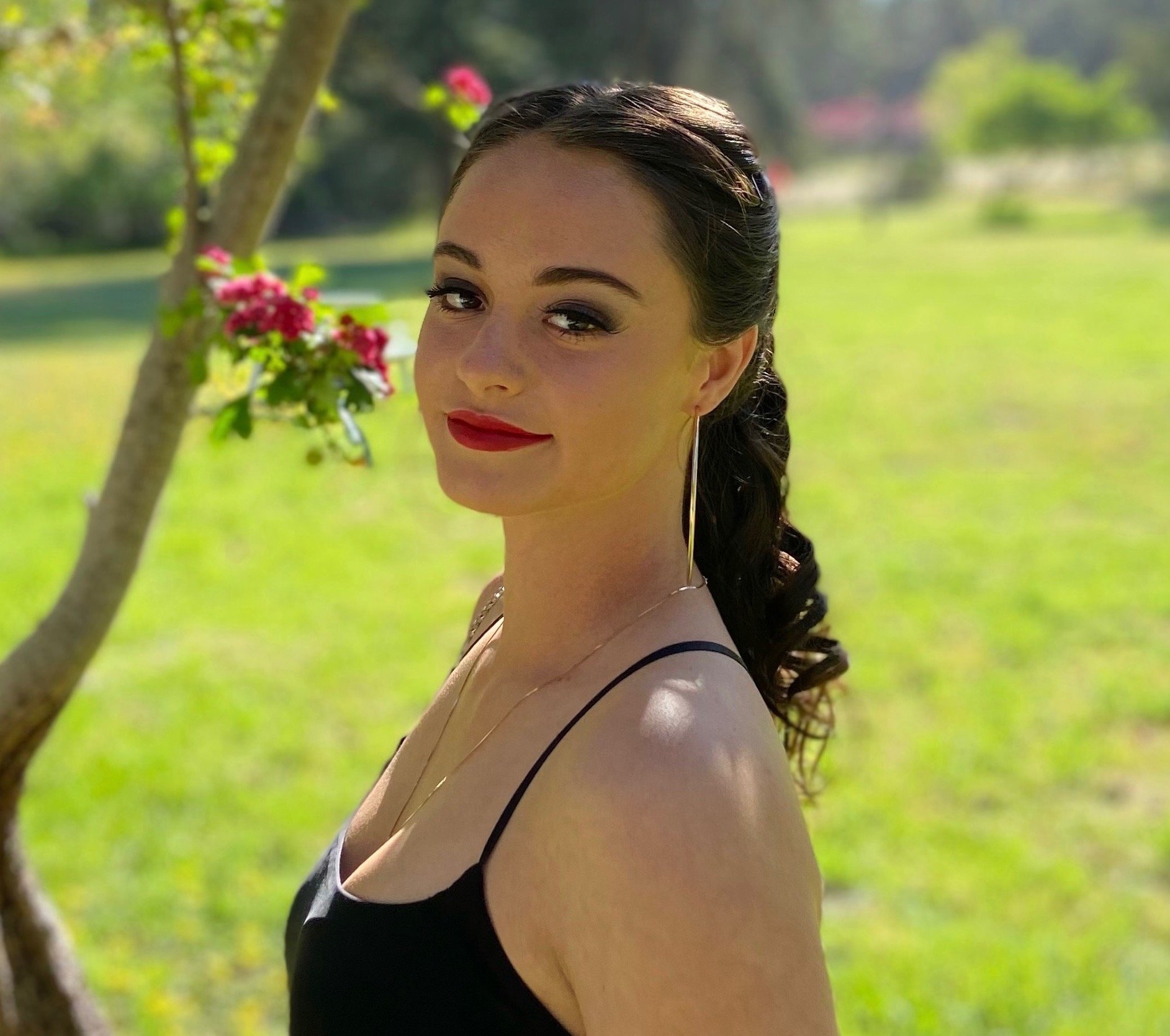
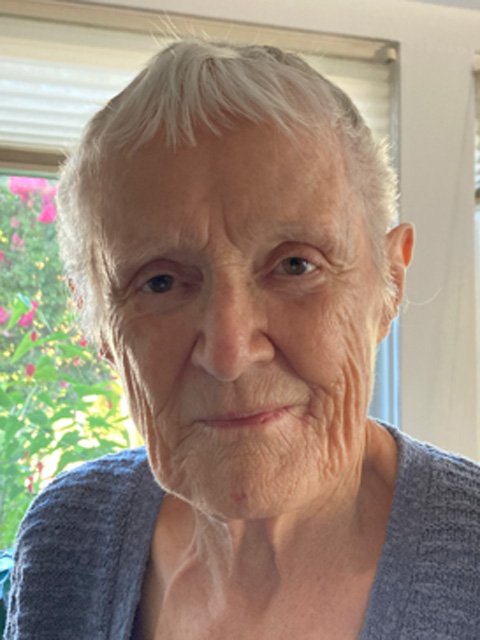
Photo by Mimi Carroll

And thank you to the many generous supporters who have contributed this holiday season in support of our mission. If you haven’t yet made a contribution, you can still participate before the end of the year. In addition to giving by check or credit card, below are some other ways to show your support:

Shop with Amazon Smile 

Select Mendocino Coast Writers’ Conference as your charity and you’ll support us every time you shop at Amazon.

Give the Gift of MCWC Seminars

You can buy one for $15 or all four for $50. 

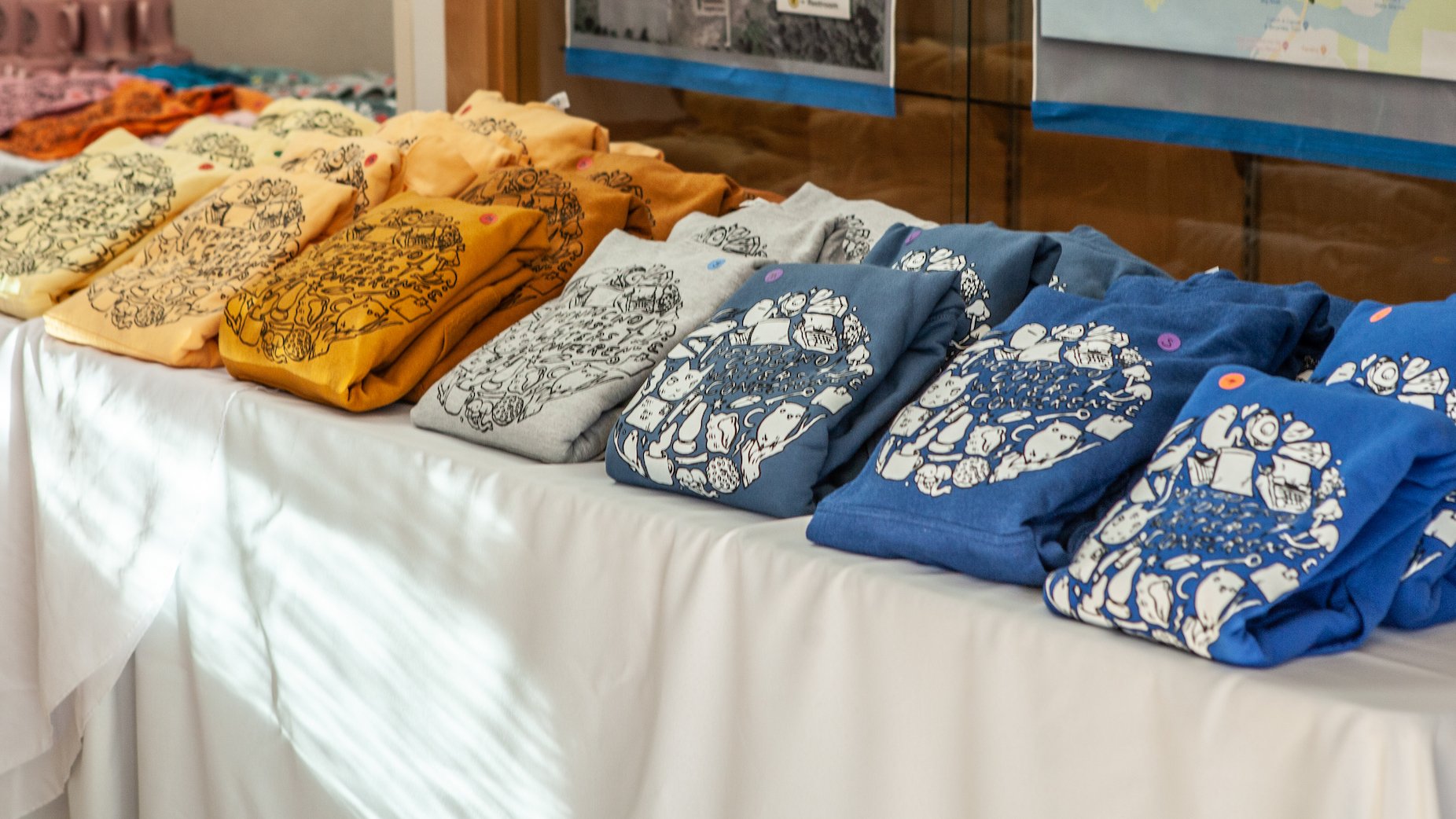
Buy Our Merchandise

Need a comfy sweatshirt or a mug for your hot chocolate this winter? Shop at our store for yourself or for gifts for the writers in your life.

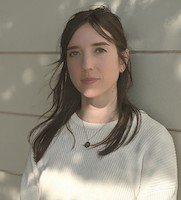
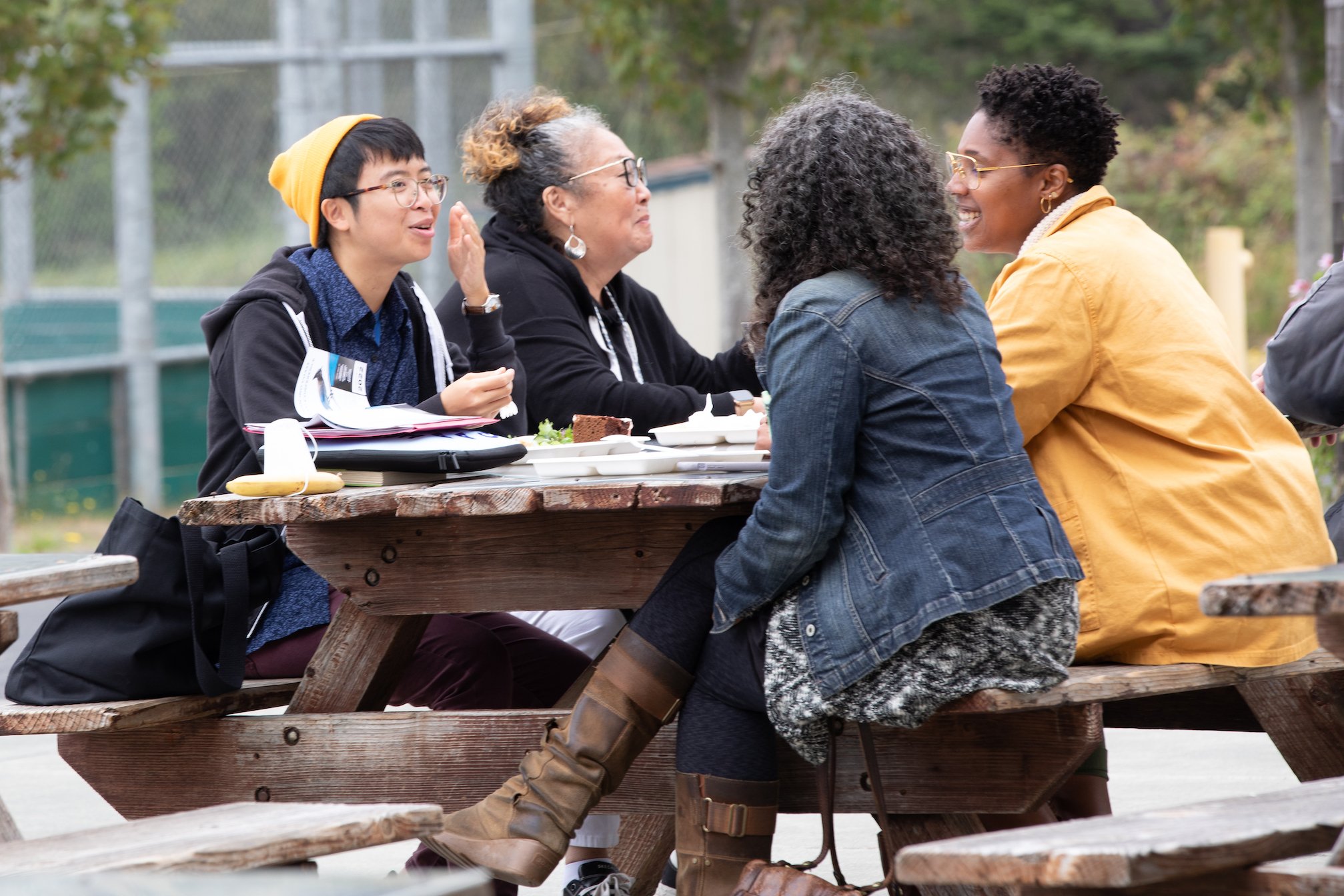
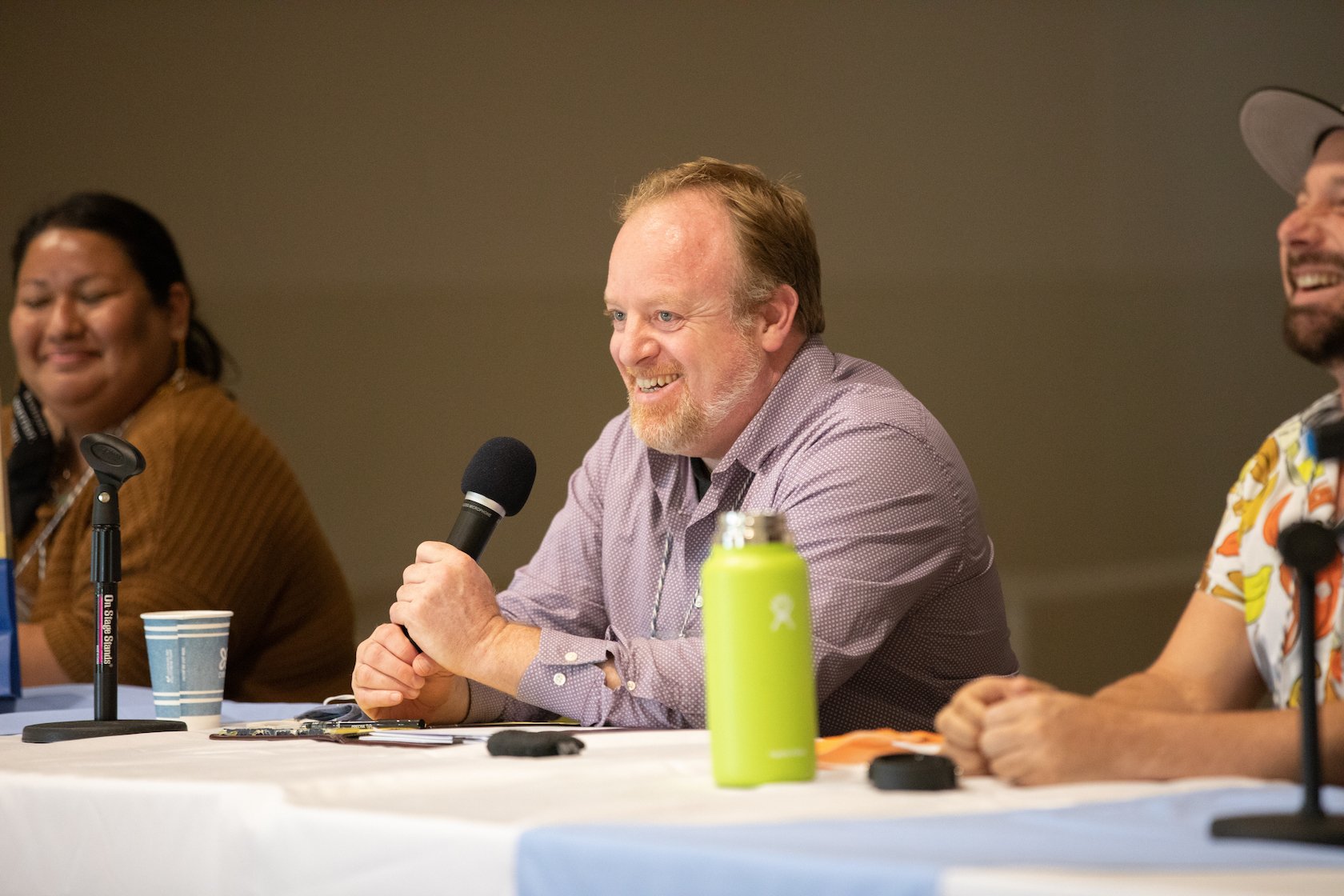
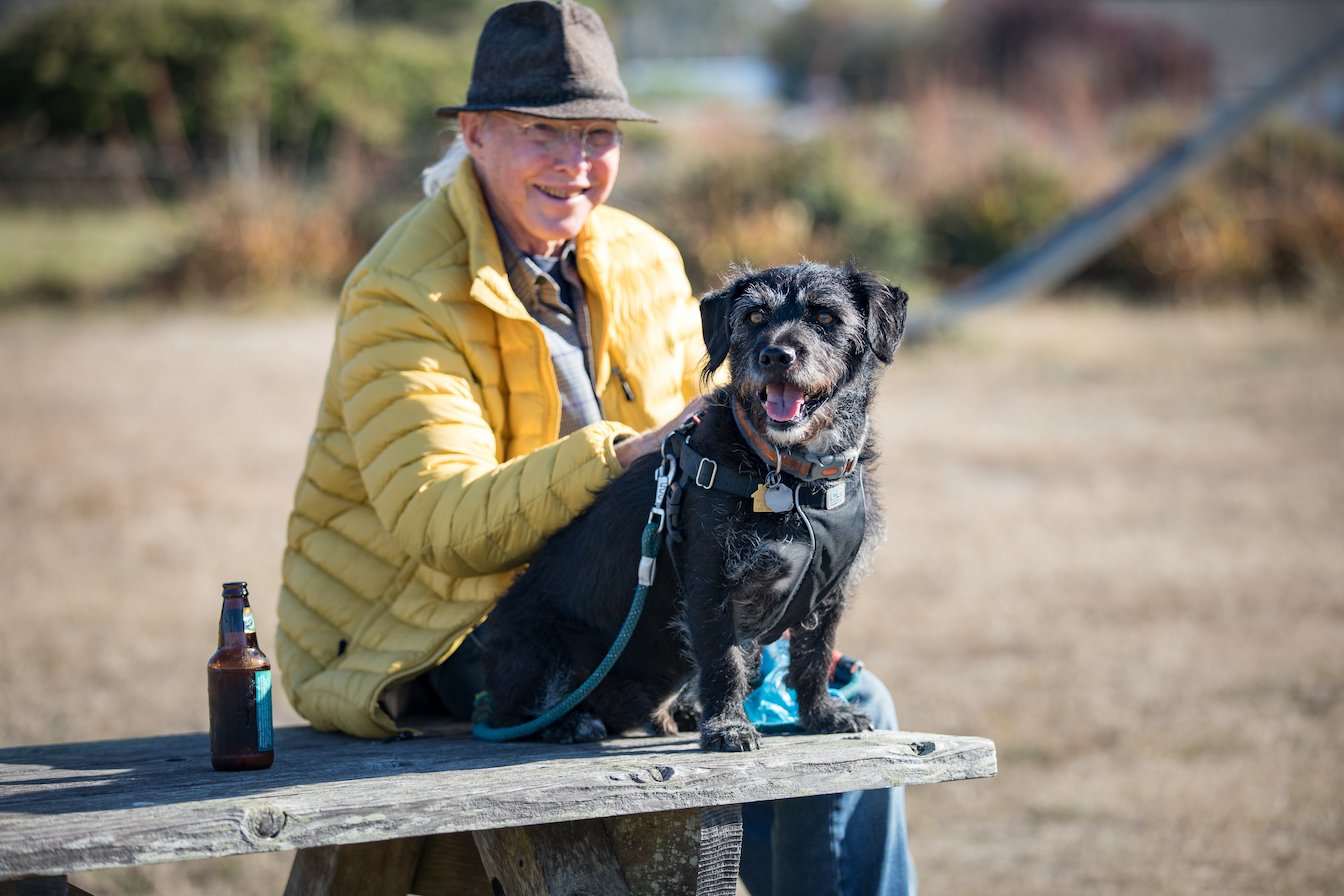
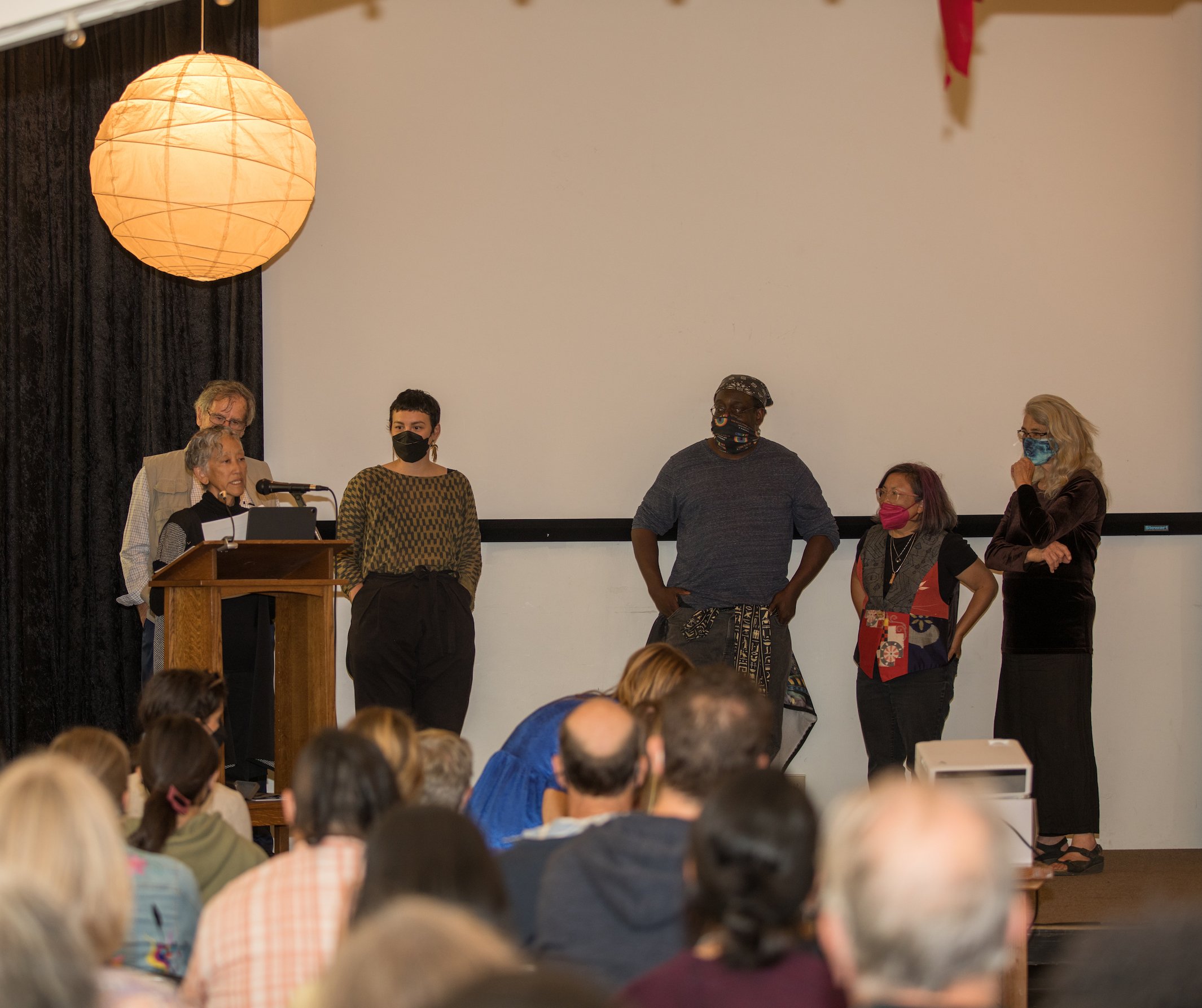
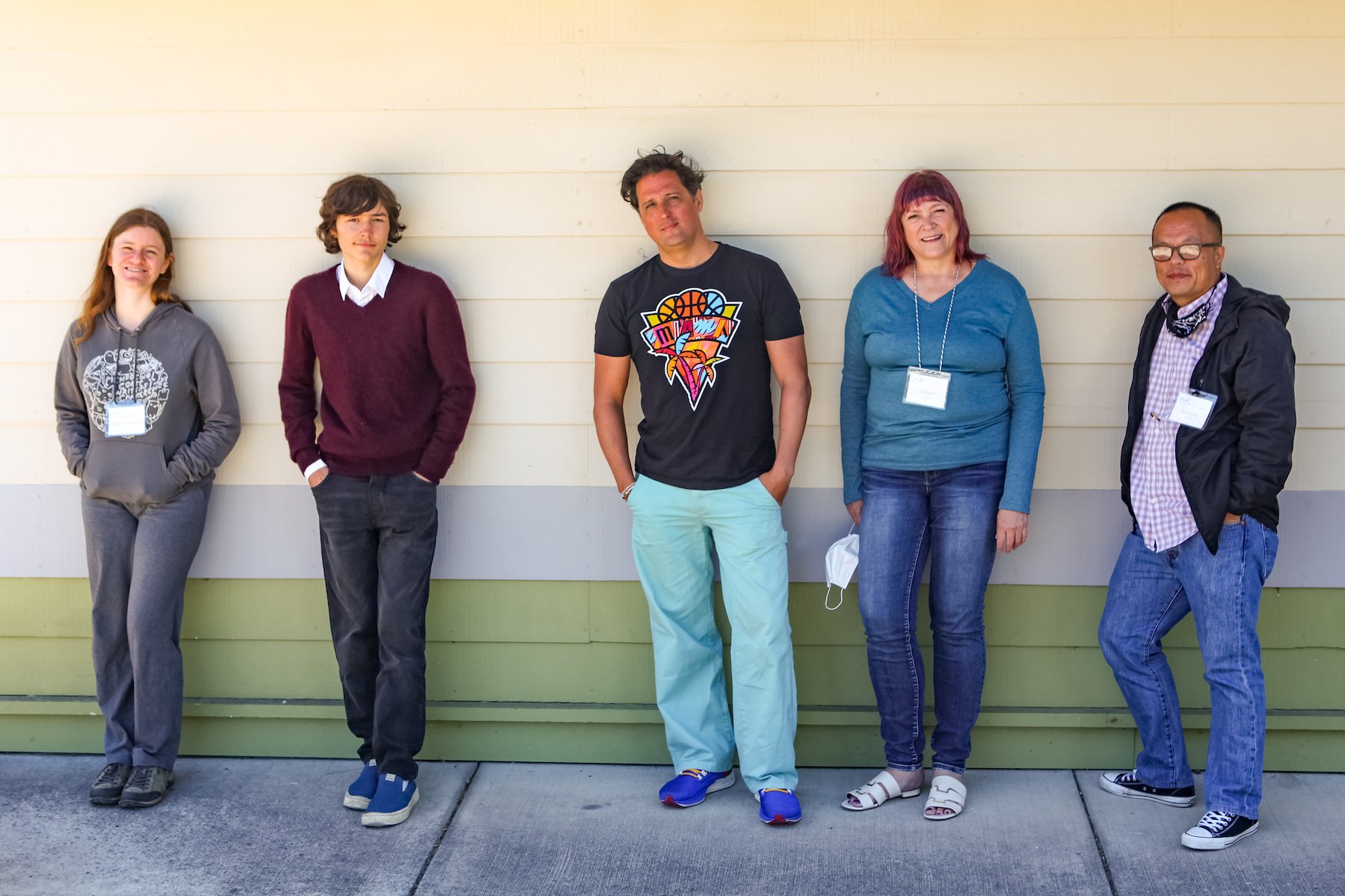
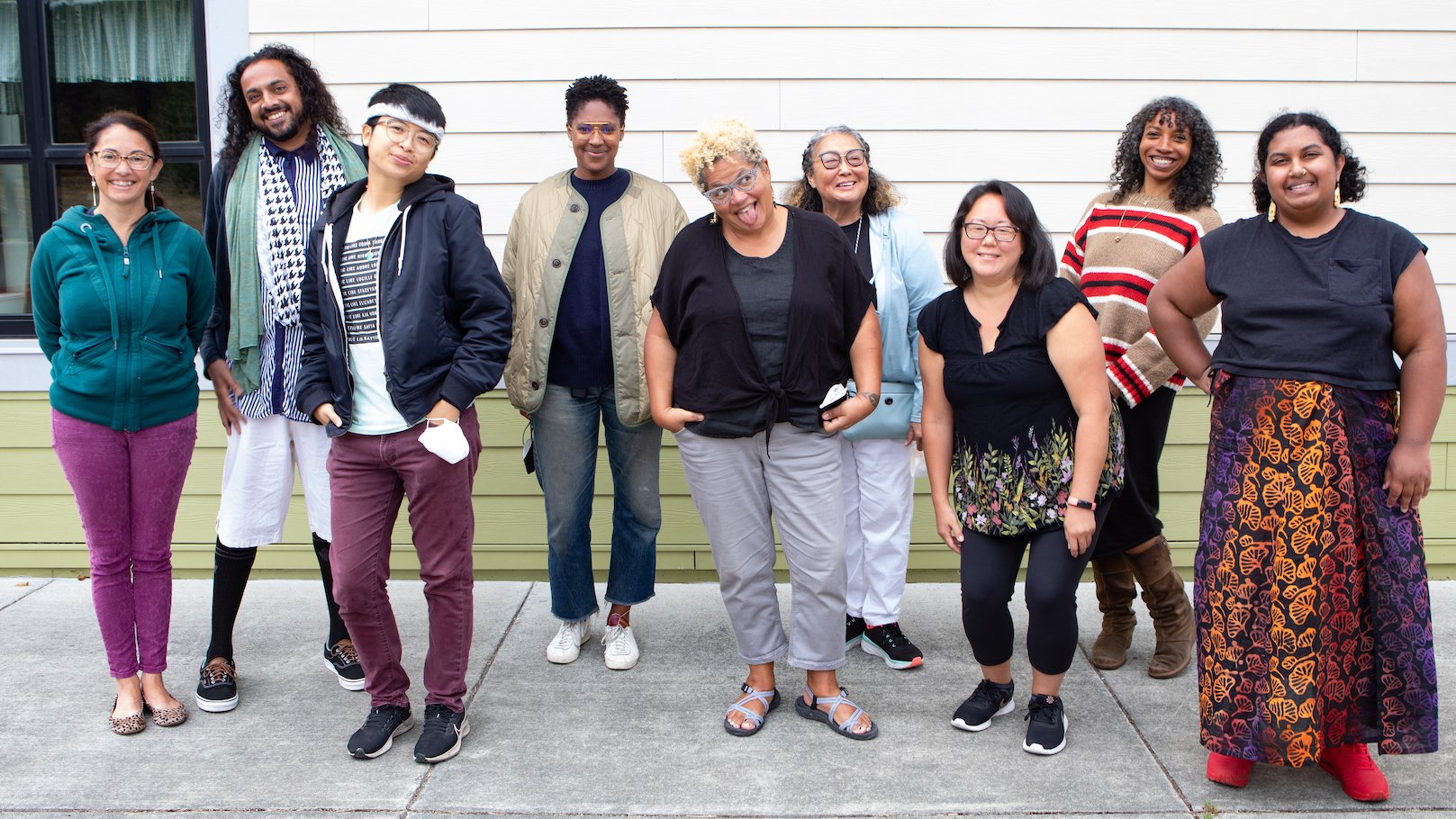
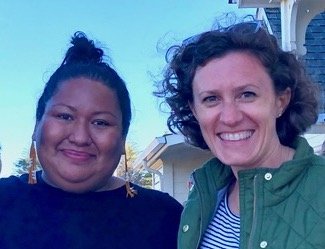
Photo by Mimi Carroll

EXPLORE MATCHING GIFTS

Many companies offer matching gift programs which can help stretch your support. If your company qualifies, it can double or sometimes even triple your initial gift. Contact your Human Resources Department to find out if your company qualifies.

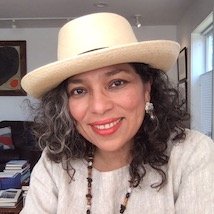
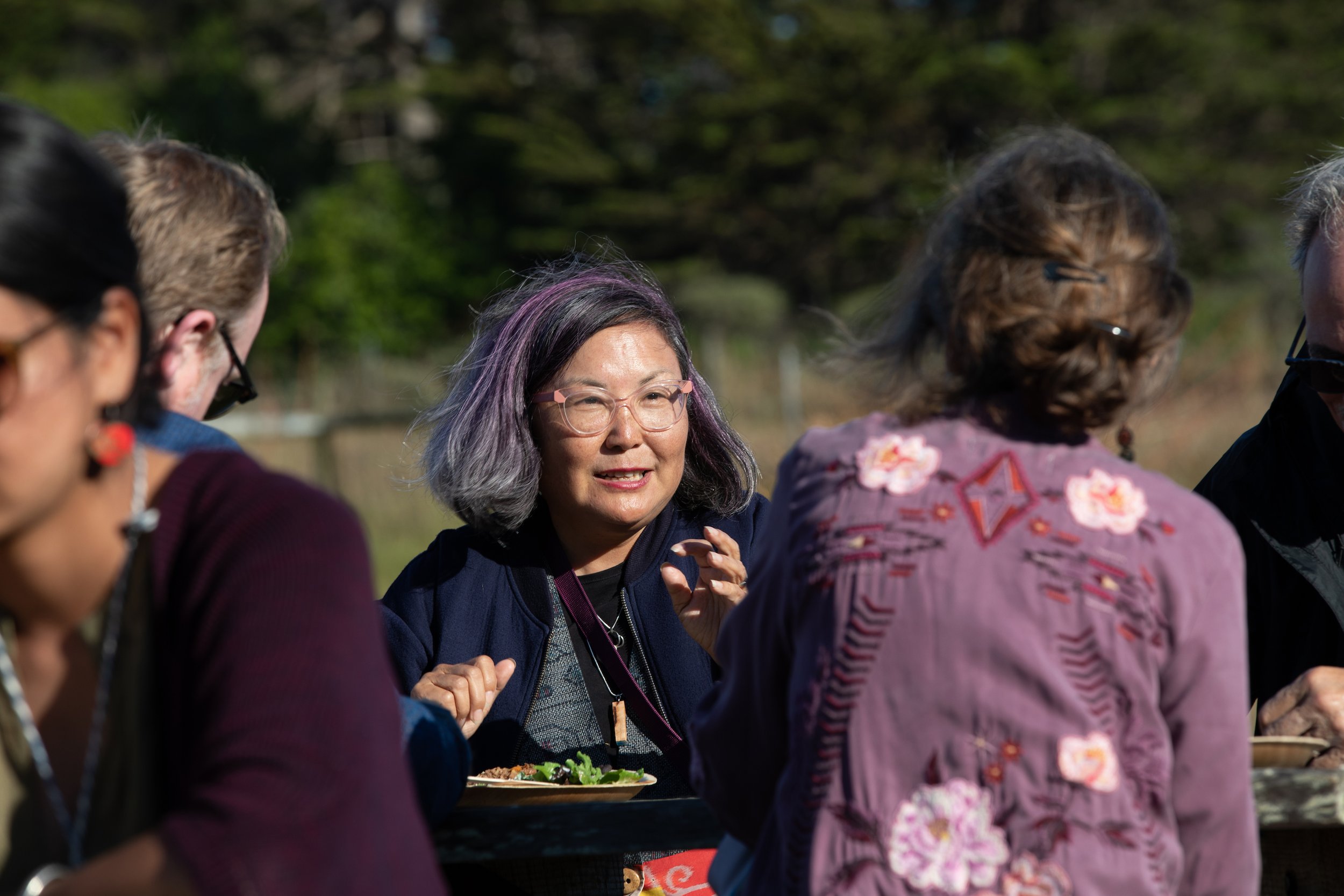
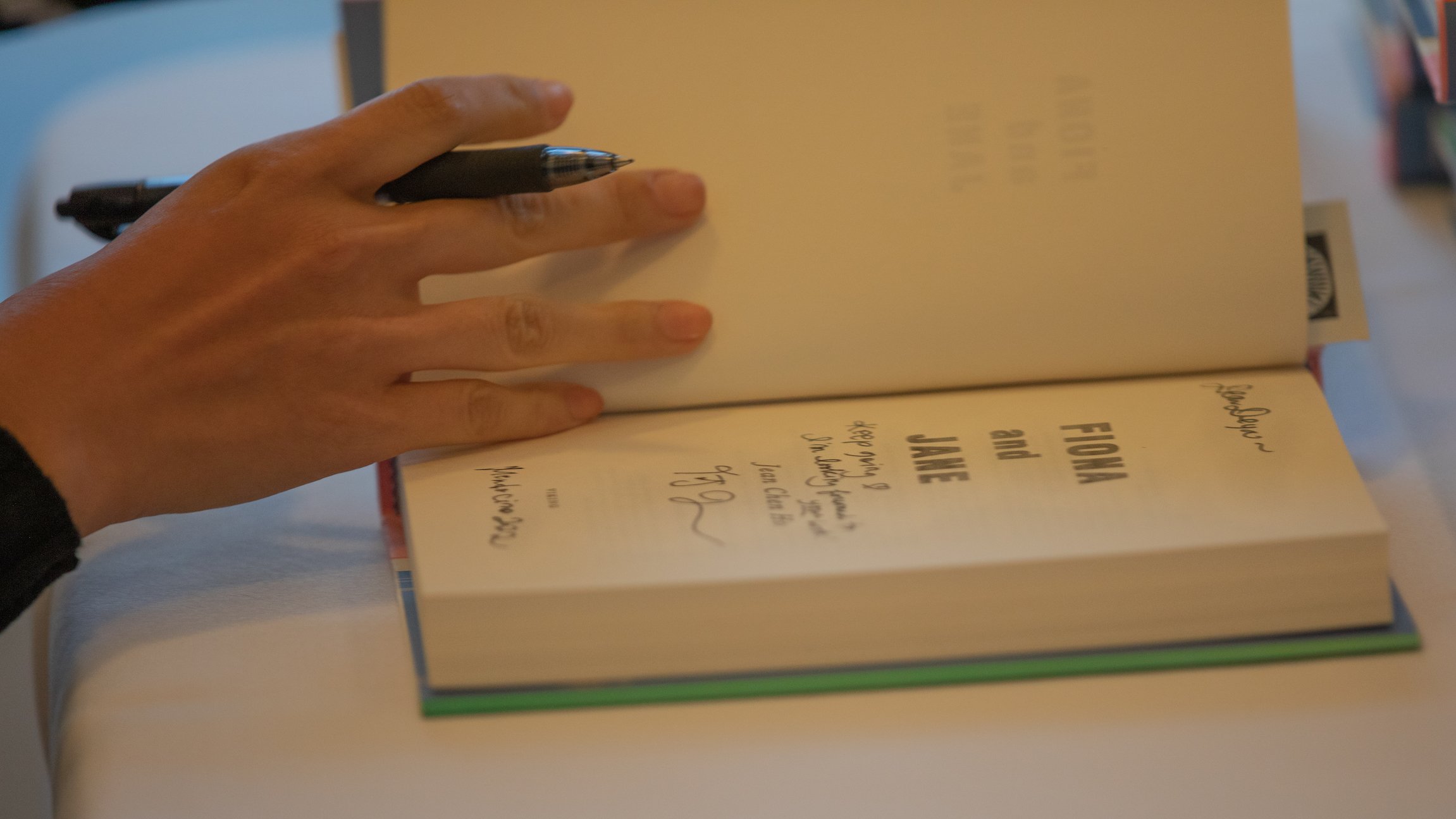
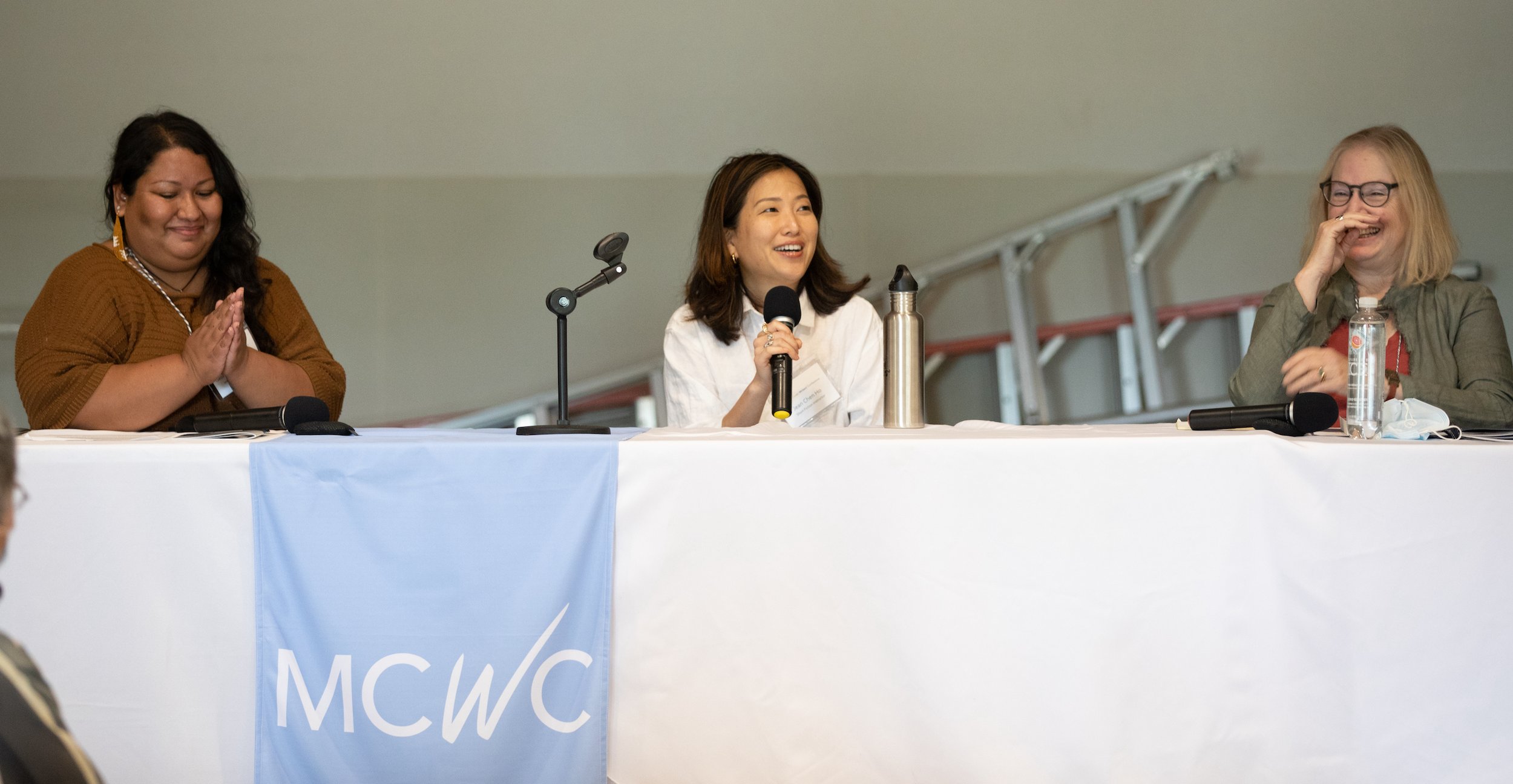
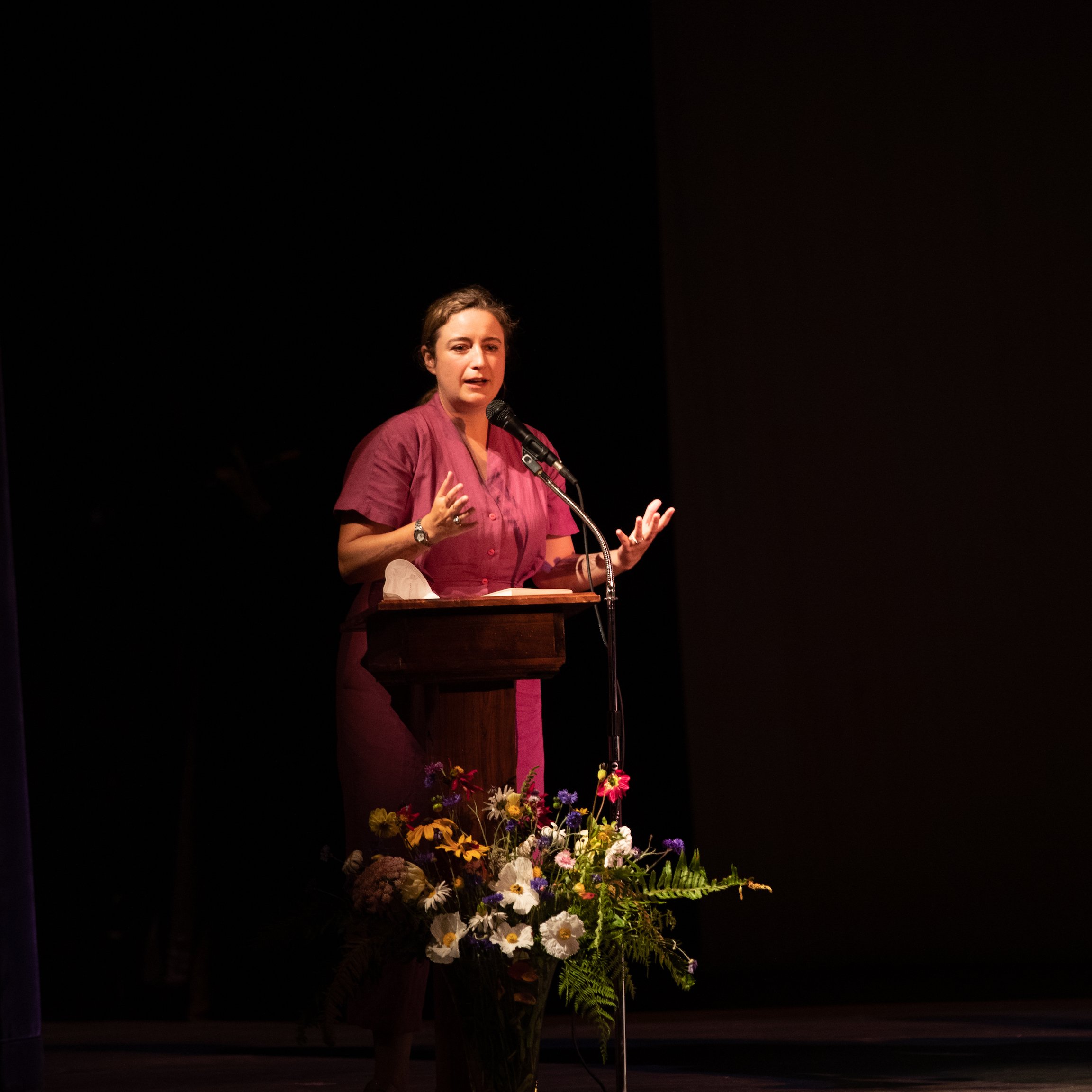
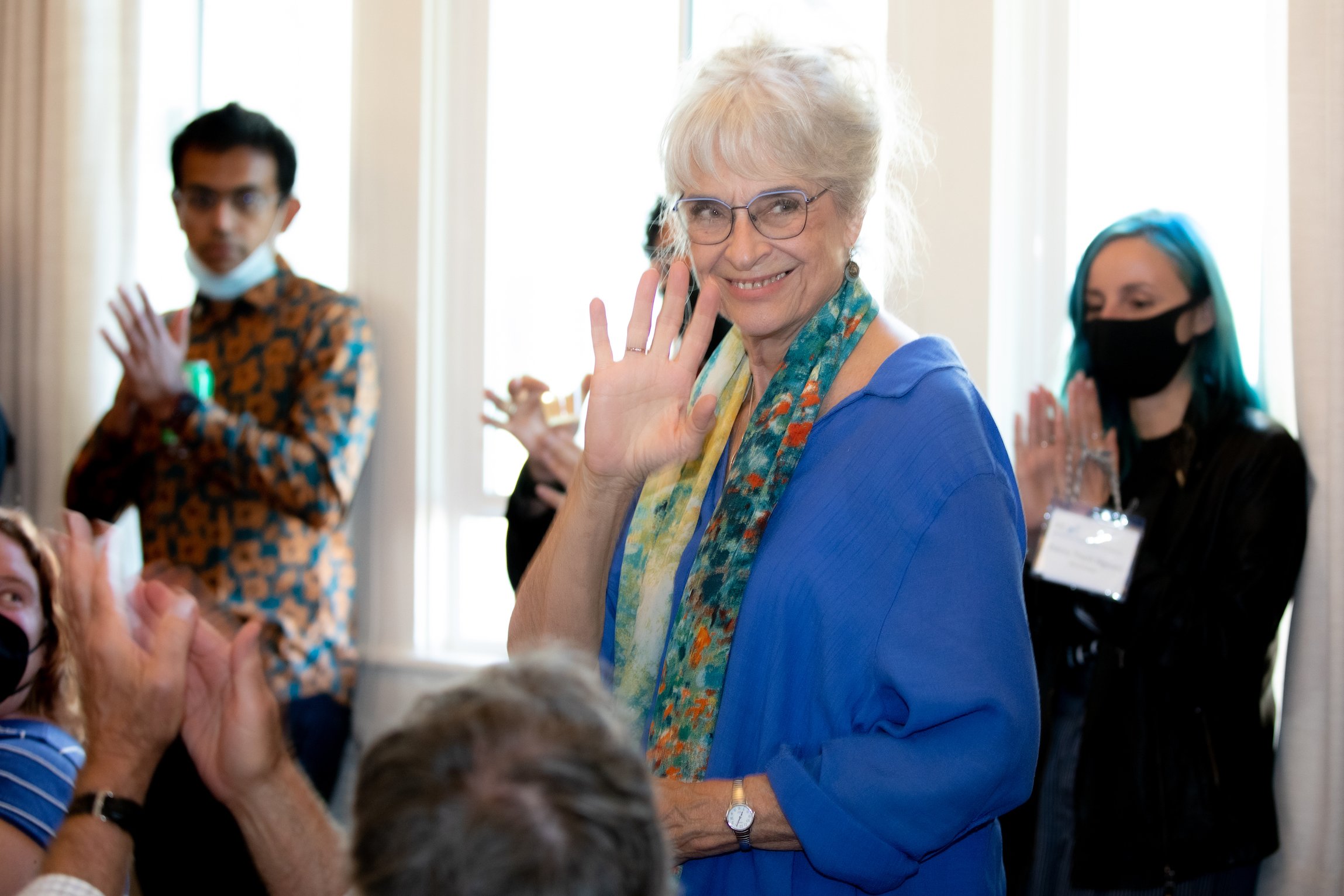
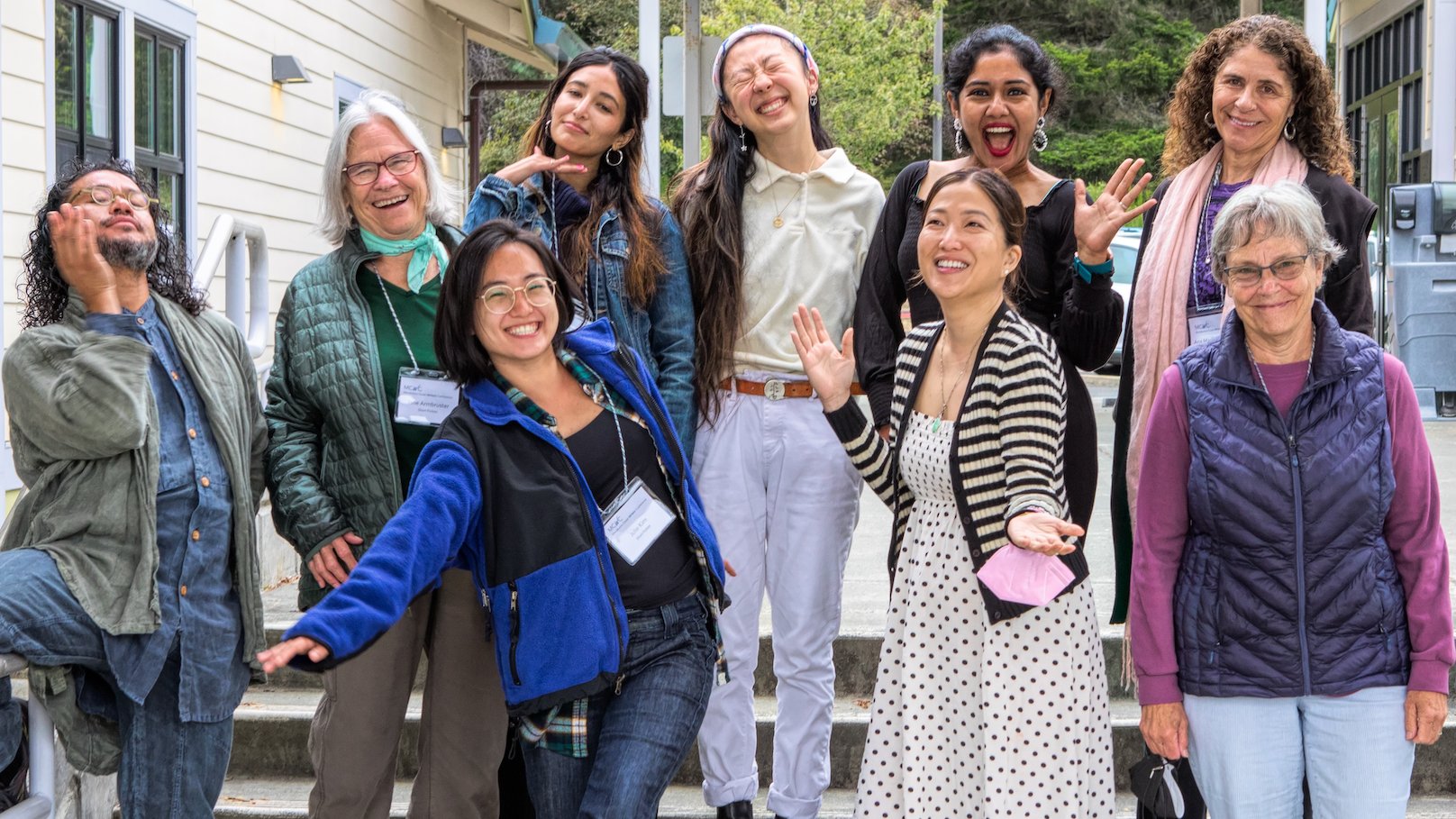
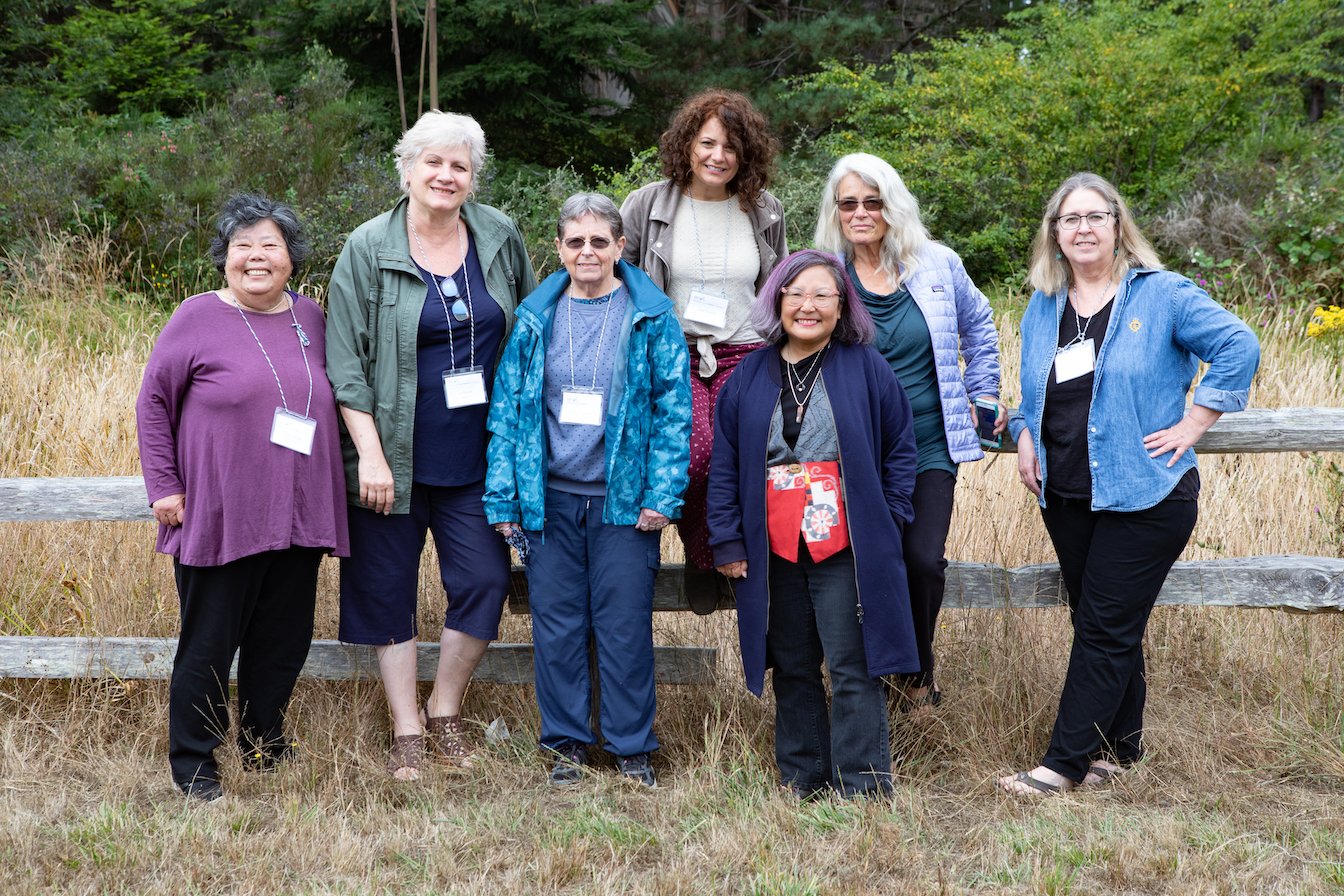
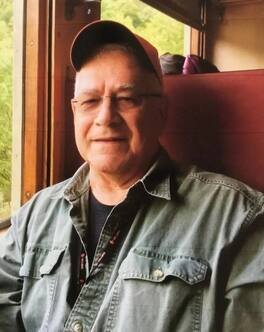
Photo by Mimi Carroll

Make an End-of-Year Donation

Thanks to our generous donors, we’re 64% of the way to our goal of raising $35,000! We’re working hard to continue our tradition in our 34th year for an in-person conference. Can you help us by making a year-end gift?

the MCWC 2023 SCHEDULE IS COMING SOON!

Scholarship and Master Class applications for the 2023 conference will open on January 15. Check back to our site then for details on how to apply.

Q&A with 2023 master class FACULTY, Ariel Gore

Ariel Gore is an award-winning novelist, memoirist, journalist, and editor. She is the founding editor/publisher of the American Alternative Press Award-winning magazine Hip Mama and edited Portland Queer, which won a 2011 LAMBDA Literary Award. Her memoir The End of Eve (Hawthorne Books) was described by Tom Spanbauer as "an act of poetry damn close to sublime." About her experimental novel/memoir We Were Witches (The Feminist Press), Lidia Yuknavitch said,  “We Were Witches is one woman’s body refusing to become property, refusing to be overwritten by law or traditions . . . a triumphant body story. A singularly spectacular siren song.” Her most recent book, The Wayward Writer: Summon Your Power to Take Back Your Story, Liberate Yourself from Capitalism, and Publish Like a Superstar (Microcosm Publishing) is out now. Her other books include The Hip Mama Survival Guide (Hyperion), Atlas of the Human Heart (Seal Press), How to Become a Famous Writer Before You’re Dead (Three Rivers), The Traveling Death and Resurrection Show (HarperOne), Hexing the Patriarchy (Hachette), and Bluebird: Women and the New Psychology of Happiness (Farrar, Strauss, and Giroux).

We sat down with Ariel , who will be leading the 2023 Master Class and asked her a few questions.

What drew you to begin writing in your genre?

Desire & Resistance

I wanted to be myself and survive. I never felt like I could deal with having a normal job where I had to wear heels and smile at all the right times. Not for any longer than necessary, anyway. I did want a career—something I could nerd out on, an outlet more than a hobby. I wanted to be myself and survive.

I wanted to be a writer in the sense that I wanted to do every kind of writing—from novels to news reports to plays to whatever the lit star of the future would do—and I wanted to push feminist and anti-capitalist agendas and travel the world by train smoking cigarettes and wearing a tie when I felt like it but mostly just wearing what was next to my bed when I woke up. I wanted to be myself and survive.

I knew I wanted to publish, but independent publishing appealed to me just as much as collaborative and commercial publishing, so the markets felt secondary. I wanted to be a writer and survive. I wanted to be the architect of my own survival. 

(Do you see what I’m doing here? I keep reaching back into a previous sentence and cutting a clipping from it and planting that clipping to grow the next sentence forward. I keep planting it forward. That’s all I’m doing.)

When I dropped out of high school in Northern California and headed to China in the mid-1980s, I put “writer” as my occupation on the visa form. A fellow traveler in the consulate in then-British Hong Kong nudged me and whispered, “Put student. Governments don’t like writers.”

I changed it. I wanted to be a writer and survive. But I already knew I also wanted to be a writer in the sense that I wanted governments not to like me. I wanted to be a writer in the sense that I wanted liberation for myself and all people. 

I wanted to be myself and survive.

I wanted bay windows and a fireplace. 

I soon learned that one must be strategic and diligent to achieve the bohemian lifestyle. Even then, capitalism puts up a fight. No matter. I was in this for the long haul. I would be myself and survive.

(If we think of a story as a series of tensions between desire and resistance, a series of scenes animating that tension in an ever-escalating or ever-deepening pattern, then reaching back to clip and replant becomes a way to allow the pattern of the language itself to imitate the central pattern of the desire and resistance.)

Try this:

Start with the words “I wanted . . . ” and tell the story from there. What does the narrator want and what tells them or shows them they can’t or shouldn’t have it? Let the story become a forward-moving pendulum that swings between “yes, maybe you can have what you want” and “no, probably you can’t have that.” Whenever you get stuck, re-read your previous sentences and clip from them to regenerate. Replant to grow the next sentence.

What patterns, rituals or routines are crucial to your writing practice?

I love numbers. I like word counts and page counts and my own invented deadlines that I adhere to as if they're universe-sent. Like most writers, I love it when the inspiration just ARRIVES, like something mystical, but I have found that I can only create the conditions for that magic with sit-your-butt-in-the-chair daily practice.

Who/what are your key influences and sources of inspiration?

Audre Lorde, Adrian Rich, Diane DiPrima, Ntozake Shange, Haruki Murakami, noir film, my teenage job at a art movie house in the Bay Area, my kids, and the anxiety inside me that only writing can seem to calm.

What do you love most about teaching writing?

I love reminding emerging writers that every aspect of their imagination has a place in literature, every aspect of their experience. I love that moment when we ask, together, wait, can we do this, and then we laugh and say YES OF COURSE!

I also love reminding emerging writers that everyone’s first draft is wonky.

I’m all for publishing before you’re ready, but you don’t have to publish everything you write and you certainly don’t have to publish early drafts of everything you write.

You’re going to have to learn discernment. It’s okay if this takes time.

Listening to NPR a few years back, they interviewed Alice Munro, you know, the Nobel Prize winner, and they asked her how many drafts she did and she said 80 or 100.

I thought about that and I figured I do about 40 or 50 drafts of everything I write if you count all the different ways I draft.

And that made me feel good, like maybe the only difference between me and Alice Munro was another 40 or 50 drafts.

What are you hoping participants of your MCWC workshop will get out of the time they spend with you?

There’s nothing wrong with art that tracks “The Hero’s Journey,” but our experiences are so much more diverse, relational, non-heroic, embodied, anti-colonial, and magical. Let’s make new models for our stories—models and experiments that serve the true shapes of our experiences. Every writer has heard of Chekov’s gun, the one that, if it appears in the first chapter absolutely must go off in the second or third chapter, but I am more of a disciple of Maxine Hong Kingston who said, “let’s find another way to unload that gun.” Let’s get together, rewrite the myths we’ve been handed when they don’t serve us, and find un-tragic ways to unload Kingston’s gun.

Also! Everyone can publish! Let’s DO THIS.

Got news? 

Send it to us at: news@mcwc.org

We hope your holiday season is full of health and happiness. We’ll see you in 2023!

From,

All of us at MCWC
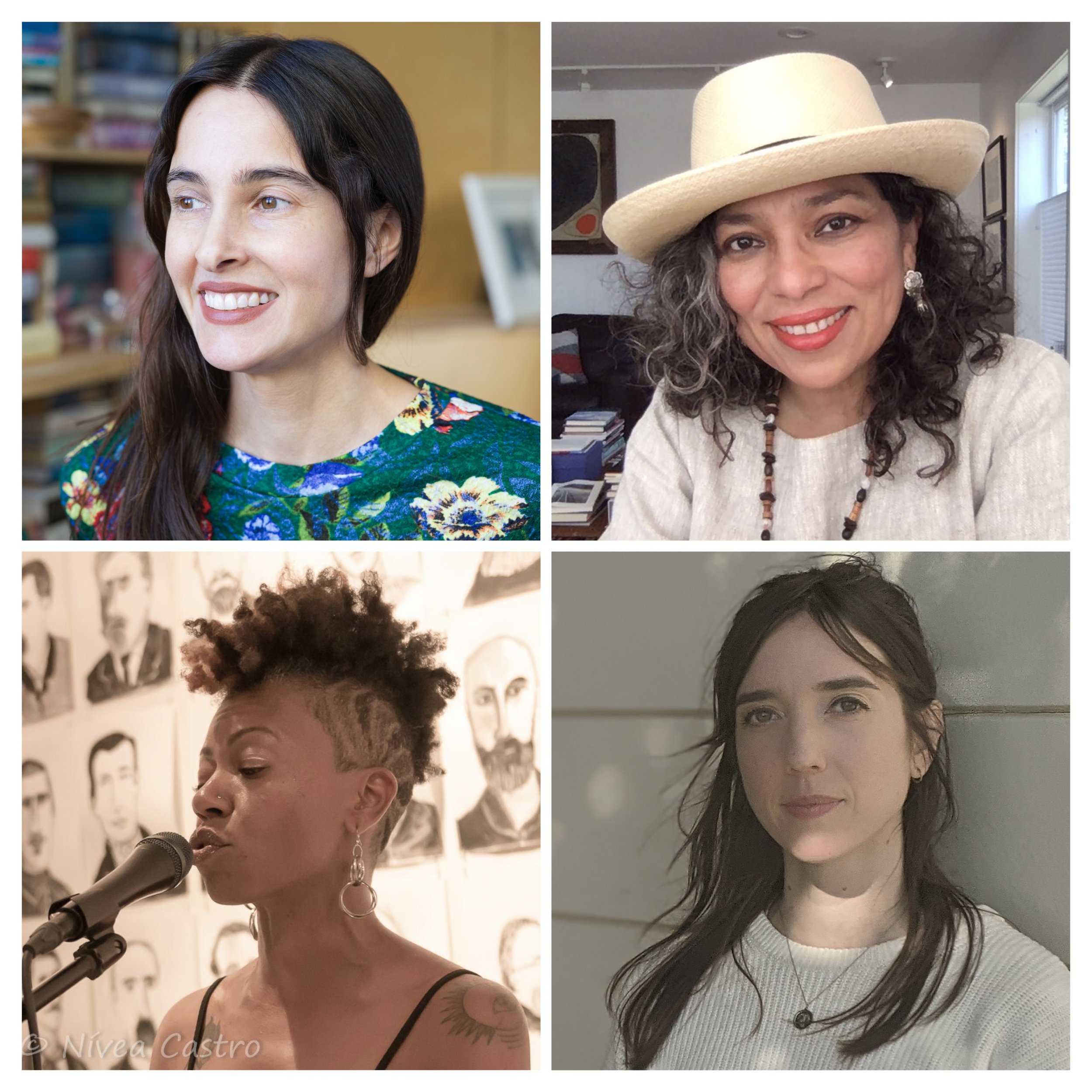
A FUNDRAISING UPDATE + RECOMMENDED READING & VIEWING

We’re More than Halfway to Our Fundraising Goal! Our 2023 Sustaining Community Fundraising Drive is off to a fantastic start! We’re so grateful to the following people for their generous donations:

  • Alix Sabin

  • Anonymous Fund at the East Bay Community Foundation

  • Brenda Yeager

  • Bryant Burkhardt

  • Carole Stivers

  • Catherine Marshall

  • Claire Fortier

  • Clay Craig

  • David & Laura Welter

  • Eliana Yoneda

  • Henrietta Bensussen

  • Jane Armbruster

  • Jasper Nighthawk & Lisa Locascio Nighthawk

  • Laura Welter

  • Michelle Peñaloza

  • Norma Watkins

  • Susan Bono

  • Susanna Janssen

  • Terry & Michael Connelly

Thanks to our generous donors, we’re 61% of the way to our goal of raising $35,000! We’re working hard to continue our tradition in our 34th year for an in-person conference. Can you help us by making a year-end gift? Every gift matters, no matter how big or small.

Your contribution to our 2023 Sustaining Community Fundraising Drive will enable us to continue building a community where literary dreams become a reality. We’re so looking forward to being back together next summer. Thanks for helping us get there!

With gratitude,

Georgina Marie Guardado, Interim Executive Director

Laura Welter, Vice President, MCWC Board of Directors

Miss the Fall Online Seminars? 

Don’t worry! You can catch up now by purchasing the recordings. You can buy one for $15 or all four for $50. 

December Reading List

This upcoming winter season may provide an opportunity to catch up on reading and we’ve got a list for you! Here are selected works from some of 2023’s MCWC faculty:

  • We Were Witches by Ariel Gore

    “You know that feeling when you crack open a brand new book and just by reading the first paragraph you can tell you’re about to go on a transformative journey? The kind of book that grabs you by the hand and says, hold on, we’ve got important work to do? A story that, at the risk of sounding very cliché because the word “witches” is, after all, in the title - leaves you spellbound? We Were Witches by Ariel Gore is that book… it is everything you didn’t know you were allowed to want in a narrative.” - Autostraddle

  • Island of a Thousand Mirrors by Nayomi Munaweera

    “Munaweera's first novel is a breathtaking work of lyrical prose and vivid, transporting imagery. Part historical fiction, part family saga, it is most of all an ode to the Sri Lanka of the past and a hopeful wish for the country's future.” - Booklist (starred review)

  • Joy Enough by Sarah McColl

    "McColl's argument — that these small moments make up a life, that these small moments are life — is persuasive, and it is presented with humor and charm. This is a book about an extraordinary figure who was a housewife, mother and divorcée. The word 'mother' doesn’t entirely do her justice, and yet that’s what this memoir does: does her justice, in more than a summarizing word." - Rachel Khong, The New York Times Book Review

  • Mausoleum of Flowers by Daniel B. Summerhill

    “The assemblage of poems in Daniel Summerhill’s Mausoleum of Flowers creates an umbrella of memory through which language becomes the salve, the armor that allows these words to resurrect into something beautiful by living and reliving history. These poems are aware and cognizant of a social condition where silence is not an option, and yet, the poems are tender and loving—aesthetic beauty on the poet’s terms.” - Randall Horton, author of #289–128: Poems

  • Looking Back at Hong Kong: An Anthology of Writing and Art edited by Nicolette Wong - “The Ones Who Immigrated to Convoy Wharfs,” by Ploi Pirapokin

    Amidst the reshaping of Hong Kong’s social, cultural, political and ideological landscape, how do we re-envisage a city that exists in our memories? For those who have left their hometown—or the place they once called home—the question, “What does it mean to be a Hongkonger?” marks a constant shift between conflicting realities, identities and perceptions. Beyond the act of remembering, how do we reimagine our relationship with Hong Kong in the present and the future? In this collection of prose, poetry and photography by eighteen writers and artists, we see a gathering of reflections on the profound changes and subtle transitions that have transpired in Hong Kong, both in recent times and over the past decades. 

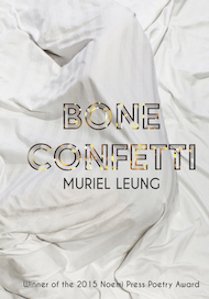
  • Bone Confetti by Muriel Leung

    “In this book of specters, there are so many sonorous, uncanny, and sorrowful lines that inspire me to think and feel as Leung meditates on the politics of mourning and the ineluctable impossibility of happiness. Bone Confetti inaugurates a unique voice that will gain lasting prominence in American letters. ” - Cathy Park Hong

  • The Sixth Man by Andre Iguodala, Carvell Wallace

    “This is a very special book—a sports memoir for the ages.” - Booklist   

  • People Like You by Margaret Malone

    “People Like You is a powerful debut by a writer of immense talent. In stories that shimmer and burn with beauty and sorrow, generosity and wit, Margaret Malone reveals the deepest, darkest, and most illuminating truths about what it means to be human. I love this book beyond measure.” - Cheryl Strayed (Wild

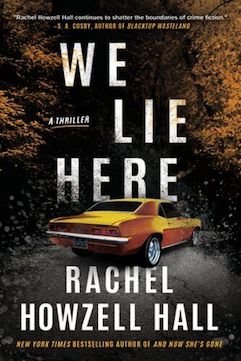
  • We Lie Here by Rachel Howzell Hall

    “Hall has long forged a singular path as a crime writer, blending an increasingly assured mastery of the genre with an abiding interest in lives too often relegated to the margins. Watching her peel back the layers of Palmdale to expose its diverse residents and problems feels particularly gratifying. Stellar.” - Los Angeles Times

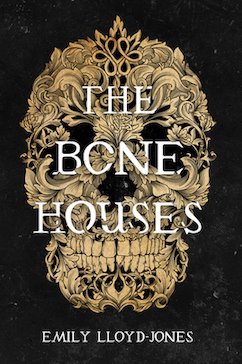
  • The Bone Houses by Emily Lloyd-Jones

    "[Emily] Lloyd-Jones creates an evocative world of magic...and plays with the conventions of fairy tales and horror.... The story serves as a meditation on the complicated relationship between the living and the dead, combining fear, humor and enchantment in equal measure...” - Publishers Weekly

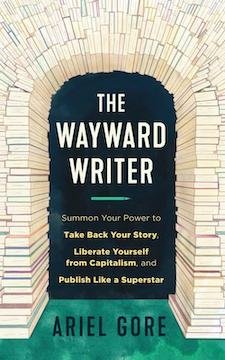
  • The Wayward Writer: Summon Your Power to Take Back Your Story, Liberate Yourself from Capitalism, and Publish Like a Superstar by Ariel Gore

    When your dream and creative passion is to write, how do you succeed without selling out or selling yourself short? In this follow-up to her national bestseller How to Become a Famous Writer Before You’re Dead, Gore offers a lyrical call to literary revolution paired with practical exercises. Through her own experiences and interviews with other authors, publishers, and agents, she shows you how to chart your own creative education, vanquish shame and imposter syndrome, cast off oppression, cast a spell on your readers, step into your unique powers, and build your own literary community where respect and honesty reign—and where you can be a writer and survive.  


Q&A with MCWC 2023 Faculty, Daniel B. Summerhill

We caught up with Daniel B. Summerhill, who will be leading the 2023 Poetry Workshop. You can find more about his work via his website or @bennysummerhill on Instagram and Twitter.

Daniel B. Summerhill is a poet and scholar originally from Oakland, CA. His work has appeared in Columbia Journal, Obsidian, Academy of American Poets and elsewhere. He is the author of Divine, Divine, Divine (Nomadic Press 2021), a semi-finalist for the Wheeler and Saturnalia Poetry Prizes and Mausoleum of Flowers (CavanKerry Press 2022). A two-time Pushcart and Best of the Net Nominee, he was invited by the U.S. embassy to guest lecture in South Africa in 2018 and earned fellowships from Baldwin for the Arts and The Watering Hole. He is the inaugural Poet Laureate of Monterey County.

What drew you to begin writing in your genre?

(condensed version) James Baldwin says you don't "become" a writer but rather, you discover you are and I like to think this is my case. Two folks are responsible for helping me "discover" that I was writer: I began writing in middle school. The first person who served as a catalyst for the poetry already being inside of me was my oldest sister, Tenesha Smith. She is a poet as well. When I was just 12 years old, I found a journal of poems she had written while she was in high school. All it took was for me to recognize what words were capable of. In particular, she wrote a poem called “Wishing Upon a 747” which detailed her realization that she wasn't wishing upon a star but a commercial airline. In the hood, stars aren’t visible, so her poem, a play on the “wishing on a star” idiom, showed me that I could also use my culture and my discourse to share that story, that vantage point.

Once I got to High School, I had an English teacher named Mr. Ross. We did a unit on poetry. We wrote poems and then we shared them with the class, mine was received well. The next day after class, he pulled me to the side, bought me a brand-new journal, and wrote in it: “so much talent, never waste it.”  Till this day, I still have that journal and I have been looking for Mr. Ross to let him know of the effect that day had on my career. It wasn't a huge gesture, but echoes the sentiment that small decisions of care can have monumental effects. This is true of poetry too!

What patterns, rituals or routines are crucial to your writing practice?

I'm not sure I have rituals or routines; however, a good cup of earl grey or chai tea with some lemon and honey always helps. Beyond a caffeinated drink, time to do nothing is a requirement of my writing practice. The bulk of my writing takes place outside of the page. So engaging people or places is always helpful. Beyond that, I also understand poetry as an artform of craftsmanship, so I'll often write a poem while I am actively resurfacing a kitchen table or repairing my backyard deck. I understand craft and decision-making through my hands, so use of my hands is a large part of my process.

Who/what are your key influences and sources of inspiration?

James Baldwin, James Baldwin, Jimmy Baldwin, Frank Ocean, Gary Clark Jr., Nina Simone, Kendrick Lamar, Miles Davis' album Kind of Blue ("Flamenco Sketches" in particular), Toni Morrison, Ocean Vuong, June Jordan and her relentless dedication to the "We," Langston Hughes, Truth Telling, Music and The Southern Ocean.

What do you love most about teaching writing?

I love revealing possibilities to students instead of offering constriction. I enjoy wrestling with language with them and helping them make the small decisions. I love using alternative means of teaching craft to connect with students who may not learn solely from "font and text." I enjoy empathizing and engaging in the refining of a story. Above all, I enjoy serving as a container for students to make a mess while searching for the poem in the rubble. 

What are you hoping participants of your MCWC workshop will get out of the time they spend with you?

I hope they understand that the poem is first a vehicle to some place else and that we must wield it recognizing this responsibility. I hope that they get an abundance of tools. I hope that they see each other and themselves more fully & freely and I hope that they leave excited about what a poem can be!

LAST CHANCE FOR FALL SEMINARS!

We have been busy this fall lining up our 2023 conference and hosting online seminars! In case you missed it, we’ve enjoyed seminars from Donna Freitas and Kate Folk and have Claudia Castro Luna and Anastacia-Renée coming up on November 5 and 12. If you haven’t yet, grab your spot!

Each seminar is two hours and includes a presentation, resources, and Q&A. They are also recorded, so if you purchase a ticket and aren’t able to attend as it happens, you will be emailed a link to view the recording within 24 hours.

These seminars constitute an important fundraiser for us to support our in-person summer conference, so please spread the word! Every registration helps us continue creating meaningful, prestigious, and high-quality literary programming for our community. We appreciate your support!

Silence and the Imagination with Claudia Castro Luna

Sir Isaac Newton rested under an apple when a falling fruit inspired him to formulate his theory of gravity. As writers, how do we sustain inspiration? Each of us may have a different response to this question but I'd argue that to seek silence is a good place to start. Silence is the blank page of the world. The song of trees, the music of things plays out in it. Silence nurtures the imagination, births theories, inventions, and metaphors. This is an exploration of how things come into our minds that later appear in our writing.

Claudia Castro Luna is an Academy of American Poets Poet Laureate fellow (2019), WA State Poet Laureate (2018 – 2021) and Seattle’s inaugural Civic Poet (2015-2018). Castro Luna’s newest collection of poetry, Cipota Under the Moon, is forthcoming April 2022 from Tia Chucha Press. She is also the author of One River, A Thousand Voices (Chin Music Press), the Pushcart nominated  Killing Marías(Two Sylvias Press) also shortlisted for WA State 2018 Book Award in poetry, and the chapbook This City (Floating Bridge Press). Her most recent non-fiction is in There’s a Revolution Outside, My Love: Letters from a Crisis (Vintage). Born in El Salvador she came to the United States in 1981. Living in English and Spanish, Claudia writes and teaches in Seattle on unceded Duwamish lands where she gardens and keeps chickens with her husband and their three children.

The Main Course: Poets Writing About Food Through With The Haibun with Anastacia-Renée

This is a fact.

If you get right

down to it the new

unprocessed peanut

butter is no damn

good & you should

buy it in a jar as

always in the

largest supermarket

you know.

-Eileen Miles

In this workshop we will examine our cultural, familial, spiritual and communal connections to food. We will read and discuss food poetry written by: Li-Young-Lee, Jane Wong,  and Eileen Miles. Participants will create a poem using aspects around or rooted in food. We will “cook” together by writing responses to recipes, historical facts about spices, and sharing stories about food. Workshop participants will leave with one draft poem.

Anastacia-Reneé  is a writer, educator, interdisciplinary artist, TEDx Speaker and podcaster. She is the author of (v.) (Black Ocean) and Forget It (Black Radish) and, Here in the (Middle) of Nowhere and Sidenotes from the Archivist forthcoming from Amistad (an imprint of HarperCollins). Recently she was selected by NBC News as part of the list of "Queer Artist of Color Dominate 2021's Must See LGBTQ Art Shows." Anastacia-Renee was former Seattle Civic Poet (2017-2019), Hugo House Poet-in-Residence (2015-2017) and Arc Artist Fellow (2020). Her work has been anthologized in: Home is Where You Queer Your Heart, Furious Flower Seeding the Future of African American Poetry, Afrofuturism, Black Comics, And Superhero Poetry, Spirited Stone: Lessons from Kubota’s Garden, and Seismic: Seattle City of Literature. Her poetry and fiction have appeared in, Hobart, Foglifter, Auburn Avenue, Catapult, Alta, Torch, Poetry Northwest, Cascadia Magazine, Ms. Magazine and others. Renee has received fellowships and residencies from Cave Canem, Hedgebrook, VONA, Ragdale, Mineral School, and The New Orleans Writers Residency. 

CATCHING UP WITH INTERIM BOARD PRESIDENT, LAURA WELTER

Photo by Mimi Carroll

How did you get involved with MCWC?

My friend Norma Watkins bought me a cup of coffee one morning a few months after I’d retired. She said her days on the MCWC board were coming to an end, and would I join up and take over her “volunteer manager” role? She said, “You’re not a writer, but you’re a reader.” I had heard Norma talking about this great conference for 30 years, so I knew it was something worthwhile.

What is your favorite thing about MCWC?

The Thursday evening gathering, when I ask conference attendees how their first day went. The positive responses have been unanimous.

What are you excited about for MCWC this year?

Meeting the faculty. They tend to be interesting people who feel ready to socialize in this setting. Our small town makes it an easy place to relax. No traffic jams to struggle through, so plenty of time to interact with other writers.

Where do you find creative inspiration? 

In my yard. I love succulents, especially, and grow all kinds of them. They look like sculptures and are self-reliant. My yard provides me with endless opportunities to be creative while discovering what nature has in mind for these plants. Then I throw in a smattering of yard art, if my collection of 41 bowling balls can be called a smattering.

What are you reading?

I am re-reading one of my favorites by Margaret Atwood - The Blind Assassin. It’s two stories in one, and she is masterful at weaving them together. This month my book group read The Personal Librarian by Marie Benedict and Victoria Christopher Murray about the black woman who passed for white throughout her amazing career as the curator for J.P. Morgan’s library. Another recent read, Joy Enough by Sarah McColl, was a well-crafted memoir that told of the end of her marriage, happening simultaneously with the end of her mother’s life. I look forward to meeting Sarah at our MCWC 2023 conference as she will be teaching the memoir workshop. Finally, I recently traveled to Maine and had some very long stretches to breeze though two John Grisham novels. Perfect for airport layovers!

SUBMIT YOUR WORK

Lake County publication, The Bloom, invites literary submissions. Contributing writers are paid. Submit your work here.

OTHER NEWS

MCWC 2022 participant Jasmine Sawers’ debut collection, The Anchored World, is now available to purchase via Rose Metal Press.

Don't forget, if you have news you'd like to share with the MCWC community, please send it to news@mcwc.org

FUNDRAISING FOR MCWC 2023 IS UNDERWAY!

As we finalize our plans for next year’s conference, we need your support! If you’d like to help support the organization or a scholarship, please consider making a donation. 

Stay tuned for our next 2023 faculty update in December. Until next time, happy writing!

- The MCWC Team

ANNOUNCING ONLINE SEMINARS!

In response to the demand for more MCWC programming all year round, we have put together a slate of incredible fall online seminars! 

Each seminar will be two hours and will include a presentation, resources, and Q&A. Registration is $40 each. Seminars will be hosted through Zoom video. Seminars will also be recorded, so if you purchase a ticket and aren’t able to attend as it happens, you will be emailed a link to view the recording within 24 hours.

These seminars also constitute an important fundraiser for us to support our in-person summer conference, so please spread the word about this series. Every registration helps us continue creating meaningful, prestigious, and high-quality literary programming for our community. We appreciate your support!

Saturday, October 15 - 12pm - 2pm PT

The War Still Within: Poems of the Korean Diaspora with Tanya Ko Hong

Tanya Ko Hong (Hyonhye) 고현혜, a bilingual poet, considers her writing a product of two minds. Weaving together cultures, her poetry gives voice to multiple generations of Korean and Korean-American women. Her collection The War Still Within contains 36 poems, including a well-researched, vividly imagined sequence of six poems based on experiences of Korean “comfort women,” who were forced into sexual slavery by the Japanese Imperial Army during WWII. Tanya will read “Comfort Woman” and we will discuss how history turns to poetry—how untold stories can be poetry and play. She will share tips for writing in both Korean and English, while exploring how translation affects the creative process. We will analyze her poem, “The Gap,” as an example of how different languages display different minds. Every writer in the seminar will leave with their own “gap” poem!

Saturday, October 22 - 12pm - 2pm PT

Write with Urgency: The Novel & The Memoir with Donna Freitas

We are all reluctant readers of a sort, and often the books we love most are the ones that grab us and won’t let us go. Just about any story can grab a reader this way if framed well. Whether writing a novel or a memoir, I believe that all of us need to find the urgency, the drive, the momentum in the story we want to tell, and in the storytelling itself. If we can locate the urgency in our characters’ lives, relationships, choices, if we can do this in our own story, then we can create a narrative that keeps readers turning pages. But part of locating that urgency involves digging deep inside ourselves, to discover the personal desires that are driving us to write. This seminar will focus on these elements of storytelling, the centrality of the personal when we decide on a new project. We'll also discuss how to set up the beginning of the novel or memoir to grab the reader and hold her there. 

Saturday, October 29 - 12pm - 2pm PT

Building Out a Writer’s Life with Kate Folk

The act of writing is a solitary endeavor, but a writing life is built from a dialogue between the solitary act and engagement with a larger community of writers and readers. Publishing is an important piece of this dialogue for many writers, though it is by no means the only one. In my experience, each piece builds on the others in unexpected and exciting ways. This seminar will explore avenues of getting your work out in the world, growing your writing community, and applying for opportunities that can support your creative practice. We’ll go over tips and best practices for submitting to journals, and discuss other opportunities, like writing residencies, conferences, reading series, and fellowships. We’ll also discuss how to create a writing life that feels meaningful and sustainable over the long term, amid the inevitable setbacks and rejections all writers experience. 

Saturday, November 5 - 12pm - 2pm PT

Silence and the Imagination with Claudia Castro Luna

Sir Isaac Newton rested under an apple when a falling fruit inspired him to formulate his theory of gravity. As writers, how do we sustain inspiration? Each of us may have a different response to this question but I'd argue that to seek silence is a good place to start. Silence is the blank page of the world. The song of trees, the music of things plays out in it. Silence nurtures the imagination, births theories, inventions, and metaphors. This is an exploration of how things come into our minds that later appear in our writing.

Saturday, November 12 - 12pm - 2pm PT

The Main Course: Poets Writing About Food Through With The Haibun with Anastacia-Renée

This is a fact.

If you get right

down to it the new

unprocessed peanut

butter is no damn

good & you should

buy it in a jar as

always in the

largest supermarket

you know.

-Eileen Miles

In this workshop we will examine our cultural, familial, spiritual and communal connections to food. We will read and discuss food poetry written by: Li-Young-Lee, Jane Wong,  and Eileen Miles. Participants will create a poem using aspects around or rooted in food. We will “cook” together by writing responses to recipes, historical facts about spices, and sharing stories about food. Workshop participants will leave with one draft poem.

Catching Up with Interim Executive Director Georgina Marie Guardado

How did you get involved with MCWC?

I attended MCWC’s poetry workshop in 2020 as a recipient of the Anne G. Locascio scholarship. The following year, I became a scholarship judge for the conference, then a Board member, Chair of the Diversity, Equity, and Inclusion committee, and an editor for the Noyo Review team. 

What do you do outside of MCWC?

Outside of MCWC, I am the Literacy Program Coordinator for the Lake County Library where volunteer tutors are matched with adult learners to improve their literacy skills. I am the Poet Laureate of Lake County for 2020-2024. I am also the Literary Editor for The Bloom, a news site in Lake County with a positive twist, a contributing writer for Antioch University’s Common Thread News, and President of WordSwell Nonprofit, a literary arts organization founded by Bay Area poets and writers brought together by Clive Matson, a Beat Generation poet and creative writing teacher who is looking to leave behind a haven for the literary and arts community. I also foster rescue dogs!

What are your goals for MCWC this year?

My goal is to continue expanding on the sense of inclusivity by welcoming faculty, participants, volunteers, and more, who are from all walks of life, including different racial and ethnic backgrounds, gender identities, ranges of physical capabilities, and different literary genres including writers who are in all different stages of being a writer. This is already what MCWC is built on, so I want to continue this while supporting the ideas and work of our current Board of Directors, sustaining members, faculty, and participants.

What are you reading right now?

Too many books at one time! I have as many TBR lists as I have To-Do lists. Right now I’m slowly reading The Hurting Kind by Ada Limon, because I don’t ever want it to end. I’m also reading Everyday Mojo Songs of the Earth by Yusef Komunyakaa. Next will be books by all of our 2023 faculty!

“LIFE-GIVING. REFRESHING. RENEWING”: OUR SCHOLARSHIP WINNERS ON WHAT MCWC 2022 HAS MEANT TO THEM

In case you missed it, MCWC 2022 was back in person and was an overwhelming success! The 33rd annual Mendocino Coast Writers’ Conference was a vibrant and energetic three days of workshops, seminars, open mics, and readings that carried on great MCWC traditions and brought many new writers and friends into our inclusive writing community. 

Thanks to the generosity of our donors, MCWC was able to fund 23 scholarships for this year’s conference, which was held in person from August 4 - 6. Our increased housing stipends allowed us to welcome writers from all over the U.S.A. to the conference this year - from New York City to Hawaii!

Doug Fortier

This year, in memory of Doug Fortier, a group of writers fundraised the Doug Fortier Memorial Scholarship for Speculative Fiction, which was awarded to Muriel Leung.

Muriel, who will be joining MCWC as faculty in 2023, came in from Oakland. She said, “I was very excited to be in a workshop space again and to have the opportunity to work on my short story collection. The scholarship enabled me to afford an experience that would have prevented me from attending otherwise.” 

She left the conference feeling “inspired.” 

“I'm grateful for my class with Ayize who encouraged us to think about our writing life alongside our day jobs, to always insist on making time for it. While other conferences may push the agenda of always needing certain opportunities to make writing happen, MCWC is very much of the attitude that writing happens all the time and that we need not put it off anymore. This encouragement is invaluable to me.”

Ayize Jama-Everett and Muriel Leung at MCWC 2022 - photo by Mimi Carroll

Natalie Rose-Gove, who won the Thank You To Healthcare Workers Scholarship and participated in the Emerging Writers’ Workshop said, “My experience at MCWC was fabulous. Life-giving. Refreshing. Renewing. A conference which squashed the real mess of imposter syndrome. I met lifelong acquaintances who I hope to see next year. I saw the Pacific Coast in a way I never knew existed. I wept at the beauty and grandeur of what felt like a movie. I could not have been here without the scholarship.” 

Natalie and the Emerging Writers’ Workshop at MCWC 2022 - photo by Mimi Carroll

Ebony Haight, who was selected for a Terry Connelly First Taste Scholarship for the Master Class, said that she is “grateful for the experience.” 

Ebony and the Master Class Workshop at MCWC 2022 - photo by Mimi Carroll

“I can confidently say that without the support I received I would not have attended the conference. I was glad to see the real diversity of conference participants, and was proud that I added to that mix. The housing stipend allowed me to choose to stay close by, at a place where I felt comfortable, which contributed to my overall ability to participate in, enjoy, and reap the full benefits of the conference.” 

She says, “I'm so glad spaces like yours exist.” 

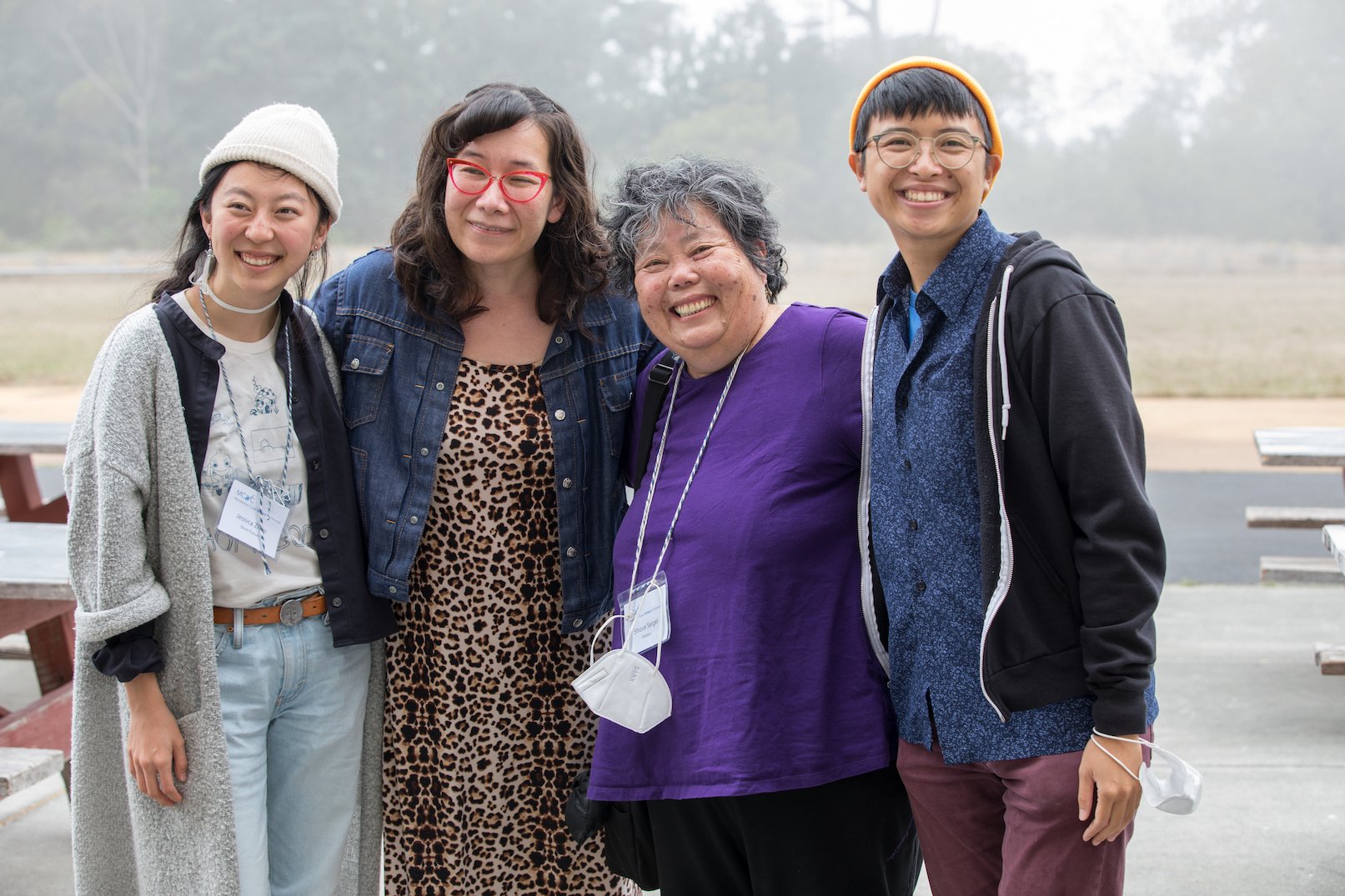
Jessica and new friends at MCWC 2022 - photo by Mimi Carroll
Jessica Z. who received an Albertina Tholakele Dube Scholarship said that “it was a transformative experience.” 

“Had it not been for the housing stipend, I absolutely would not have been able to attend MCWC 2022, which was my first-ever writing conference. I left the conference feeling the way I move through the world both held and affirmed in the way that comes from being seen by others I find kinship with, and transformed. My world has expanded by so much since attending.”

She describes her experience as “life changing.” 

“I am so thankful for the intimate and care-filled nature of MCWC, and each day felt a lifetime in that it was full and dense with so many insightful and thoughtful teachings, comments, lines of prose, and questions I'm still processing. I was also touched by the intergenerational friendships I could make, with high schoolers who I saw myself in, and with folks in their 30s/40s/50s/60s who demonstrated so much rigor and joy in their writing and in their lives, who modeled to me who I hope to be like as I progress through my life. Life-changing, I've felt certain in my practice, but there's a sense of ease and grounding I feel after MCWC, that there is nothing for me to do but to keep going (writing, reading, listening, editing).”

Designed to make our Conference accessible to writers from diverse backgrounds and to reward writing of outstanding merit, our scholarships are largely funded by generous individual donors. If you would like to fund a scholarship, please contact us. You can find details on how to make a general donation in support of the MCWC here. Thank you for your support!

We did it!

Dear MCWC followers, 

We returned to an in-person format for our 33rd Annual Mendocino Coast Writers’ Conference and it was a success well worth the wait. We had a vibrant and energetic three days of workshops, seminars, open mics, and readings that carried on great MCWC traditions and brought many new writers and friends into our inclusive writing community. 

Photo credit: Mimi Carroll

We send resounding gratitude for our 2022 faculty (not in order of appearance): Faith Adiele (Memoir Master Class), Pablo Cartaya (MG/YA), Naomi Hirahara (Mystery), Ayize Jama-Everett (Speculative Fiction), Miah Jeffra (Emerging Writers), Lydia Kiesling (Novel), Michelle Peñaloza and Georgina Marie Guardado (Poetry), Karen Tei Yamashita (Keynote Speaker); Jonah Straus (Literary Agent), Jade Chang (Author), Mary Burns (Author), and Lorraine Hee-Chorley (Historian).

Photo credit: Mimi Carroll

Our Pathways to Publishing and Pitch Panels were especially enjoyed by participants and faculty. We can’t forget to mention the incredible food options provided by The Brickery, Pilón Kitchen, Chef Oscar and her team, and more. 

We had the pleasure of hosting over 60 participants who came from many different locations around the United States and beyond, including the Mendocino Coast, Ukiah, Eureka, Lake County, New York, Illinois, Hawaii, Oregon, Colorado, Canada, and more!

Photo credit: Mimi Carroll

Here are some reviews from our wonderful 2022 participants:

  • “Right from the registrars, organizers, MC's, faculty, board and cooks, the whole conference is put on spectacularly well.”

  • “MCWC — which I chose by the randomness of it still having spots available — is my first writers’ conference and I think my experiences here will stay with me for the rest of my life! It may have been chosen at random, but I think fate also played a hand because I think this was exactly where I was supposed to be at this point in my life.”

  • “I was appreciative and still am about the care and concern regarding COVID. Eating outside and wearing masks indoors was a great way to try to keep us all safe. Had it not been that way, I would have felt very anxious. Thank you for not only setting the COVID protocols, but for modeling and enforcing them.”

  • “The conference provided a fantastic set of offerings with a great mix of ways to engage - I plan to return and recommend it to folks in my various writing communities since I think it was an excellent event other writers would appreciate.”

Photo credit: Mimi Carroll

We couldn’t have done this without our participants, faculty, volunteers, donors, and sustaining members. 

Volunteers help bartend at MCWC 2022
Photo credit: Mimi Carroll

Our Executive Director, Lisa Locascio Nighthawk, and Operations Manager, Alexander Matthews, were instrumental in the planning of this year’s conference, as were our Board of Directors, Kara Vernor, Laura Welter, Aime McGee, Anna Levy, Eliana Yoneda, Michelle Peñaloza, Vincent Poturica, Sheba Brown, Georgina Marie Guardado, Justine Gomes, and Elaina Erola (not in order of appearance). 

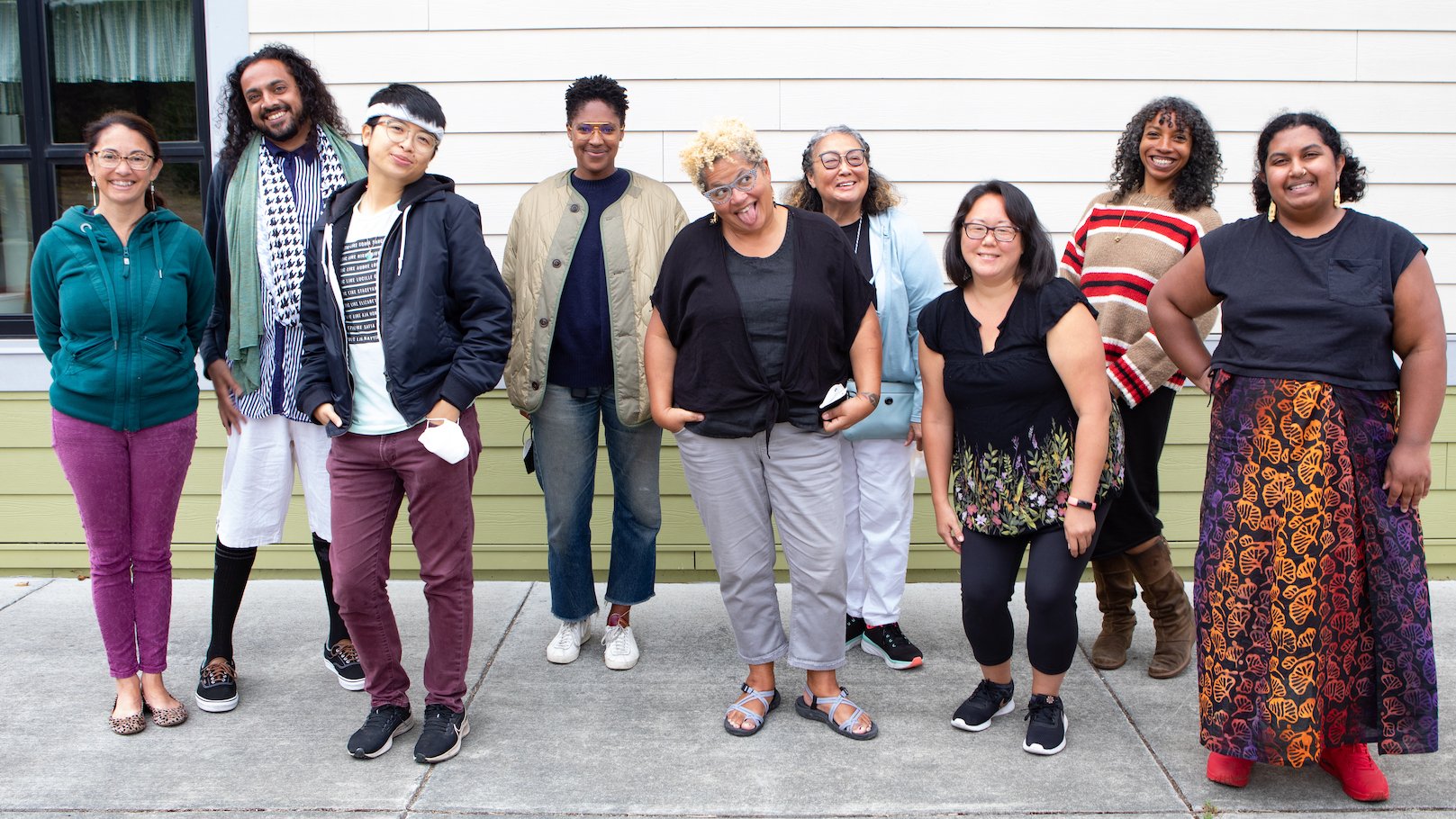
MCWC 2022 Board at the Conference

Photo credit: Mimi Carroll

We also warmly welcome our new Interim Executive Director, Georgina Marie Guardado and Operations Manager, Patty West!

Georgina Marie Guardado is the Poet Laureate of Lake County, CA for 2020-2024, and a Poets Laureate Fellow with the Academy of American Poets. She is the Literary Editor for The Bloom, a contributing writer for Antioch University’s Common Thread News, and the Literacy Program Coordinator for the Lake County Library. In 2020, she was an Anne G. Locascio scholar with the Mendocino Coast Writers’ Conference, and a Brereton Scholar for the Napa Valley Writers’ Conference in 2021. Her work has appeared in The Bloom, Noyo Review, Poets.org, Humble Pie Magazine, Gulf Coast Journal, Yellow Medicine Review, and The Muleskinner Journal, and is forthcoming in Colossus: Freedom and Two Hawks Quarterly. 

Patty West is a producer and arts educator based in California. For 10 years, she led filmmaking programs at the American Film Institute and now serves as the Digital Course Director for the Sundance Institute. As a Producer/Executive Producer, her feature film credits include Some Girl(s) (2013), Addicted to Fresno (2015), and They (2017). West is a Chicago native and holds a B.S. from Northwestern University, an M.F.A. from the AFI Conservatory and an Executive M.B.A. from Quantic School of Business & Technology.

Photo credit: Karen Lewis

We are already looking forward to next year when the 2023 Mendocino Coast Writers’ Conference will run from August 3-5, 2023. We’ve been receiving wonderful feedback and many good ideas for how we can continue to improve our Conference and its offerings. We are delighted to announce that we have already confirmed seven faculty members for 2023, including our Keynote Speaker and Master Class instructor Ariel Gore, Daniel B. Summerhill (Poetry), Nayomi Munaweera (Novel), Ploi Pirapokin (Speculative Fiction), Sarah McColl (Memoir), Carvell Wallace (Nonfiction), and Muriel Leung (Emerging Writers)!

Stay tuned for more updates!

Two scholarships to honor Doug Fortier at MCWC 2022
In April 2022, our community lost our friend Doug Fortier, a long-time Conference participant and advocate for writing on the Mendocino Coast. Two scholarships to this year’s conference have been created in his memory.

The WMC Doug Fortier Scholarship

Doug played a central role in the Writers of the Mendocino Coast, the local chapter of the state-wide organization, the California Writers' Club. In honor of Doug’s love for MCWC and the Coast’s writing community, WMC sponsored a scholarship for one of its members to attend the conference. It has been awarded to the poet Karin C. Uphoff.

Karin is author of Botanical Body Care; Herbs and Natural Healing for your Whole Body (2007), and writes a monthly column, Words on Wellness for Lighthouse Peddler Newspaper. She has published poetry in Noyo River Review (2015) plus Writers of the Mendocino Coast anthologies Hooked (2018), Erosion (2021) and Borders (2022).

Karin writes: “Although my career in healthcare continues to require I write informational non-fiction, the language of my heart is poetry. I am creating a chapbook and eager for guidance and the exchange of feedback from the diversity of voices that MCWC offers.”
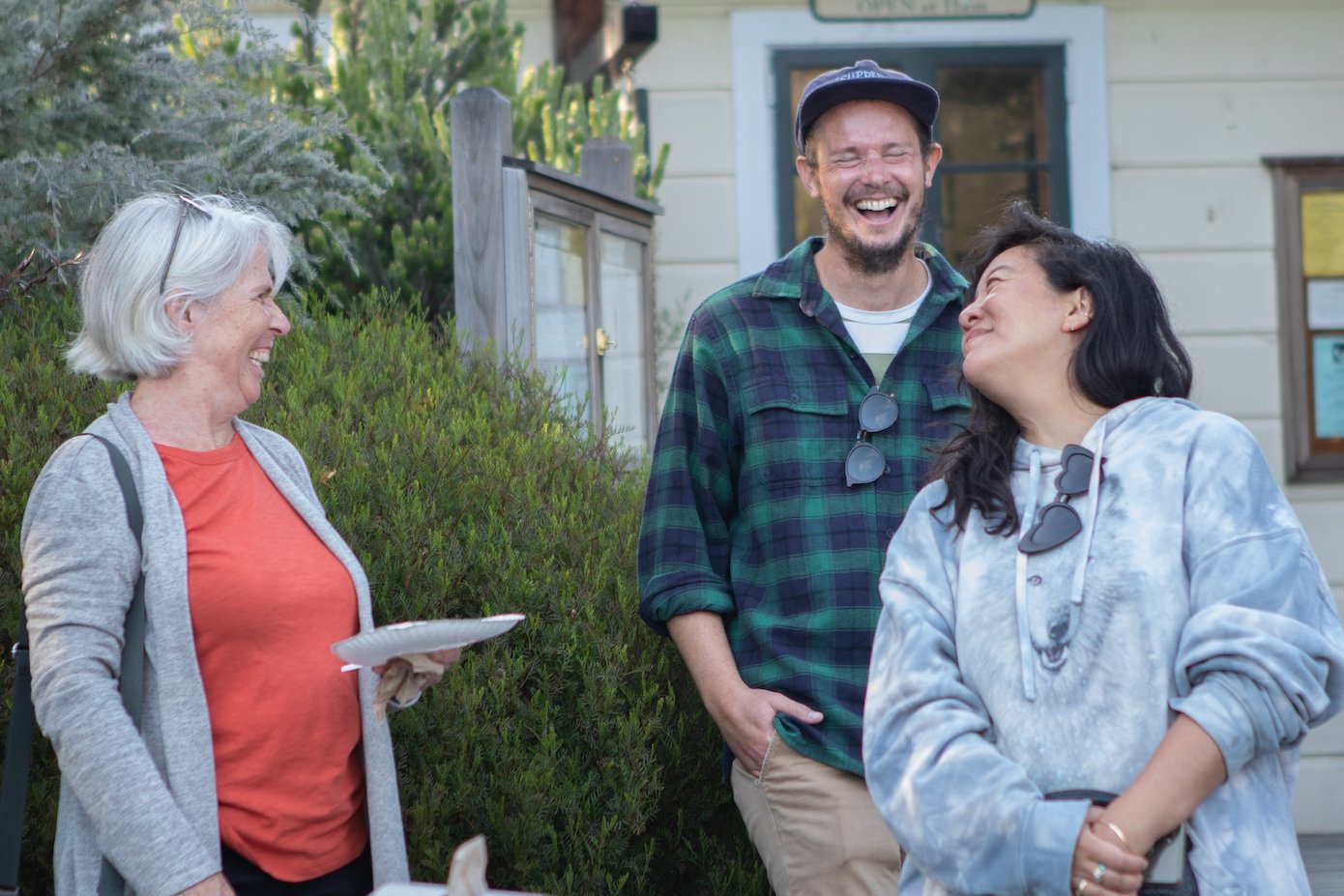
The Doug Fortier Memorial Scholarship for Speculative Fiction

In memory of Doug, a group of writers fundraised the Doug Fortier Memorial Scholarship for Speculative Fiction. It was awarded to Muriel Leung.

Murel is the author of Imagine Us, The Swarm (Nightboat Books), Bone Confetti (Noemi Press), and Images Seen to Images Felt (Antenna) in collaboration with artist Kristine Thompson. She is a recipient of fellowships to Kundiman, VONA/Voices Workshop and the Community of Writers, and currently serves as the Poetry Co-Editor of Apogee Journal. She received her PhD in Creative Writing and Literature from University of Southern California where she was an Andrew W. Mellon Humanities in a Digital World fellow.

Muriel writes: “I am excited to work on a linked speculative short story collection set in New York City during the sudden appearance of weekly acid rainstorms. In the midst of this ongoing disaster is a queer love story between two Asian American women, navigating the world of ghosts, heartbreak, lost opportunities, and the space between life and afterlife. I look forward to developing this collection further with the support of a writing community at MCWC.”

Thank you to generous donors who funded the Doug Fortier Memorial Scholarship for Speculative Fiction:

Jane Armbruster
Cassia Brill
Debbie DeVoe
Jamie Ericson
Chris Hall
Leata Holloway
Shirin Leos
Alicia London
Cameron Lund
Amy Lutz
Marjorie Miles
Lisa Manterfield
Cady Owens
Ginny Rorby
Jenn Siebert
Carole Stivers
Dana Wagner
Mike Winn
 

Congratulations to both scholarship winners! We hope you’ll join them at the conference from August 4-6; registration closes on June 30.

Remembering Doug

We are collecting remembrances of Doug Fortier to be published in the MCWC literary magazine Noyo Review. Please send your remembrance—in any writing or visual format—to noyoreview@gmail.com by July 1. 
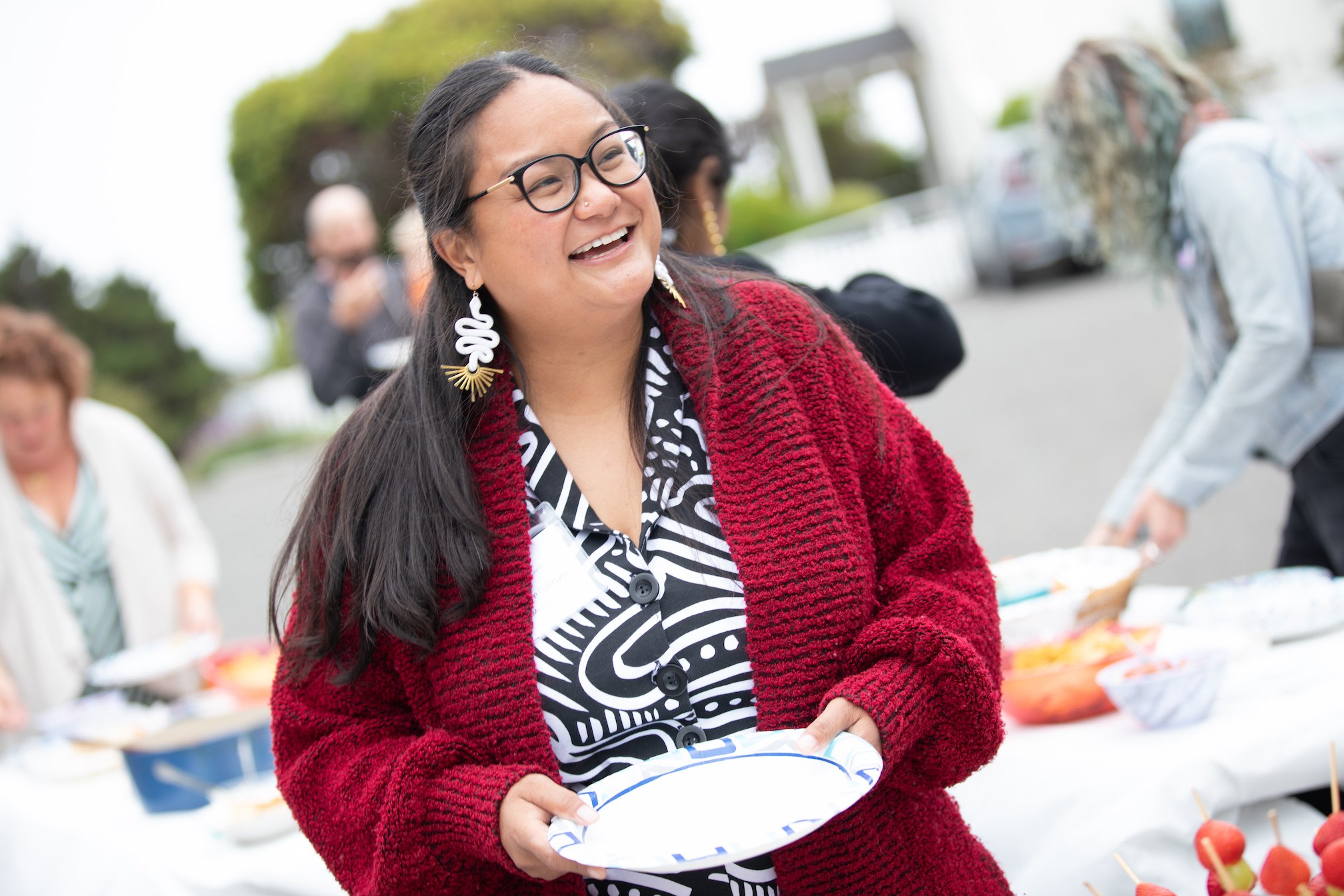
CONGRATULATIONS TO THE MCWC 2022 SCHOLARSHIP WINNERS
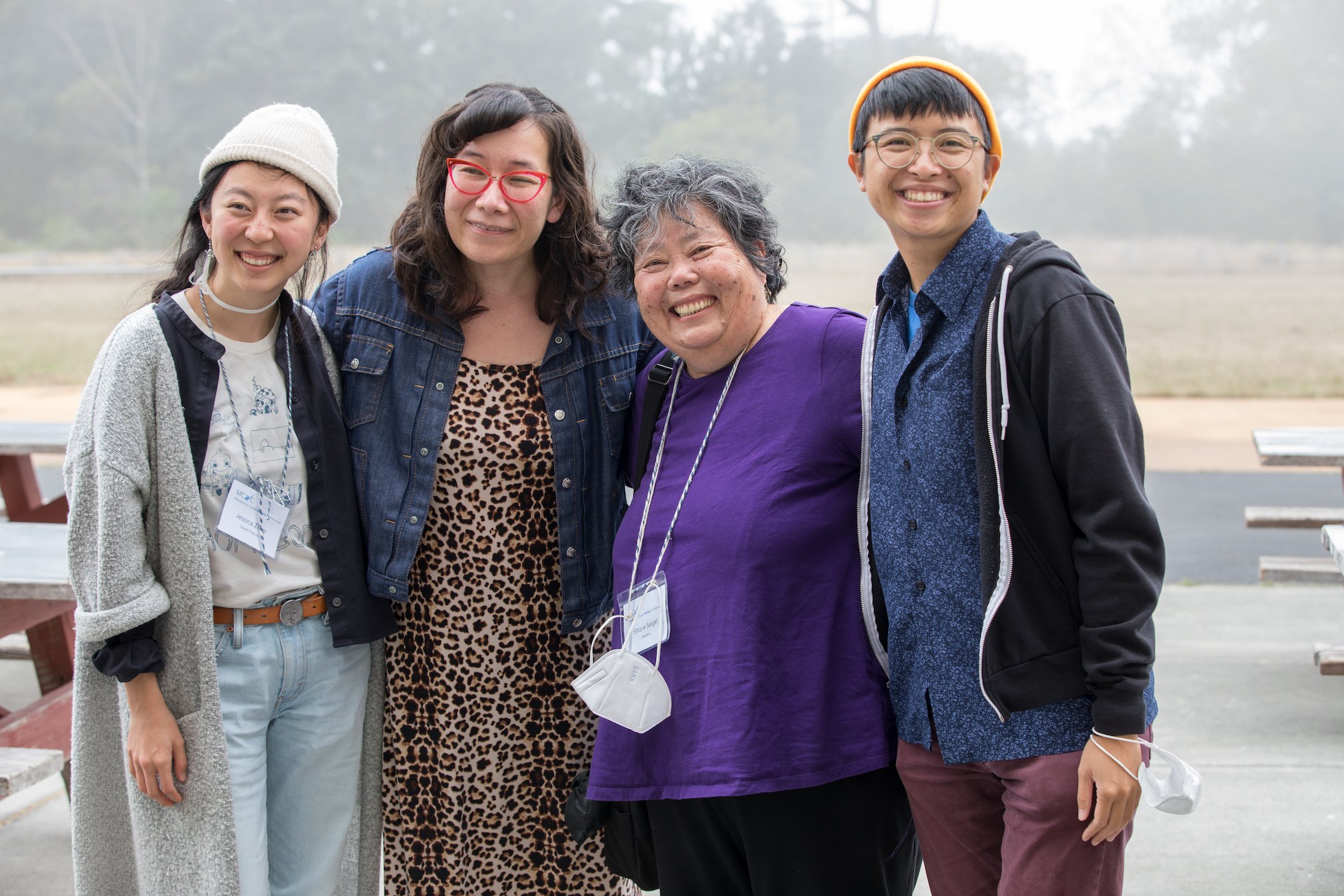
We are thrilled to welcome this year’s scholarship winners to MCWC 2022! We received a record number of scholarship applications and the following writers were selected out of a highly competitive field. We asked them to tell us a little about their current project and/or what they hope to get out of their conference experience. If you would like to join these writers at MCWC, be sure to register for the workshop of your choice by June 30.
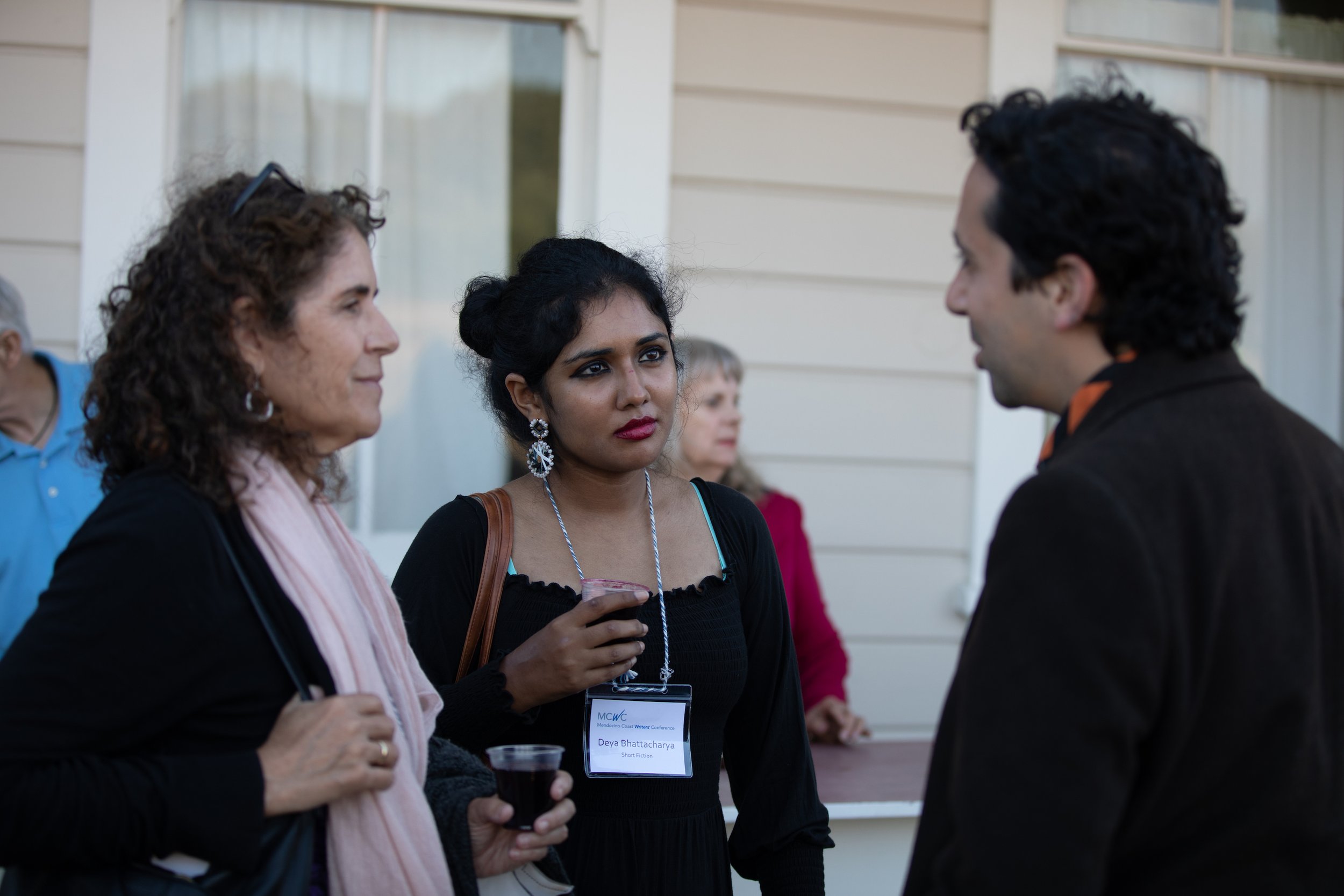
Scholarships strengthen the MCWC community by bringing in talented individuals who may not be able to attend otherwise. These opportunities would not be possible without the support of our generous donors. We cannot thank them enough!
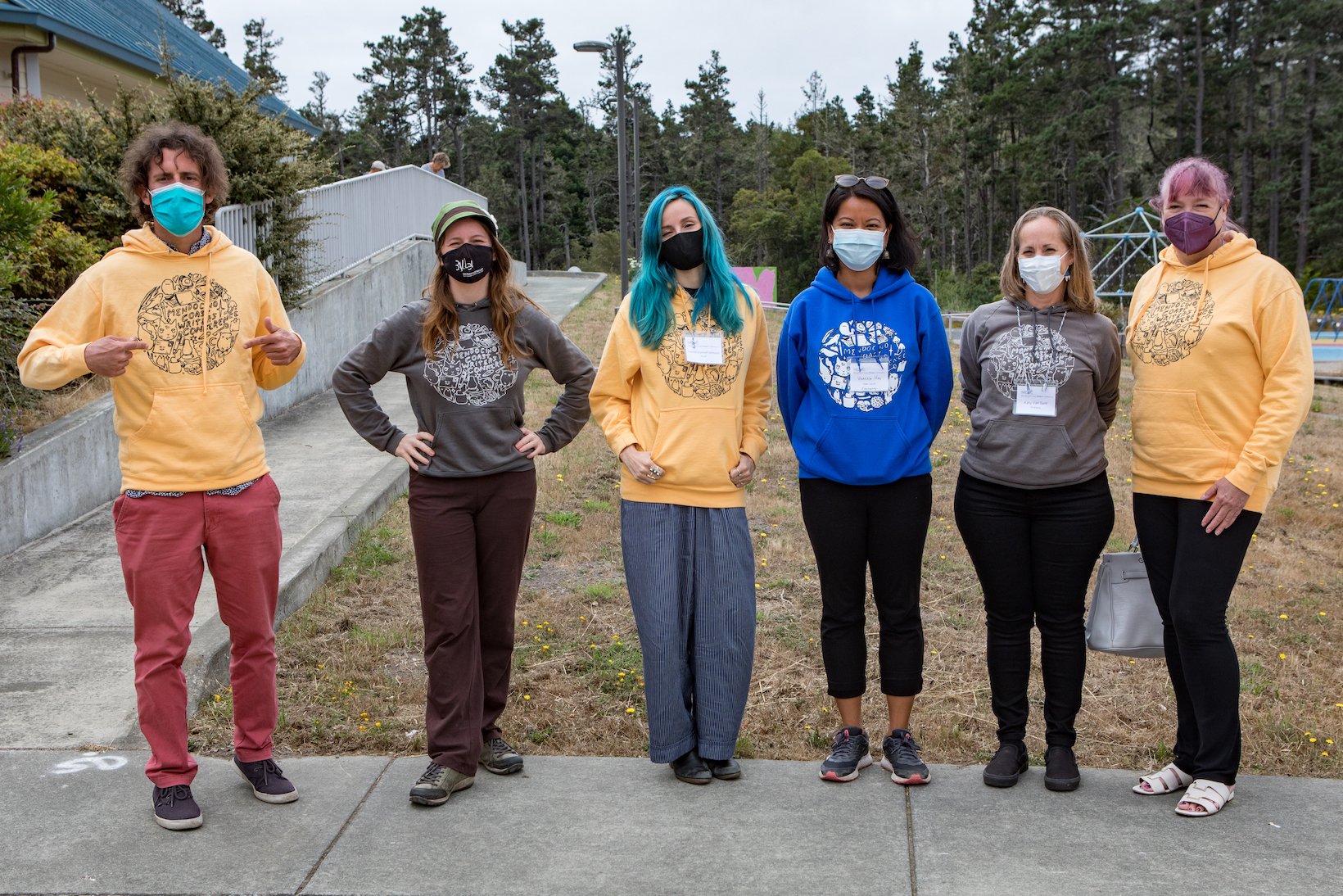
ALBERTINA THOLAKELE DUBE SCHOLARSHIP FOR YOUNG WRITERS

We were delighted to award this scholarship to 12 young writers.

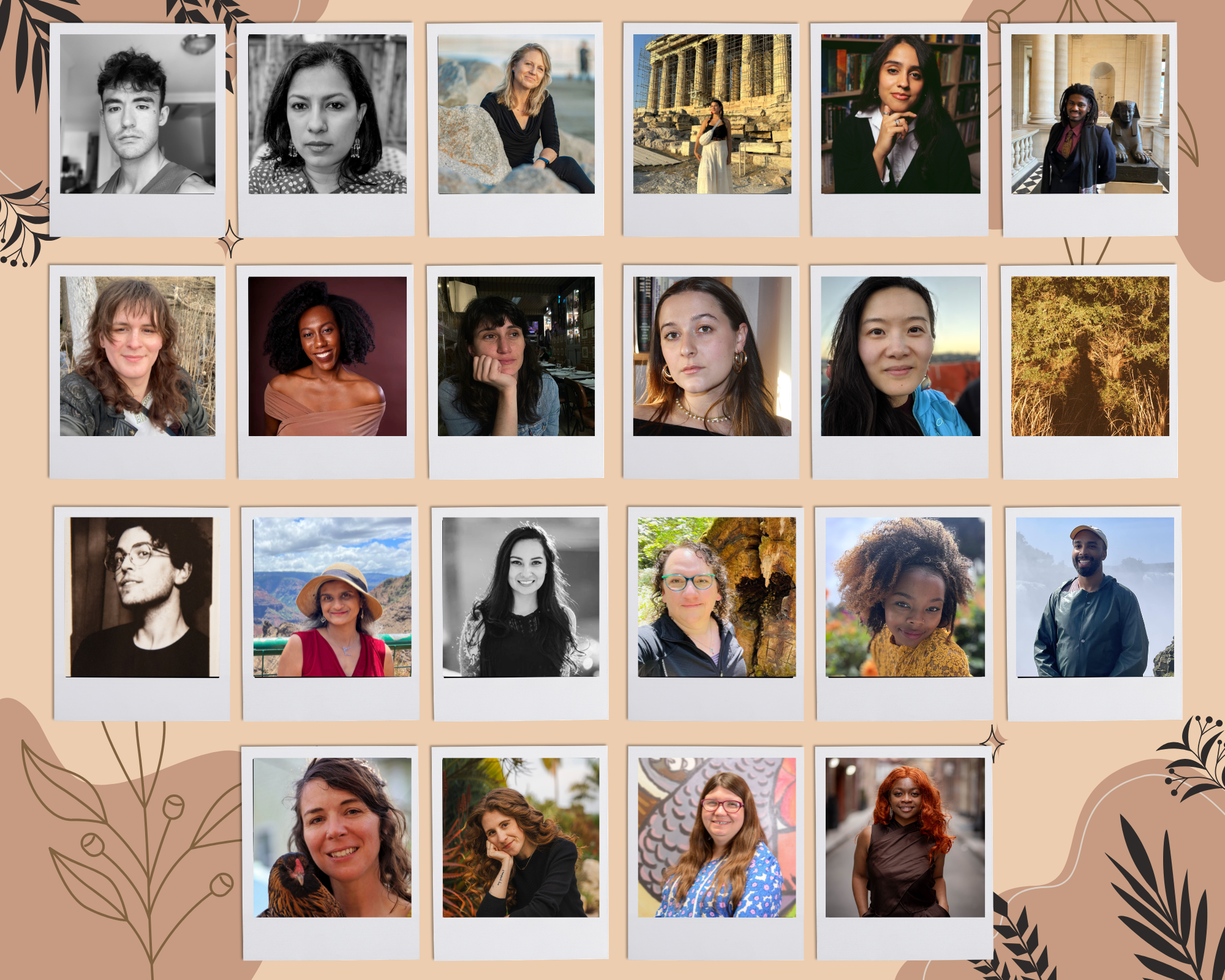
Clockwise, from top left: Kathryn Hargett-Hsu, Julie Ae Kim, Alice Ehlers, Kaitlin Harness, Sidney Regelbrugge, huiying b. chan, Veasna Has and Ryan Artes

Kathryn Hargett-Hsu is an MFA candidate in poetry at Washington University in St. Louis. Born and raised in Alabama, she is the recipient of fellowships from Kundiman, Fine Arts Work Center in Provincetown, the Bucknell Seminar for Undergraduate Poets, Belgrade Art Studio, and UAB. Most recently, she received the Barksdale-Maynard Prize in Poetry and was a finalist for the 2021 Betty L. Yu and Jin C. Yu Creative Writing Prize. Find her in TaiwaneseAmerican.org, Muzzle Magazine, Cherry Tree, Best New Poets, The Adroit Journal, Rust + Moth, and elsewhere.

Kathryn says: "I'm working on my first poetry collection, CROCODILE, which centers the Asian American woman body and metamorphosis. At the conference, I hope to investigate ecopoetics and draw inspiration from the beautiful Mendocino Coast. I'm excited to join the MCWC community and to learn from everyone this summer!" 
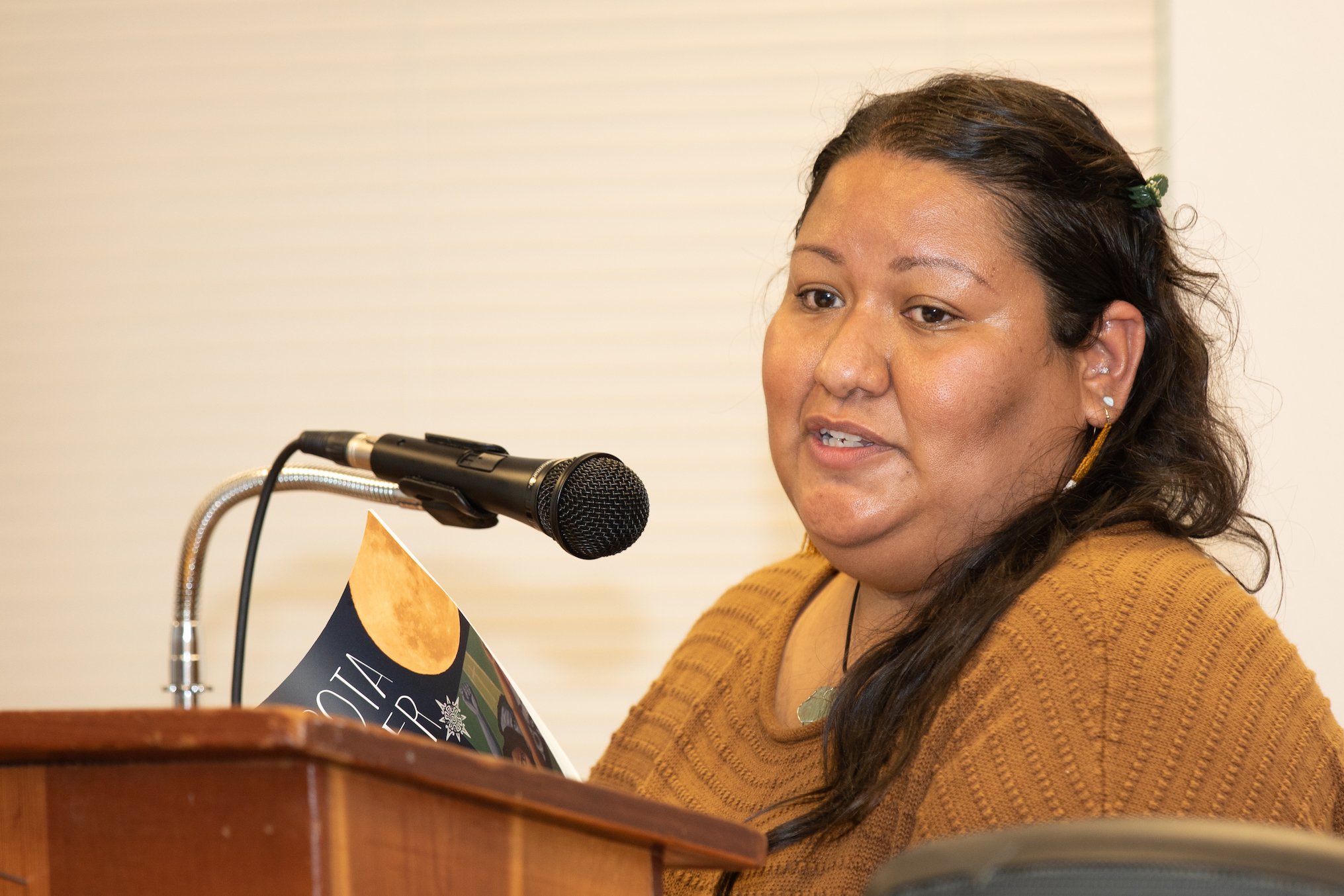
Julie Ae Kim is an organizer and writer from Queens, NY. She is an incoming MFA student in Creative nonfiction at Ohio State University. She is the co-founder of the Asian American Feminist Collective and the co-editor of the Black and Asian Feminist Solidarities Project at The Margins. Currently, she is working on a memoir on sexuality, desire and Asian America.

Alice Ehlers is a writer and published author born and raised in Mendocino County. She is currently a sophomore at the Mendocino Community High School, where she has the freedom to pursue her aspirations of building a life out of her writing. 

Alice writes: “Recently, I've been trying my hand at writing short fiction. I am also really excited to workshop a couple of my poems, as well as meet other young and ambitious writers!“

Kaitlin Harness is a senior at Developing Virtue Girls' School at the City of Ten Thousand Buddhas, where she is currently studying AP English Literature and Composition after realizing a deep interest having taken AP English Language the previous year. 

Kaitlin writes: “Having started my study of literature and poetry, I am very excited to learn from experienced writers and gain more depth in my own writing. I look forward to meeting everyone and reaching new poetic heights in such a creative environment.”

huiying b. chan is a visionary poet, cultural worker, and educator from Brooklyn, NY on Lenape Land. huiying’s writing explores what is forged in diaspora, and charts how we heal from societal wounds. huiying’s work is published in Best New Poets 2021, The Offing, and The Margins. He has received fellowships from Asian American Writers’ Workshop, Kundiman, VONA/Voices, DreamYard, and elsewhere. As a Chancellor’s Graduate Fellow at Rutgers University-Newark, huiying is working on a manuscript that explores matriarchal legacies and self-remembrance. For more, visit huiyingbchan.com.

huiying writes, “At the conference, I plan to work on ‘Speak to Me in Toisanese,’ a hybrid poetry and prose memoir project that uses Toisanese words as an organizing principle to tell the stories of matriarchs and elders in my family across generations. In its storytelling, it is a project that preserves the culture of a language decreasing in speakers with each generation.”

Veasna Has is a writer and nonprofit administrator based in Queens, New York, by way of Long Beach, California. She was a 2020 Kundiman Mentorship Lab Fellow in creative nonfiction and is most interested in storytelling through written, cinematic, and dance mediums. Her writing has been featured in 433 Mag and the Asian American Feminist Collective's First Times collection. Her work explores themes of family and cultural identity, rooted in her Cambodian American upbringing and an ongoing effort to define what that means.

Veasna writes: "I'm looking forward to meeting and connecting with other writers after a bit of a hiatus from producing work, and to enjoying a creative recharge by the sea, on my home coast."

Ryan Artes is an adoptee, activist, novelist, and poet. He self-published his debut poetry chapbook, After Midnight, in May 2021. He hosts two monthly events for adoptees only, a generative writing workshop and an open mic. Ryan is simultaneously creating and pursuing his DIY MFA.

Ryan writes: “I will continue to develop my third poetry manuscript, which offers a model of healing for queer Indian adoptees. After a lifetime of seeking such a model, I have realized one does not exist. I aim to begin filling this void by sharing my narrative.”

Sidney Regelbrugge is a Junior at Point Arena High School.

Sidney writes: “Currently, I am the Mendocino County Youth Poet Laureate and will be in to February 2023. With my writing in my current Laureate position, I will be publishing a collective book of poetry, as well as having countless county-wide readings. I hope to expand my writing into a different genre of literature. I am also quite looking forward to being around all sorts of writers.”

Jessica Zhou (she/they) is a writer, researcher, and artist rooting in San Francisco. She'd love to talk to you about digital diaspora, each of our cyborgnesses, and finding one another online. Her writing has been supported by Kundiman, Kearny Street Workshop, Southern Exposure, and Friends with Benefits.

Jessica writes: “I’m so excited to dedicate time and attention to hanging out and learning with fellow writers! My speculative non/fiction collection involves nonlinear narratives of dreams and memories, so I'm looking forward to honing in on writing that can be truth-telling and myth-making all the same in Jean Chen Ho's short fiction workshop, and in the rest of the incredible faculty's afternoon seminars.”

Frej Barty is an aspiring filmmaker, cinematographer, and storyteller. Always looking for new opportunities to learn filmmaking, he plans on making movies that inspire. He interviewed Jamie Heinemann of the MythBusters. He is also a roller skating champ, Dungeons and Dragons lover, and nerd.

Frej writes: “For this conference I plan on working on the script for a film. There is not point to all of the wonders of cinematography without a good story to tell. I am super exited to see what the conference can do to the script, and how the film will turn out. The goal isn’t to make the best film ever, but to develop skills for me and others who will work on the project.”

Lizeth Granados is currently enrolled at the Mendocino Community High School.

Lizeth says: “I write a quiet lot of poetry when I have very intense emotions. Whether it be feeling sad, nostalgic or happy. I plan to work on poetry, and I hope to get better at it as well as learn new ways of creating it. I’m very excited to meet everyone and hear about their poetry.”

Phannarai Inkun is a writer and a student going into their Sophomore year. Originally born in Thailand, they have been writing for years because of their love for storytelling. They have written in many different genres such as romance, fanfiction, post-apocalyptic, and fantasy. They would love to try their hand at more.

Phannarai writes: “I hope to get more writing experience out of this workshop. My love of storytelling stems from the fact that it creates strong communities and lasting connections between readers.”

From left: Phannarai Inkun, Lizeth Granados, Frej Barty and Jessica Zhou

TERESA CONNELLY FIRST TASTE SCHOLARSHIP

This scholarship has been awarded to two writers who are attending the conference for the first time.

Ebony Haight (left) and Tom Gammarino (right).

Ebony Haight is a 2022 Periplus fellow and graduate of The University of Oregon writing program, with work appearing in KQED, Good Company Magazine, and This Long Thread: Women of Color on Craft, Community, and Connection. You can find her on the web at ebonyhaight.substack.com

She’s currently working on a speculative memoir about transracial adoption and will use her time at the conference to workshop and refine this project.

Tom Gammarino’s most recent novel is King of the Worlds. Recent shorter works have appeared in The Tahoma Literary Review, Bamboo Ridge, The Writer, Entropy, SFS Stories, and Hawai'i Pacific Review, among others. He holds an MFA in Creative Writing from The New School and a PhD in English from the University of Hawai'i, and he teaches Science Fiction, Magical Realism, and Jazz Literature to high school kids in Honolulu.

Tom writes: “I have been teaching and writing science fiction for many years, though all of my schooling was focused on literary fiction (which I also love). I'm looking forward to working with Ayize Jama-Everett, unapologetically, on genre stuff.”

Anne G. Locascio Scholarship

This scholarship was awarded to two writers whose work has grappled with intergenerational trauma, family history, and/or homelessness.

Ida Soon-ok Hart (left) and Danny Thanh Nguyen (right).

Ida Soon-ok Hart is a Korean War baby currently living in Los Angeles.  She is a retired educator writing her memoir.  She was a Writer’s Digest competition winner in 2017, 2018 and 2019, and has been published in 3 anthologies for women of color and will be included in Nonwhite and Woman to be released in September 2022.  She volunteers sponsoring women in recovery from alcoholism and addiction.  She can be contacted by email:  Idahart1@gmail.com

Ida writes: “During the 2022 Mendocino Writers Conference, I will be workshopping excerpts from my memoir The Camel Hump Mountains of Sangok Dong, the part focusing on my year of teaching English in Seoul while searching for my mother.  Also, maybe, a new short story I’m currently writing, “This One Was Born in Zion” (Psalms 87:6The Lord will write in the register of the peoples: ‘This one was born in Zion.’) upon finding out the Korean Registry had removed my name from their books.”

Danny Thanh Nguyen (they/she/he equally) has published stories and essays in GQ, them. magazine, The Offing, The Journal, Gulf Coast, and elsewhere. In the last year, they have been awarded fellowships and grants from San Francisco Arts Commission, Caldera Arts, Djerassi Resident Artists Program, and Ucross Foundation. Her column on kink and leather culture appears in the international social network platform Recon. Find him on social media @engrishlessons.

Danny writes: “Because I've been solely focused on completing my queer kinkster memoir/essay collection, I'm excited to shift gears at MCWC reconnecting with fiction by returning to my Southeast Asian folklore-inspired magical realism story collection, which I haven't touched in over two years.”
Nella Larsen Memorial Scholarship

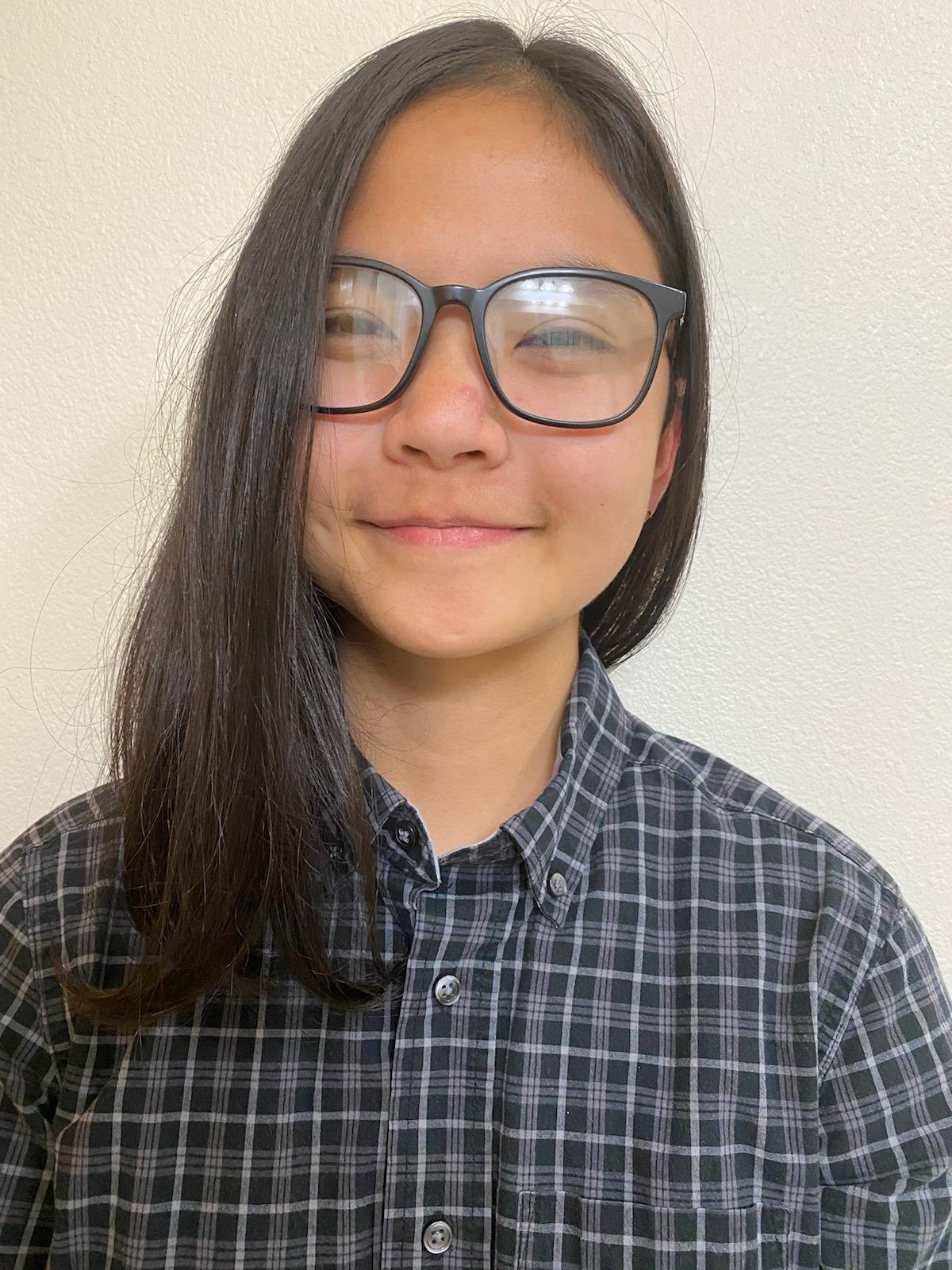
Maryam Ghadiri is a researcher, a life-coach and a storyteller. As a researcher, she studies and writes about how children interact with nature and learn science. As a life coach, she works with mission driven individuals who want to have a bigger impact and transform their life by finding their voice and redefining their personal stories. Her love for writing and storytelling grew after her immigration to the United States about 10 years ago, when she found her healing in the process of writing about her childhood memories, documenting her experiences and feelings in a new academic system and exploring her identity in a new land that now she calls “home”.

Currently, she is in a journey of writing her memoir called Alien from Iran in which she shares the story about her identity as a first generation Iranian immigrant and how it was formed and transformed during her time in a land far away from the place she was born and raised. In this conference, she is excited and grateful to meet amazing writers, co-create a creative space and learn from everyone and enjoy every moment.

Marion Deeds Scholarship

Keish Kim (she/her/hers) is a first-generation transnational feminist writer. Keish’s writing focuses on (dis)ability and citizenship, and she studies literary and cultural texts by queer and undocumented im/migrant artists. In her spare time, you can find her in the ceramic studio, in front of the oven, or going on bike rides. She is also a co-host of A Revolutionary Love Letter podcast (https://linktr.ee/migrantloveletters). 

Keish writes: “I am excited to be in a community with writers across genres & forms. I am looking forward to workshopping my writing in Jean Chen Ho's Short Fiction workshop.”

Thank You To Healthcare Workers Scholarship

Natalie Rose Gove is a writer, poet, and performer who works in acupuncture, caregiving, and waits tables for the brunch crowd. A former public school teacher and mentor, she is currently working towards receiving her MFA from Queens University Charlotte, where she is studying three genres in their Latin American Track. She will be attending a writing residency this July in Buenos Aires, Argentina. She is currently working on sifting through piles of papers under the bed and planning her move this summer to New Orleans.

Natalie writes: “I am revising pieces from a collection of short nonfiction that focus on trauma in the roots and landscapes of memory from childhood until now. I am excited to work with Anastacia-Reneé on cutting into these words and creating a hybrid work that will become a healing memoir.”

Frances Andrews

Sarah Wang is has written for the London Review of Books, American Short Fiction, BOMB, The New Republic, n+1, and Harper’s Bazaar. She is a 2021-2022 PEN America Writing for Justice Fellow, a Tin House Scholar, the winner of a Nelson Algren prize for fiction, and a former fellow at the Center for Fiction, the Asian American Writers’ Workshop Witness Program, and Kundiman’s Mentorship Program. See more of her writing at wangsarah.com and follow her on Twitter @sarah_wwang.

Octavia Butler Scholarship for Speculative Fiction

Jasmine Sawers is a Kundiman fellow and Indiana University MFA alum whose fiction appears in such journals as AAWW's The Margins, Foglifter, SmokeLong Quarterly, and more. Their work has won the Ploughshares Emerging Writers' Contest and the NANO Prize, and has been nominated for the Pushcart Prize, Best of the Net, and Best Small Fictions. Their debut collection, The Anchored World, is forthcoming through Rose Metal Press in fall of 2022. They serve as an associate fiction editor for Fairy Tale Review. Originally from Buffalo, Sawers now lives outside St. Louis. Learn more at jasminesawers.com and @sawers on Twitter.

Jasmine writes: “As I prepare to write a very queer, very magical, and very Thai American novel, I am eager to learn more about the craft of worldbuilding in speculative fiction, which hasn't been a focus in my writing education thus far. I'm also looking forward to being in community with everyone at the conference and visiting California for the first time.”

Ginny Rorby Scholarship for MG/YA Fiction

Described by one professor as “the Great Iconoclast,” Logan Silva was born and bred in Mendocino County. Amazing teachers and writers passed their love of the written word to Logan, and he tries to pass that love on to his students in middle school, high school, junior college, and university. Historical studies have taken Logan to Cal, Stanford, Dartmouth, and Yale, but he never lost his love of storytelling. 

Logan writes: “I plan on using the conference to soak up as much craft as I can from an amazing field of experts and fellow writers. I’m moving from education writing and curriculum to the young adult fiction genre and hope that the conference will help me bridge that gap.”

James I Garner Scholarship

Raquel Baker earned a PhD in English Literary Studies from The University of Iowa. She specializes in Postcolonial Studies and 20th- and 21st-century African literatures in English. She received an MFA in Creative Writing from Mills College. She is currently an Assistant Professor of Postcolonial and Transnational Literatures at California State University Channel Islands, where she teaches creative writing, literature, and Africana Studies courses. 

Raquel says: “I am currently working on a cyberpunk flash fiction collection and look forward to engaging the tools, community, and space to move the project forward.”

Norma Watkins Scholarship

Jordan Alam is a queer Bangladeshi-American writer, performer, and therapist based out of Seattle. Their short stories and articles have been published in The Atlantic, SeattleMet, Autostraddle, CultureStrike Magazine, Entropy, and The Rumpus among others. They have performed on stage and facilitated workshops on embodied writing nationwide, most recently at Kundiman, Hugo House, and Town Hall Seattle. Their debut novel is a story of family secrets told from the points of view of four Bangladeshi American women in the aftermath of their mother's unexpected death.

At the conference, they'll be doing something completely different—embarking on an early draft of their memoir about transnational adoption and uncovering one's own history in fragments. Learn more about their work at their website: www.jordanalam.com.

Doug Fortier Memorial Scholarship for Speculative Fiction

In April 2022, our community lost our friend Doug Fortier, a long-time Conference participant and advocate for writing on the Mendocino Coast. In memory of Doug, a group of writers fundraised the Doug Fortier Memorial Scholarship for Speculative Fiction.

From Queens, NY, Muriel Leung is the author of Imagine Us, The Swarm (Nightboat Books), Bone Confetti (Noemi Press), and Images Seen to Images Felt (Antenna) in collaboration with artist Kristine Thompson. She is a recipient of fellowships to Kundiman, VONA/Voices Workshop and the Community of Writers, and currently serves as the Poetry Co-Editor of Apogee Journal. She received her PhD in Creative Writing and Literature from University of Southern California where she was an Andrew W. Mellon Humanities in a Digital World fellow.

Muriel writes: “I am excited to work on a linked speculative short story collection set in New York City during the sudden appearance of weekly acid rainstorms. In the midst of this ongoing disaster is a queer love story between two Asian American women, navigating the world of ghosts, heartbreak, lost opportunities, and the space between life and afterlife. I look forward to developing this collection further with the support of a writing community at MCWC.”

Top row (from left to right): Maryam Ghadiri, keish kim, Natalie Rose Gove

Middle row (from left to right): Sarah Wang, Jasmine Sawers, Logan Silva

Bottom row (from left to right): Raquel Baker, Jordan Alam, Muriel Leung


If you would like to join the scholarship winners at this year’s conference, you can register now at mcwc.org. If you would like to support our scholarship program, please consider donating to MCWC at mcwc.org/donate.

MCWC 2022: Registration is now open!

Registration is now open for the 33rd annual Mendocino Coast Writers’ Conference (MCWC). After two years of being held online, the conference will be held again in-person on the Mendocino Coast.

“We have a phenomenal line-up of acclaimed teachers for this year’s conference,” says MCWC Executive Director, Lisa Locascio Nighthawk. The faculty includes Pablo Cartaya (Middle Grade/Young Adult), Claudia Castro Luna (Poetry), Jean Chen Ho (Short Fiction), Lydia Kiesling (Novel), Ayize Jama-Everett (Speculative Fiction) and Anastacia-Reneé (Emerging Writers). Naomi Hirahara will be teaching the conference’s first-ever Mystery Workshop and Faith Adiele will facilitate a Memoir Master Class. Special guests include keynote speaker and UC Santa Cruz professor emerita Karen Tei Yamashita, winner of the 2021 Medal for Distinguished Contribution to American Letters from The National Book Foundation, and literary agent Jonah Straus.

Registration for MCWC 2022 is open until June 30, 2022. Writers of all ages and levels of experience are encouraged to register (click here to do so). Registration is open to all and requires no application or writing sample. Tuition is $675 for the three-day conference, which includes morning writing workshops (limited to twelve students), afternoon seminars on the craft of writing and the writers’ life, open mics, pitch panels, blind critique panels, opportunities for one-on-one consultations with literary agents and authors, and evening readings by faculty. The registration fee also covers breakfast and lunch for each day of the conference, along with a celebratory dinner on the final night.

All MCWC 2022 participants and faculty are required to provide proof of COVID-19 vaccination. Masks must be worn at all times indoors. Meals before and after the morning workshops will be outside.

 “We are monitoring the constantly evolving public health situation closely. Additional safety protocols may be implemented in accordance with state and county guidelines,” adds Locascio Nighthawk.

  •  To register for the Mendocino Coast Writers’ Conference registration, click here. Questions can be directed to Operations Manager Alexander Matthews at info@mcwc.org.

"Exploring the multiplicity of the human condition": A Q&A with Pablo Cartaya

Pablo Cartaya. Photograph by Zoe Milenkovic.

We chat to acclaimed author Pablo Cartaya, the faculty of the MCWC 2022’s Middle Grade/Young Adult Workshop, “The Villain Speaks”.

Who/what are your key influences and sources of inspiration?

My inspiration always begins with my abuela and abuelo. They are the foundation for my work and how I represent their legacy through culture, family, and community in the stories I write. And my kids are a parallel inspiration—they teach me so much about the world. And they're funny!

What drew you to begin writing books for kids and young adults instead of for grown-ups?

I don't necessarily write with the aim to tell stories for young people. I write to tell human stories and young people are often my protagonists. Sometimes I write adult protagonists but I don't change my approach to the craft. Exploring the multiplicity of the human condition is what I'm most fascinated by and writing characters who are young people are great vessels for that creative exploration.

What's the secret to a great MG/YA novel?

Read. Write. Revise. Revise. Revise.....Repeat.

How does being fully bilingual influence your writing and creative practice?

It influences every aspect of my creativity. It's like breathing air. It took me a long time to feel I had permission to write sentences akin to the way I think—where thoughts often begin in one language and end in another.

What do you love most about teaching writing?

One of my favorite parts of teaching writing is watching students get that glimmer in their eyes when a story emerges. Helping them discover the hidden secrets of that story and then watching them fly off with it is an incredible feeling. I've had several students get story ideas in my class that turned into full novels and became published.

What are you hoping participants of your MCWC workshop will get out of the time they spend with you?

That they feel free to explore the endless possibility of their creativity and come away with a renewed sense of where their stories will go next.

About Pablo’s workshop

What’s the deal with the antagonist in your story? Why do they make the life of your protagonist so miserable? Is it merely to exist or is there something more profound going on? How do we provide nuance to our protagonist’s foe? In this workshop, writers will immerse themselves into the world of villains to get an understanding of why they do what they do. The workshop will be aimed at spotting static villains and learning to avoid stereotypical depictions of the antagonist. This class will consist of writing the villain monologue. Writing the villain’s backstory. And imagining the life of the villain without the protagonist getting in their way. Sample texts will be explored as well as several writing exercises.

About Pablo

Pablo Cartaya is an internationally acclaimed author, screenwriter, speaker, and educator. His work has been featured in the New York Times, Washington Post, NBC, and on Oprah’s Booklist. Pablo has worked with Disney, Apple+, and Sesame Street on projects adapted from television series and movies. In 2021, he served as a judge for the National Book Award in Young People's Literature and is currently an associate professor in the low residency MFA creative writing program at the University of Nevada. He calls Miami home and Cuban-American his cultura. Novels include: The Epic Fail of Arturo Zamora, Marcus Vega Doesn’t Speak Spanish, Each Tiny Spark, and the upcoming climate dystopia The Last Beekeeper. Awards and Honors include: 2020 Schneider Family Book Award Honor, 2019 ALSC Notable Book, 2018 American Library Association’s Pura Belpré Honor, 2018 Audie Award Finalist, and 2018 E.B. White Read Aloud Book Award Finalist.

"The hero is the cult of the dead": A Q&A with Speculative Fiction faculty, Ayize Jama-Everett

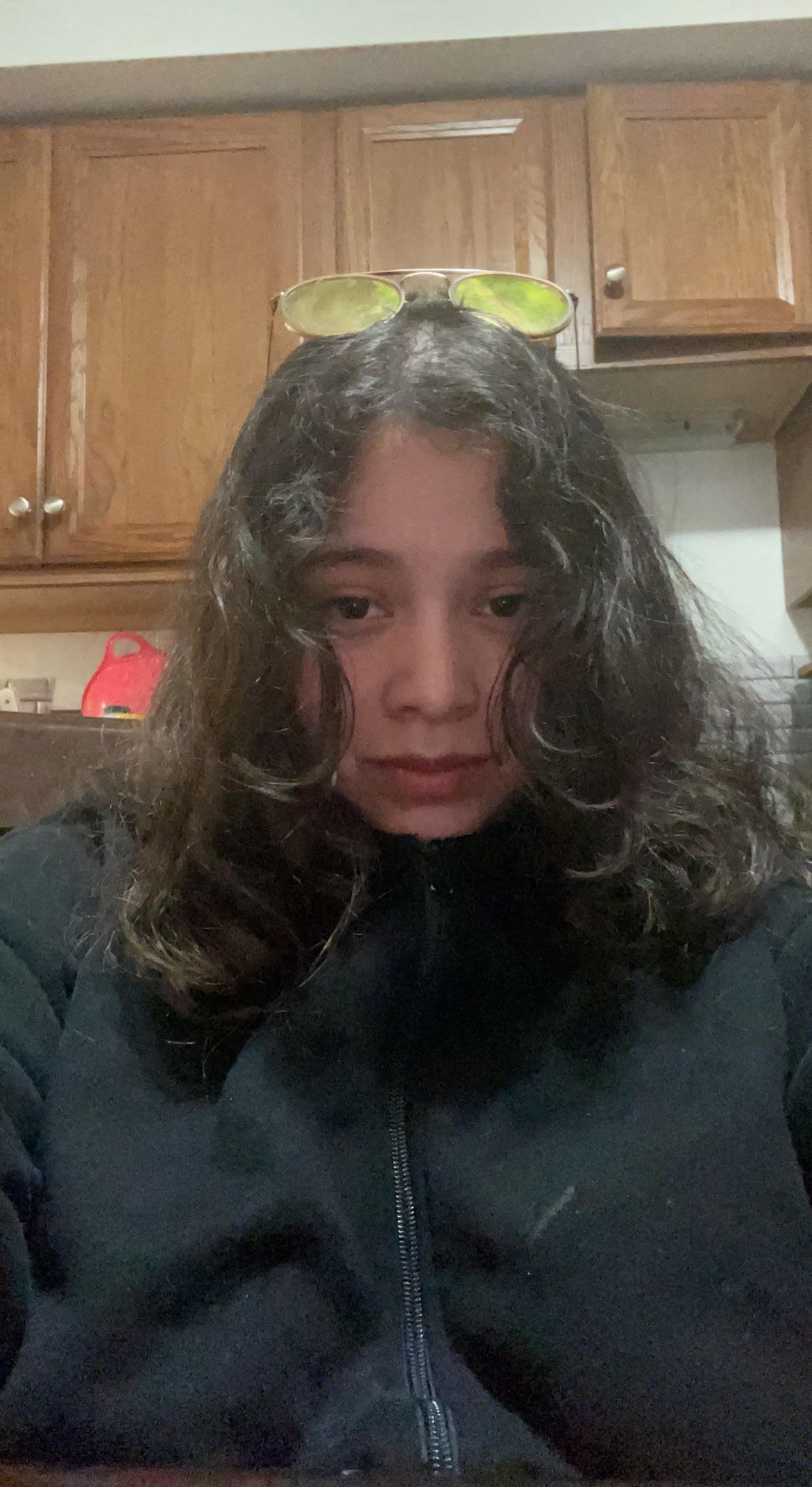
Conference Assistant Frannie Deckas chats to Ayize Jama-Everett, instructor of the Speculative Fiction workshop at MCWC 2022, POV/Voice and Worldbuilding: The way through.
What are some of the people, places, things, and ideas that inspire you?

I've got my heroes like everyone, but the unifying factor in them all is an inability to live a life prescribed to them. I'm inspired by those who take ownership of their lives and don't let norms, trauma, or conventional thinking dictate their moves in the world. In terms of places, I've heard about an island full of dogs that sounds amazing. I like deserts and secluded large lakes, quiet places. But I also grew up in NYC, so I'm a sucker for good nightlife, at least I was before COVID. Now the thought of being around a mass of strangers is a bit daunting to me. Still, though, the magic of the dance floor is always on my mind.

What does your ideation process look like for a new book?
Percolation, percolation, percolation + mind-numbing tedium called typing X burst of inspirational jotting/reading said accumulations of letters on the page, bracketed by an inability to stop=A novel, short story, or graphic novel. That makes sense, right? I write. When I have enough down that I think it makes sense, I read it. Then I figure out what else to write. Rinse and repeat until someone else tells me it's done. I think there's a belief that I've helped to perpetuate, that writers are self-aware and know what we're doing most of the time. The older I get, the more seasoned in the game, I realize that the best writing comes from being open to being wrong about everything I'm doing but doing it anyway. For instance, I have a cult novel, my cult novel. My obsession with intentional communities has persisted since I was four-years-old. I have at least 200 pages of a good cult novel. But just last week, after realizing that someone I'm very close to has been in two cults in her life, I realized my angle on the novel was wrong. So those 200 pages will probably never come to light. Something will come out of them, but if I try and make those pages my cult novel, I'll be doing a disservice to what I know to be true. What's that? Ideation? Trying something and screwing up? Being open to failure? Bad writing? I call it my process :)

Sometimes, when writing, voice can feel like it wants to hang on into the next work. How do you make the shift in voice between one story to the next?

Usually, through POV (point of view), omniscient narrators are no longer in favor. Still, I'll say that most narratives I start have that god-like overview of the world, the character's psyche, and the future of the narrative (though that often time tends to be false). What I burrow into, what makes it fun for me, is to strip away all that insight by focusing on one character or a set of characters. It's like a flashlight that can only cast so much brilliance in front of them. Like us all, the characters fumble in the dark, pretending they're aware of the world around them in total. When in actuality, we're all just trying to give ourselves a little bit of security with the lie, "It's not that dark in here." Voice, for me, comes from the tone of that lie and the amount of luminance surrounding the character. I tend to write intimate stories, with characters doing their best to pay attention only to what's in front of them. It's the world that invades their space, not the other way around. So the character's voice is determined by how they deal with the unknown. The narrative's voice is determined by how much knowledge I choose to convey to the reader.

What's your best advice on writing flawed but redeemable characters?

The hero is the cult of the dead. Please don't have them seek out redemption. Hercules killed four mythical creatures, captured three more, and stole a goddess girdle to atone for killing his wife. Is that redemption? I guess for the times, it was. So make redemption culturally specific and intriguing if you're going to do that. I don't need redeemed characters. I need characters who make choices, hard choices and live with the consequences. I like Giles Corey from the Crucible asking for more weight. I like Marv from Sin City getting electrocuted only to ask, "Is that all you got?"

Flawed characters are characters. They're human. And while audiences like to read about how a character changes over time, I don't think every novel needs to mimic therapy; by this, I mean it doesn't have to be a standard arc of improvement for a character. We can revel in their flaws, or we can be disgusted by them, but they've got to have those dings in their armor so we can relate to them. This is why for the most part, I don't like Superman. It's not the ubiquity of his powers; it's the fact that he never has a moral failing. It's why I love Daredevil. A blind lawyer goes out at night dressed like a devil and fights the wealthiest and most wealthy people his lawyering can't touch. Show me someone stuck in a constant moral compromise, and you show me someone as flawed as we all are. That's the beginning of piquing my interest: Kerouac's Dean Moriarty the perfect example. A flawed character never to be redeemed but at the same time a literary zeitgeist.

What, if anything, do you translate from your own life into the lives of your characters?

Damn near everything! What else am I to draw from? Even if I do my research, it's how the study hits my ears, eyes, and heart. The fun part of writing, which some have taken too far, is to live a life worthy of drawing from. That's why we're about to have a flood of novels about being locked down, locked in, pandemic length relationships, and the tentative nature of the social contract. :) We've all been living through the same thing globally.

How do you build on POV to create your story world?

No world exists without characters to experience it. The POV allows the writer to zoom in or out of any particular aspect of the world that impresses the character. But just as all knowledge is subjective, so too is the focus. What may seem like a close read to a first-person narrator maybe be frivolous to a third person. I find it interesting that these POV's come in and out of style. I'm sure there's some macro psychological reason as to why, but damned if I can call it.

I had an opportunity to write up an interview in the second person. It was of Ahmed Best, the dancer, singer, musician, and all-around great guy who, among other roles, played Jar Jar Binks. That role haunted him and caused a lot of people to question his standing in the Black artistic community. I'll confess that I had some of those questions myself. Man, I felt like an asshole after hanging out with that man. He was so charming, so kind, so generous. He shared what it had been like to him to be ostracized by both the Black community (those that knew it was him playing the role and disagreed with its depiction) AND the Star Wars fans. He became suicidal briefly. Thankfully, he got the help he needed and is now thriving and being his usual excellent self.

Anyway, the interview was for a class Tom Lutz was teaching, then editor in chief of the L.A. review of books. I wanted people to feel Ahmed the way I thought him, to experience his highs and lows the way I did. So I pitched writing the interview in the second person. "You're Ahmed Best. You're fifteen and your mother has just recorded another album. You commit yourself to creating an album of your own". That sort of thing. Tom Lutz was not a fan, but he hit me with the "Prove me wrong" like all great teachers. So I wrote it up...and he loved it. That's the power of the proper POV. It adds the dimension of the Lacanian Real, the inarticulate, to a narrative. It's also a convention of the time, the metastructure through which the audience expects the narrative.

About Ayize

Ayize Jama-Everett was born in 1974 in Harlem New York. He has traveled extensively in Northern Africa, Northern California, and Oaxaca, Mexico. He holds three Master’s degrees (Divinity, Psychology, and creative writing), and has worked as a bookseller, professor, and therapist. He has a firm desire to create stories that people want to read. He believes the narratives of our times dictate future realities; he’s invested in working subversive notions like family of choice, striving when not chosen to survive, and irrational optimism into his creations. Three of his books have been published by Small Beer Press, The Liminal series, with another on the way. He’s published a graphic novel with noted artist John Jennings, entitled The Box of Bones, and has forthcoming a graphic novel adaptation of The Count of Monte Cristo coming from Abrams Press. Shorter works can be found in The Believer, LA Review of Books, and Racebaitr.

"Memoir heals us as individuals and transforms our society": A Q&A with Master Class Faculty Faith Adiele

A conversation with the acclaimed memoirist and travel writer Faith Adiele who will be teaching the MCWC 2022’s Memoir Master Class, Finding Memoir Everywhere.

Your memoir, Meeting Faith, recounts your experiences as Thailand’s first black Buddhist nun. In addition to being central to the book’s contents, are there any ways in which spirituality has shaped your writing(s)?

My experience with Thai Buddhist nuns allowed me to see that my spiritual work was my creative work was my political work. I don’t need to separate my different passions, the way we tend to do in the West. Mindful practices also taught me to face the very things I’m afraid of, head on, which is what I want my writing to do for myself and others. Writing transforms and heals, which makes it by definition a spiritual practice, and both memoir and travel writing (my main genres) are influenced by the shape of spiritual narrative.

What patterns, rituals or routines are crucial to your writing practice?

Alas, I’m not one of those disciplined writers with a set, daily practice—I’m a binge writer. I need methods of accountability—deadlines, a solid writing partner, a regular writing group. I’m wary of the privilege embedded in prescriptive writing advice (“have a special chair,  a beautiful view, write it by hand every day, blahblahblah”), but I agree with the underlying importance of ritual. I may do a little meditation first and immerse myself in the world I’m trying to evoke by playing music, reading aloud what I’ve written thus far—really feeling the words in my body, and surrounding myself with photographs, maps, timelines. 

What are the greatest challenges you’ve encountered when writing memoir, and what tools/approaches have you used to overcome them?

All writers, but especially memoirists, and even more, those of us who don’t fit in neat boxes, struggle with self-doubt: does anyone care about my story? I’m always being told that my writing is too complex, but simple, linear storytelling just doesn’t fit my story or my brain. Because I’m not just interested in the story, but in how it’s being told, the structure and form it wants, I’m a really slow writer. One of the ways I’ve handled this is to write about it—to turn what stops me from writing into an essay about writing.

You’ve said that memoir is the ultimate civic act. Tell us more about this view.

What I absolutely love about memoir is that it democratizes story. By enabling people who have been intentionally erased from the master narrative (BIPOC, women, LGBTQIA folks, the incarcerated, immigrants, disabled folks, neurodivergent thinkers, combat vets, marginalized folks, etc.) to tell their stories, we are participating in democracy. And this civic engagement creates a more authentic, rich, nuanced, multicultural, national narrative.

What do you love most about teaching memoir?

Well, as you know, I believe that memoir heals us as individuals and transforms our society, so what could be more rewarding than being a steward of that? I came to teaching through my social justice work and discovered—much to my surprise—that I was really good at it. I love getting emails from students I taught 10 or 20 years ago saying that they still use the lessons I taught them every day. Unlike poetry and fiction, I believe that every single person has at least one great nonfiction story. And I have the tools to help you unearth, capture and shape it. 

What are you hoping participants of your MCWC Memoir Master Class will get out of the time they spend with you?

Well, the Master Class is titled FINDING MEMOIR EVERYWHERE, so we’re going to find the connections between personal experience and larger social, spiritual, cultural, historical, or political stories. I’m going to bring my signature blend of tough love, so you will get a strong education in craft while also feeling confident challenging traditional advice and structural models. The description warns folks to bring a bold heart and wicked sense of humor, so we’re gonna go deep–but laugh a lot while doing so! I do a lot of work to create community and safer space, and participants often remain in touch and continue to support each other in the years to come.

The Master Class is a juried-in workshop for twelve selected participants. Find out more details and about how to apply here. Applications close February 15.

About Faith

Faith Adiele is author of two memoirs, Meeting Faith (WW Norton), which won the PEN Open Book Award and routinely appears on travel listicles, and the mini ebook/audiobook The Nigerian Nordic Girl’s Guide to Lady Problems (SheWrites). Her media credits include A World of Calm (HBO Max), My Journey Home (PBS), and various Sleep Stories (Calm App). Named one of Marie Claire Magazine’s “5 Women to Learn From,” Faith is co-editor of Coming of Age Around the World: A Multicultural Anthology (The New Press) and host of African Book Club (MoAD). Her essays appear in O Magazine, Yes!, Essence, The Rumpus, Flaunt, The Offing, and numerous anthologies. A graduate of the Iowa Writers’ Workshop, Iowa Nonfiction Writing Program, and Harvard, Faith lives in Oakland, California.

In healthcare? Apply for our Thank-You to Healthcare Workers Scholarship to attend MCWC 2022!

When poet and former MCWC executive director Maureen Eppstein offered to donated the Thank-you to Health Care Workers  Scholarship to our 2022 conference, we were delighted, but curious about how it came about. So we asked her to tell us the story behind it.

What motivated you to donate this scholarship?

Early in 2020, as hospital beds started to fill with Covid-19 patients, I was diagnosed with stage four Hodgkin’s lymphoma. I was 82, but with a good medical history. With my oncologist’s encouragement, I decided to fight the odds. After eight months of treatment with chemotherapy and other more experimental drugs, then over a year of follow-up, in and out of the cancer center, blood labs, and diagnostic radiology centers, I emerged cancer-free. During these two years, as I was being treated with such loving care by all the healthcare workers I encountered, I became aware of the pressures on their lives by the onslaught of Covid-19, even if they were not working directly with Covid patients. The scholarship is my way of saying I noticed, I sympathize, and I value their work.

Only one person will get the scholarship. How does that thank the huge numbers of workers in the healthcare field?

Good question. I’d like to thank each one of them with a gift they’d appreciate. But since that’s not possible, I hope people will recognize this scholarship as a symbolic gesture.

 Writing and healthcare are very different professions. What makes you think a nursing aide, say, or an anesthetist, might be interested?

Very few writers make a living from their craft. The rest of us have other sources of income such as paid jobs in every field you can think of.

How will people who are not linked in to the literary world find out about this scholarship?

The best way will be word of mouth. I hope everyone who reads this blog will pass on the information to people in their community who might be interested.

The scholarship deadline is February 15. Click here for details on how to apply.

Maureen’s most recent poetry collection is Horizon Line, published by Main Street Rag Books

Celebrate the Noyo Review's Winter Issue with us

On January 30, 2022, at 16.00, join us on Zoom to celebrate the launch of the latest issue of the MCWC’s online literary journal, the Noyo Review. The Winter edition features wonderful writing by particpants of MCWC 2021 including:

  • Ron Morita

  • Elizabeth Kirkpatrick-Vrenios

  • Molly Montgomery

  • Cindy Teruya

  • Christina Berke

  • Maria Alejandra Barrios

  • Emily Weber

  • Alicia Londa

  • Sofia Garner

  • Jane Armbruster

  • Brenda Yeager

  • Chital Mehta

  • Jack Foraker

  • Monya Baker

  • Amy Patterson

  • Sharon Lin

  • Griffin Deary

Register for this event on Zoom.

“The genre must serve a purpose” — a Q&A with Mystery Workshop faculty Naomi Hirahara

Our faculty Q&A series begins with chatting to Naomi Hirahara, the Edgar Award-winning author of multiple traditional mystery series and noir short stories who will be teaching our first ever Mystery Workshop at MCWC 2022.
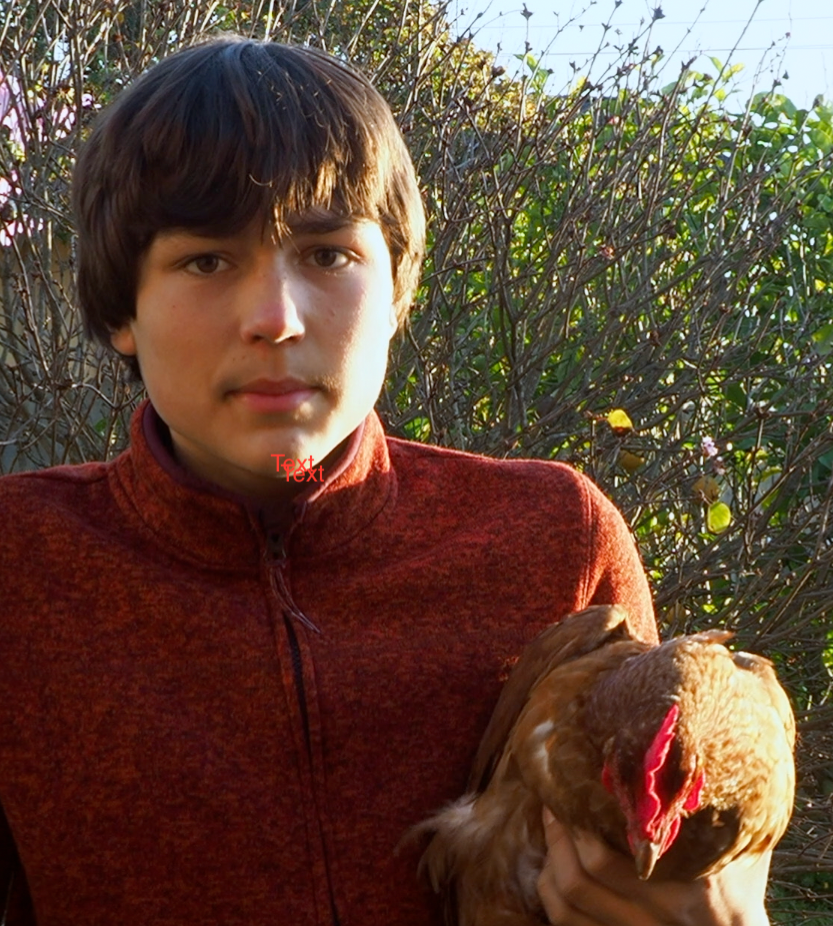
Naomi’s Mas Arai mysteries feature a Los Angeles gardener and Hiroshima survivor who solves crimes and have been published in Japanese, Korean and French. The seventh and final Mas Arai mystery is Hiroshima Boy, which was nominated for an Edgar Award for Best Paperback Original. Her first historical mystery is Clark and Division, which follows a Japanese American family’s move to Chicago in 1944 after being released from a California wartime detention center. Her second Leilani Santiago Hawai‘i mystery, An Eternal Lei, is scheduled to be released in 2022. A former journalist with The Rafu Shimpo newspaper, Naomi has also written numerous non-fiction history books and curated exhibitions.

What are the tools/tips/techniques you use to make your historical fiction as authentic—or grounded in the ‘real’—as possible?

Historical fiction and mysteries both require the writer to select the best and most effective concrete  details. You don't want to carpet your novel with too many time period specifics, especially those which are overused. Invaluable is that one piece of research that can clearly transport the reader to a different world. 

The mystery genre has captivated readers from the 19th Century to the present day. Why are we so hooked on whodunits, and what are the key ingredients to crafting a compelling one?

When a dead body enters a story, we understand that we need to pay attention and that we can no longer be in denial about the unpleasantness in our lives. The truth teller, our sleuth, strips away deception. In what ways are the abilities of our protagonist compromised or weak? What needs to be learned? The selection of clues and the crime should reflect the theme of the story.

What are your writing’s biggest influences or inspirations?

I've probably been influenced the most from my years spent as a journalist for a small ethnic newspaper in downtown Los Angeles, next to Skid Row. That experience was life changing. The gathering of stories was active, requiring me to travel to places I've never been before. As a result, I'm drawn to movement in the stories I write.

Do you ever get writer’s block? If so, how do you overcome this?

I never had problems sitting down and writing -- until the pandemic. Doing sprints with a friend over Twitter DMs saved me. I even got serious about Nanowrimo; I didn't pressure myself to make the total word count of 50,000 words in one month, but the program certainly helped me dive into and begin my new novel after engaging in some heavy-duty research.

What are you hoping participants of your MCWC workshop will get out of the time they spend with you?

Why are they writing a mystery in the first place? The genre must serve a purpose. If they gain insight of what that can be, character development and plot will fall into place.

Find out more: 

Pablo Cartaya to teach Middle Grade/Young Adult Workshop at MCWC 2022!

Image credit: Zoe Milenkovic

We’re proud to announce that award-winning author Pablo Cartaya will teach the Middle Grade/Young Adult Workshop at our 2022 Conference! Cartaya is the author of the critically acclaimed middle-grade novels The Epic Fail of Arturo Zamora (a 2018 Pura Belpre Honor Book) and Marcus Vega Doesn’t Speak Spanish (currently in development as a feature film adaptation). His most recent novel, Each Tiny Spark, was honored with the 2020 Schneider Family Book Award for its portrayal of the disability experience and published by the Kokila Penguin Random House Imprint, which focuses on publishing diverse books for children and young adults. We’re excited to welcome Pablo to MCWC and look forward to learning from him in 2022.
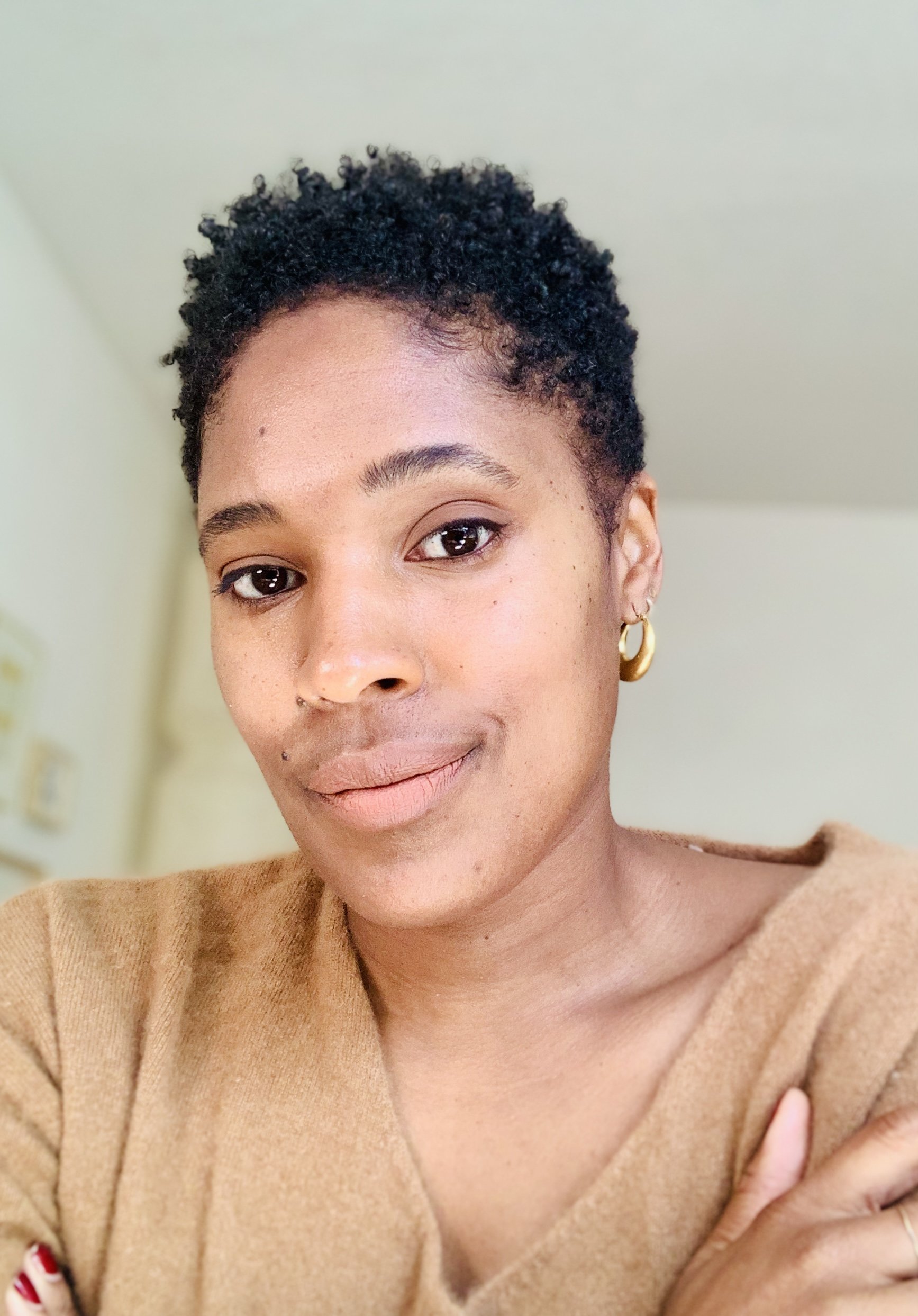
Faith Adiele to teach Memoir Workshop at MCWC 2022!
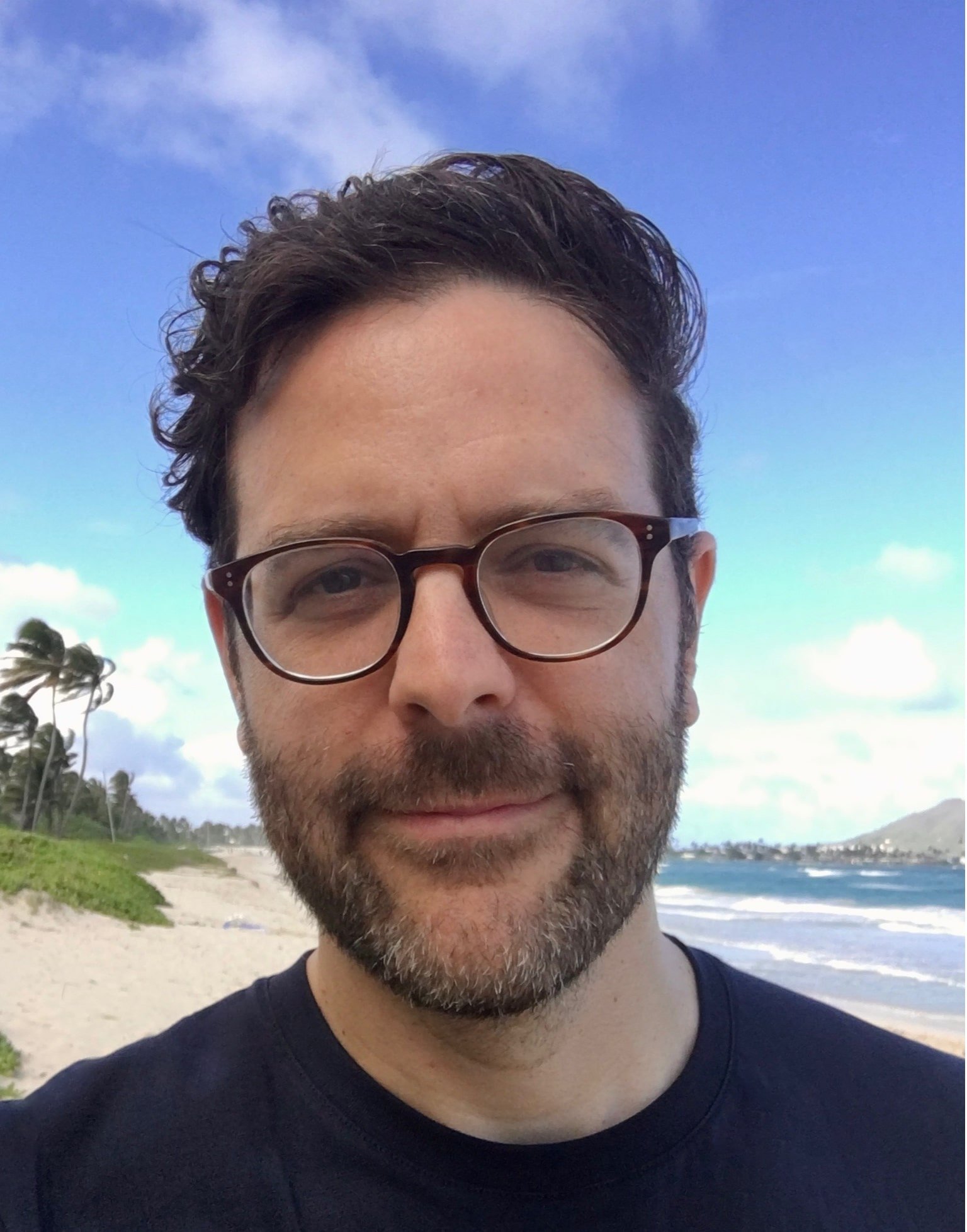
We are thrilled to announce that distinguished writer and teacher Faith Adiele is joining the faculty of the 2022 Mendocino Coast Writers’ Conference, where she will teach the memoir workshop. Adiele is the author of the memoir Meeting Faith, which follows her journey from Harvard to becoming Thailand’s first ordained Black female buddhist nun, and founded the nation’s first workshop for travel writers of color at the Bay Area organization VONA/Voices. Learn more about her at her website, and watch this space for an interview with Faith Adiele, coming soon!

Edgar Award-winning author Naomi Hirahara will teach our first-ever Mystery Workshop

Announcing our first-ever mystery workshop for MCWC 2022!
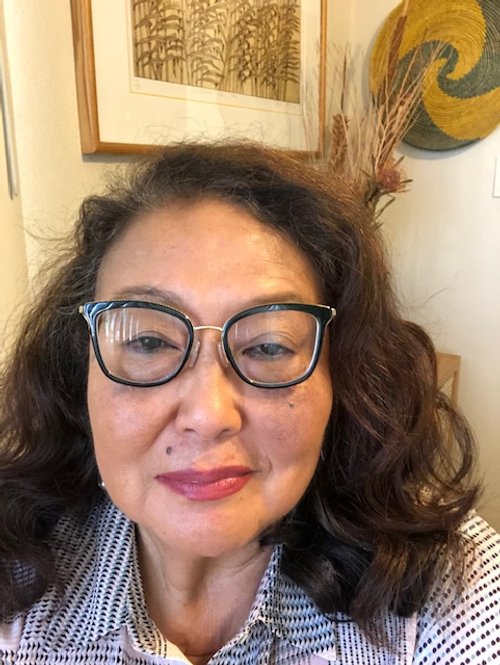
Photo credit: Mayumi Hirahara

We are delighted to welcome Edgar Award-winning author Naomi Hirahara to the 2022 Mendocino Coast Writers’ Conference as faculty to teach our first-ever Mystery Workshop. Learn more about Naomi at her website and by listening to her NPR interview, and watch this space for an interview with her about her plans for her MCWC workshop, coming soon!
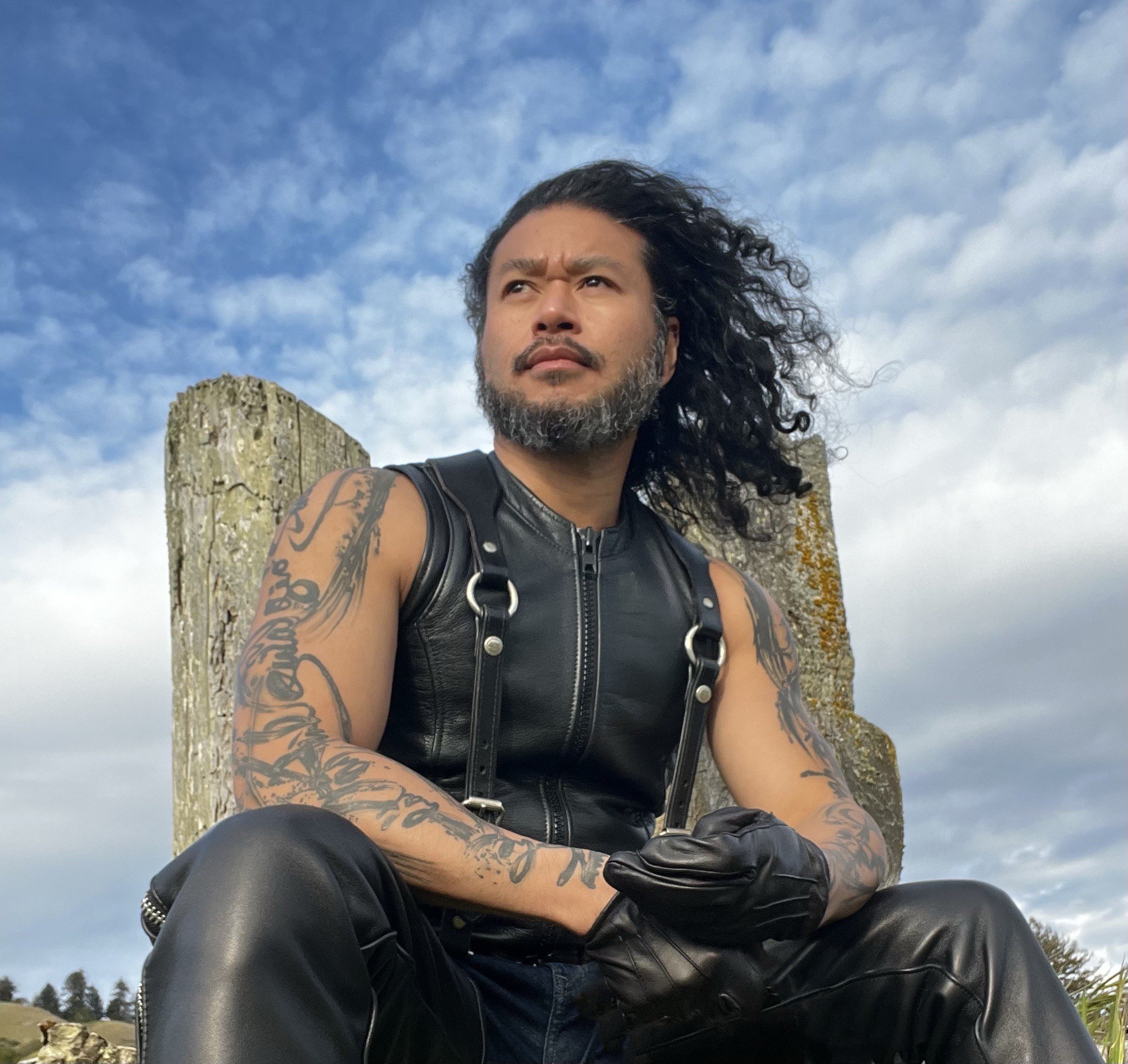
What to read over the Thanksgiving weekend

Our board and staff share their favourites

Photo by 2Photo Pots on Unsplash

While Thanksgiving is traditionally a time when families big and small get together, the holiday weekend is also an opportunity to catch up on reading. Diving head first into a great book offers you an escape when you need it most—respite from an overbearing in-law, or your uncle’s politically incorrect “jokes”. Once the plates are stacked in the dishwasher, a few hours curled up reading will aid the digestion of too much turkey too!

If you can’t decide on what to read, fear not. We’ve asked the MCWC’s board and staff for a few suggestions of books they’ve loved:

Board member Georgina Marie says: “As a poet, I spend much of my reading time diving into collections of contemporary poetry and the occasional classic. However, over the past few years I have found a new love for memoir and creative non-fiction. Here are two of my top recommendations: 

  • Tolstoy and the Purple Chair: My Year of Magical Reading by Nina Sankovitch: In 2018, my sister passed away and I thought I’d never read another book or write another poem. Both made me sick to my stomach when I tried. Then I found myself in a bookstore in San Diego and this book caught my eye. When I read the back cover, it was almost as if my sister had picked this out for me. It held me in my grief and motivated me to embrace words again.

  • I Hate to Leave This Beautiful Place by Howard Norman: My second recommendation was a toss-up between The Year of Magical Thinking by Joan Didion and this book by Howard Norman. Both, again, found their way to me in a time of grief. I met Howard Norman in 2019 at a writers’ conference. He was down-to-earth, autographed my copy of this book, and complimented a bird poem I read at an open mic. After reading this book, I can see why the bird poem stood out to him, among the many birds of Point Reyes he wrote about in this memoir of life, exploration, and unexpected events.”

Board member Anna Levy writes: “It's hard to recommend books for others—it feels like such a risk—but one that has really stuck with me is How We Fight for Our Lives by Saeed Jones. It's an intense book—about racism, sexuality, identity development, trauma, and so much more—that really impacted me; I think about it often. If you're in the mood to dive deep this holiday, this might be the one for you.”

Board Vice-President Laura Welter says: “For you fans of biographies, I highly recommend The Woman Who Smashed Codes: A True Story of Love, Spies, and the Unlikely Heroine Who Outwitted America's Enemies by Jason Fagone. Elizebeth Friedman was a brilliant woman, but due to the secrecy surrounding her work during both World Wars, her stunning accomplishments weren't widely recognized during her lifetime.”

Board President Kara Vernor shares: “For those in strained, blended families, I would recommend Thomas Savage’s The Power of the Dog. It's a brutal portrait of family dynamics in 1920s Montana that is so harsh, it's bound to make you feel better about your own struggles with family. Now is a great time to read it, both with Thanksgiving approaching and with the movie’s impending release. Directed by Jane Campion (my favorite director), the movie adaptation will be released on Netflix on December 1.”

Executive Director Lisa Locascio Nighthawk says: “I'd like to recommend The Round House by Louise Erdrich, White Magic by Elissa Washuta, and Heart Berries by Therese Marie Mailhot. Thanksgiving is an important time of year to read Native writers, listen to their stories, and challenge mainstream narratives about American history.”

Find out more about the MCWC’s board and staff on our website.
Got Thanksgiving reading recs of your own? Share them with us on Twitter.

"Wonderful": Our scholarship winners on what MCWC 2021 has meant to them

MCWC 2021, our second all-online conference, was a smashing success! Although we are all eager to be back in person together, the 32nd annual Mendocino Coast Writers’ Conference was a lively and fun three days of workshops, seminars, open mics, and readings that carried on great MCWC traditions and brought many new writers and friends into our inclusive writing community. 

Thanks to the generosity of our donors, MCWC was able to fund a record 30 participants at this year’s conference, which was held online from August 5 - 7. We were delighted to be able to offer three new scholarships this year, endowed in memory of  Dana Winn and James I. Garner, and by friend of MCWC Susan Lundgren. As in 2020, the online format allowed MCWC to expand its reach, and we were happy to welcome writers from all over the USA, the United Kingdom, and Australia to the conference this year!

Ariana Benson, a poet from the American South who was awarded the Susan Lundgren Scholarship, says: “I was particularly excited to work with Saretta Morgan, because she is a Black ecopoet whose work I admire deeply. I was also encouraged by the breadth of scholarship opportunities offered. I hoped to workshop a few poems, and to draft some that I could use for my manuscript-in-progress.”

She describes her conference experience as “wonderful.”

“Saretta is just as skilled a workshop facilitator as she is a poet,” Ariana says. “She created a safe space for everyone to share and learn from each other. I also found the lecture and panel discussions quite helpful, especially the ones that provided practical publishing advice. Overall, I thought the conference was very well done.This experience meant a lot to me as a writer who has only been deeply invested in and submitting poems/attending conferences for about a year. I felt comfortable working with and welcomed by the more experienced poets in my class. I would certainly recommend MCWC to other emerging writers.”

Saretta Morgan giving a reading.

Saretta Morgan giving a reading.

Jack Foraker, a writer based in Los Angeles who won a Albertina Tholakele Dube Scholarship for Young Writers, says: “I had never shown anyone my novel before. The project was a private world I got to explore, and I was thrilled at that privacy initially, but because it was so private I started to feel isolated and a little stir-crazy about the whole thing. I went into MCWC 2021 really looking forward to finally getting eyes on the novel.” 

“This conference not only gave me insight into where to revise my novel and a treasure trove of notes from the conference's speakers, but also wonderful connections to other writers in California and across the world,” Jack said. “It made me feel like part of a larger community of writers, which I didn't even know was something that I was missing. I genuinely loved MCWC and have already recommended it to other writers. Lillian Li deserves a special shout-out for being such an amazing workshop leader (I'm still thinking about her insights into novel set pieces). Also, Torrey Peters' talk made me think of audience in an entirely new (and soul-nourishing) framework.”

Lillian Li with her novel workshop.

Lillian Li with her novel workshop.

Gowri Koneswaran, a writer based in Washington, DC who received the Nella Larsen Scholarship, says: “I absolutely devoured my time during the conference and could not believe how so many hours ‘alone’ at my computer felt so connective, generative, and educational. During our workshops, I learned so much from my fellow participants as well as our instructor.”

She adds, “I could not be more thankful for this donor's generosity in making these funds available to me. Without them, I would not have been able to attend. And given how long we have been enduring this pandemic, the ability to connect with writers and learn from afar was absolutely invaluable.”

Robin Michel, a writer based in San Francisco, CA who was awarded the Anne G. Locascio Scholarship says, “I have found MCWC to be such a warm and generous community. It's exciting to work with such a diverse group of writers. Working on a manuscript that examines  intergenerational trauma, the impacts of disability, mental illness, and poverty, and an oppressive religious environment, often becomes a dance of courage and cowardice. At MCWC, writers are encouraged to speak their truth and go deeper in understanding what their experiences mean. I was unfamiliar with Krys Malcolm Belc prior to the conference, and found him to be such an outstanding and thoughtful instructor. He is very gifted, challenging one to do their very best, and holding space for writers to be vulnerable.”

She adds: “Receiving the scholarship provided validation and support I very much needed at this time, and has helped me believe in my ability to tell this story. Helped me to be kinder to myself.I am so grateful to have received the Anne G. Locascio Scholarship, and was greatly moved when Lisa shared a bit of her mother's story with me (and I remember her grieving the loss of her mother in 2020). I am committed to telling my  own mother's story with deep compassion (even the hard parts), and to receive a scholarship given in a mother's honor becomes a double blessing.”

Designed to make our Conference accessible to writers from diverse backgrounds and to reward writing of outstanding merit, our scholarships are largely funded by generous individual donors. If you would like to fund one, please do get in touch! Want to make a general donation to the MCWC instead? Details on how to do that can be found here.